
Did You Know?
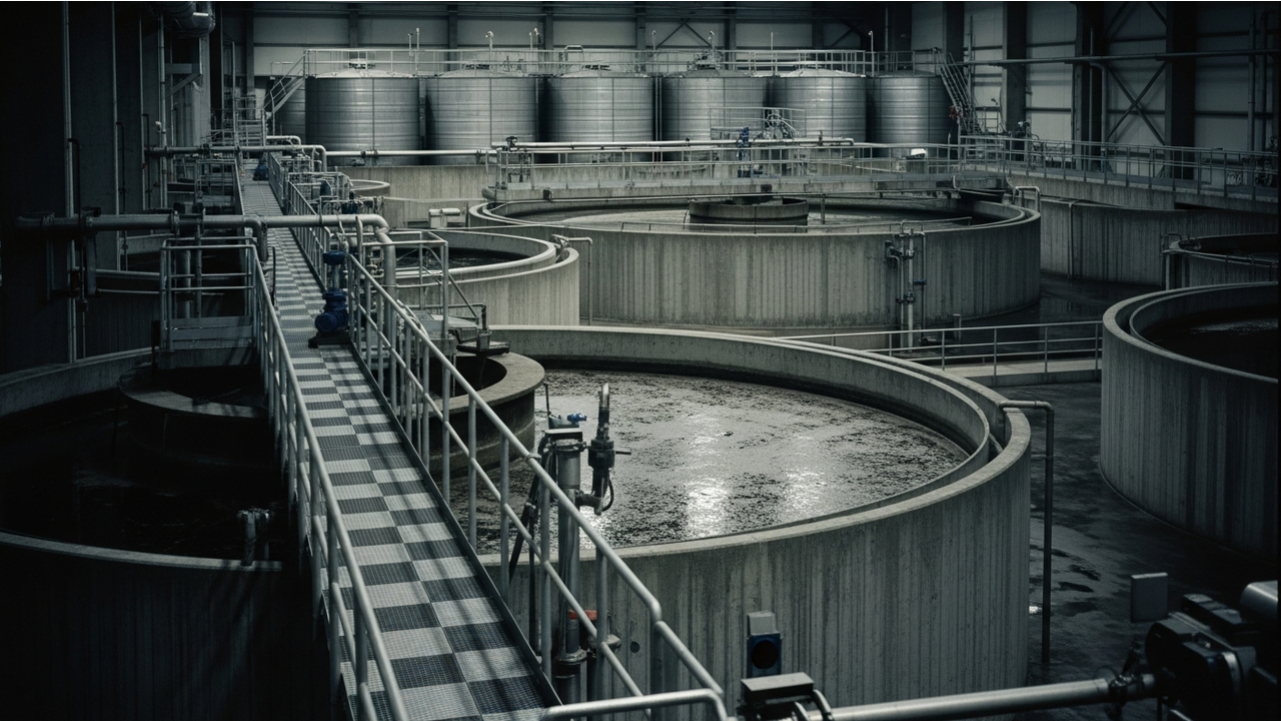
Less than 1 percent of Earth’s water is accessible freshwater that humans can drink. Wastewater specialists are among those responsible for ensuring that this limited supply remains clean and safe.
The Numbers Behind the Career
About 10,700 openings for water and wastewater treatment plan and system operators are projected each year through 2034.
The 2024 median annual salary for water and wastewater treatment plant and system operators was $58,260.
There were about 132,400 water and wastewater treatment plant and system operators in the U.S. in 2024.
Where This Career Is Headed
The water and wastewater industry is experiencing a fundamental shift. Treatment plants that were initially built solely to purify water and release it are now being transformed into resource recovery centers that can generate renewable energy, extract valuable nutrients, and recycle water for reuse. Meanwhile, stricter environmental regulations, aging infrastructure needing hundreds of billions of dollars in upgrades, and the adoption of digital monitoring and automation are reshaping the profession. The professionals entering this field over the next decade will work with technologies and responsibilities that differ significantly from those of the previous generation.
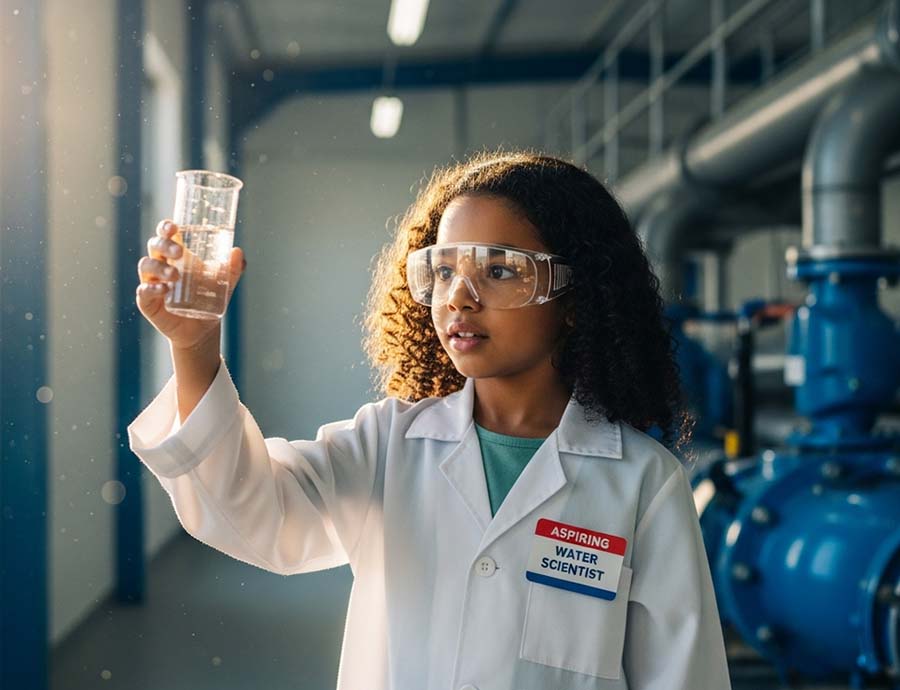
Water reuse and advanced purification: As water scarcity worsens in regions across the country, demand is rising for specialists trained in advanced treatment technologies that can turn wastewater into drinking water. Facilities like Orange County’s Groundwater Replenishment System are leading the way, and similar projects are growing nationwide, creating new roles for operators skilled in membrane filtration, reverse osmosis, and advanced oxidation.
Resource recovery and energy production: Modern treatment plants are increasingly capturing biogas from the treatment process to generate electricity, extracting phosphorus and nitrogen for use as fertilizer, and producing reclaimed water for irrigation and industrial purposes. Specialists who understand these recovery systems will be well-positioned for roles that combine traditional operations with sustainability and circular-economy principles.
Digital operations and smart water systems: Sensors, automated controls, and data analytics platforms are transforming how treatment plants are monitored and managed. Specialists who combine traditional treatment knowledge with the ability to interpret real-time data, manage SCADA systems, and work with predictive maintenance tools will move into higher-paying, technology-focused roles.
Education & Certification
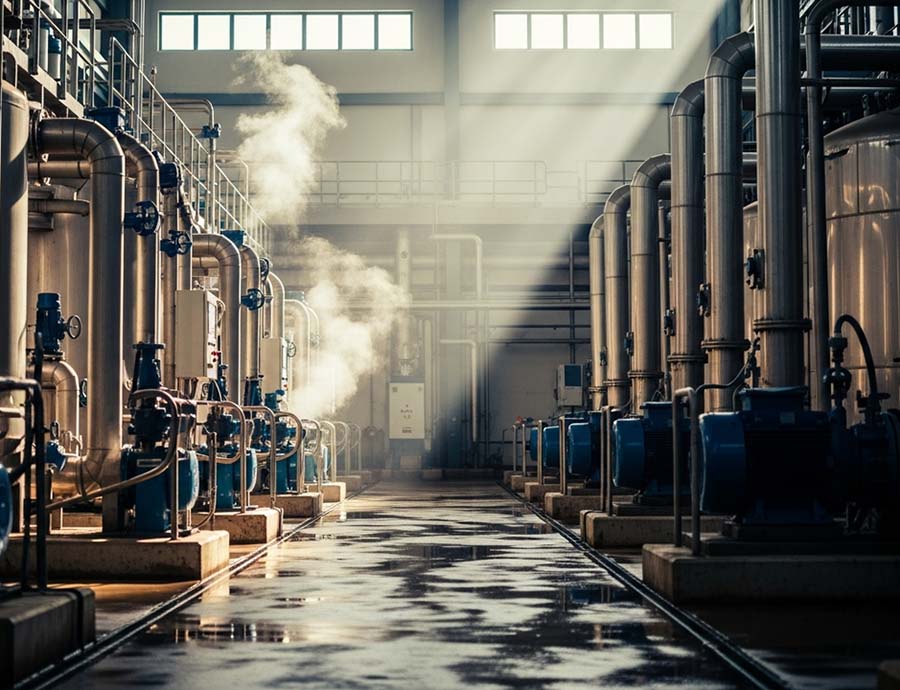
Water and wastewater treatment plant operators typically need a high school diploma or equivalent to enter the field. Most begin as trainees or entry-level operators and learn on the job under the supervision of experienced staff. Some employers prefer candidates who have completed coursework or an associate degree in water treatment technology, environmental science, or a related field. Community colleges across the country offer programs specifically designed to prepare students for this career.
Certification is required in all states and is the primary measure of professional qualification. Operators earn licenses by passing exams that test their knowledge of treatment processes, regulations, safety, and equipment. Most states use a tiered certification system, typically ranging from Level 1 (entry-level) to Level 4 (advanced), with higher levels required for operating larger or more complex facilities. Continuing education is required to maintain certification. Some operators also obtain specialized certifications in areas such as laboratory analysis, collections systems, or industrial pretreatment.
To Prepare...
Take courses in chemistry, biology, environmental science, and math to build the scientific foundation the profession requires. Understanding how chemical reactions work, how biological organisms break down waste, and how to interpret data from lab results gives you a direct advantage in operator training and certification exams.
Look into community college programs in water treatment technology, environmental technology, or wastewater management. Many of these programs are specifically designed to prepare students for state certification exams and include hands-on lab and field components.
Take math courses through at least algebra and geometry, which are essential for calculating flow rates, chemical dosages, and system capacities in water treatment operations. Coursework in computer applications or data management is also valuable, since modern treatment facilities rely on digital monitoring systems and computerized controls to track water quality and system performance.
Spotlight: Explore the Life of a Wastewater Specialist

The Clean Water Act of 1972
Learn More
Water Reuse and Resource Recovery
Learn More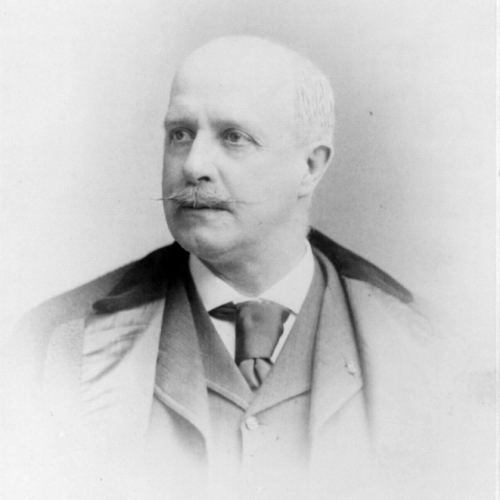
George E. Waring Jr.
Learn MoreExplore more resources for a future Wastewater Specialist

The Big Thirst: The Secret Life and Turbulent Future of Water
Fishman, Charles
Why We Picked It
Career Connection
Wastewater specialists who work in water reuse and resource recovery are helping build the infrastructure needed to address exactly the scarcity crisis this book describes, and understanding the scale of the challenge gives aspiring water professionals the most compelling case for why their work matters.

You Wouldn't Want to Live Without Clean Water! (You Wouldn't Want to Live Without…)
Canavan, Roger
Why We Picked It
Career Connection
Wastewater specialists protect public health by treating the water communities depend on, and this book's historical tour of what life without clean water actually looked like makes the importance of water treatment engineering vivid and real for young readers.

4M Clean Water Science - Climate Change, Global Warming, Lab - STEM Toys Educational Gift for Kids & Teens, Girls & Boys
Why We Picked It
Career Connection
Wastewater specialists design and operate the filtration, treatment, and purification systems that this kit demonstrates in miniature, and giving young learners hands-on experience with the science of water purification builds genuine understanding of the engineering work behind every glass of clean water.