Photo: Frederick Gutekunst, Public domain, via Wikimedia Commons
Who He Was
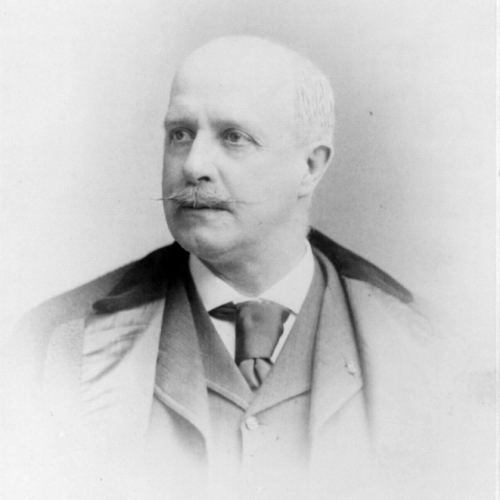
George E. Waring Jr. was born in Pound Ridge, New York, on July 4, 1833. Before the Civil War, he worked as the drainage engineer for New York City’s new Central Park. He buried ceramic pipes that drained the park’s soggy, low-lying ground and carried the water to its streams and ponds. During the war, he commanded a cavalry regiment as a colonel. In 1878, a yellow fever epidemic killed thousands of people in Memphis, Tennessee, and the National Board of Health sent Waring to help the city. He designed a sewer system that kept household sewage in small pipes separate from rainwater and flushed those pipes automatically on a regular schedule. It was the first time a design like this had been used on a large scale in the United States. Waring later planned sewers for more than forty towns and cities. In 1895, he took charge of cleaning New York City’s streets. He dressed his workers in all-white uniforms, earning them the nickname “White Wings,” and had households sort their trash into garbage, ashes, and rubbish. In 1898, President William McKinley sent him to Cuba to study sanitation in Havana. He caught yellow fever there and died soon after returning home to New York.
Why He Matters
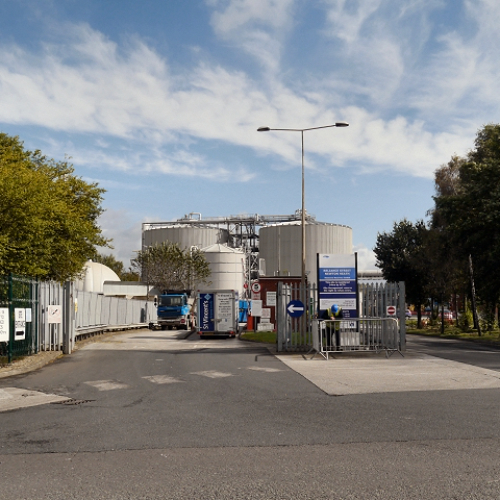
Like many experts of his time, Waring believed that disease came from bad air rising off filth and standing water. That idea was wrong. In 1900, two years after his death, scientists proved that mosquitoes spread yellow fever. Even so, clearing away sewage and standing water made cities cleaner and healthier, and his biggest idea still shapes wastewater work today. About 700 communities in the United States still have combined sewers, which carry rainwater and sewage in the same pipe. During heavy rain, these pipes can overflow, sending untreated wastewater into rivers and lakes. Keeping sewage separate, contained, and on its way to a treatment plant is a major part of wastewater specialists' work. Waring chose white uniforms for his street cleaners so the public would see them as public health workers, and that is exactly what wastewater specialists are. His story shows that good engineering can protect people even when the science behind it is incomplete, and that science keeps improving as people learn more.