
Did You Know?
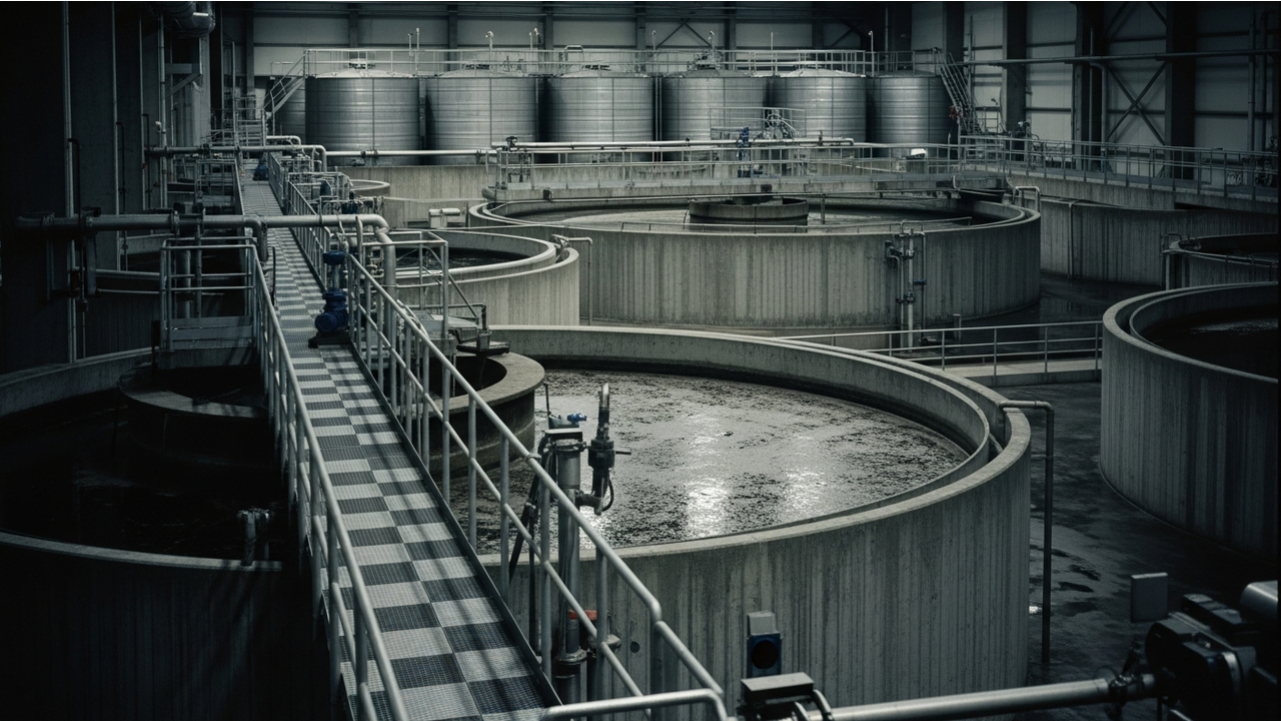
Less than 1 percent of Earth’s water is accessible freshwater that humans can drink. Wastewater specialists are among those responsible for ensuring that this limited supply remains clean and safe.
How to Get Started
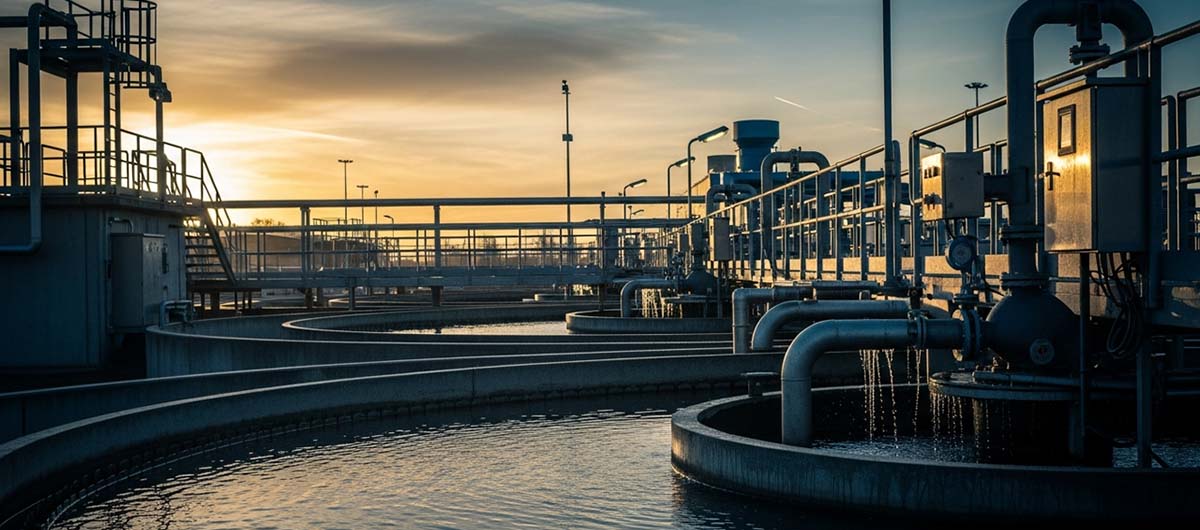
Getting started in water and wastewater treatment begins with curiosity about the systems that most people never see: the pipes under the street, the treatment plants on the edge of town, and the invisible chemistry that turns dirty water into something safe. Whether you start by learning how water cycles through the environment or by building a simple filter at home, every step builds toward a career that protects public health and the environment every single day.
Explore the Basics
Next time you turn on the faucet, flush a toilet, or take a shower, think about where that water comes from and where it goes. Ask a parent to help you trace the path: water comes from a treatment plant that cleaned it from a river, lake, or well, and after you use it, it flows through pipes to a wastewater treatment plant where it is cleaned again before being released back into the environment. Draw a diagram of this cycle and label each step. Understanding that water is not "used up" but continuously cleaned and reused is the first step to understanding what wastewater specialists do.
Try It Out
Build a simple water filter using a plastic bottle, layers of gravel, sand, and activated charcoal, and pour dirty water through it to see how each layer removes different types of contaminants. Compare the water that comes out of your filter to the water you poured in. This hands-on experiment mirrors the same basic principle that large treatment plants use on a massive scale: passing water through layers of material that trap particles and impurities.
Join the Community
Ask your school or a parent to arrange a tour of your local water or wastewater treatment plant. Many utilities offer public tours and educational programs that let you see the equipment, watch the treatment process, and ask operators about their work. Seeing the scale of a real treatment plant and talking to the people who run it are among the best ways to understand what this career involves.
How to Become a Wastewater Specialist
Explore more resources for a future Wastewater Specialist
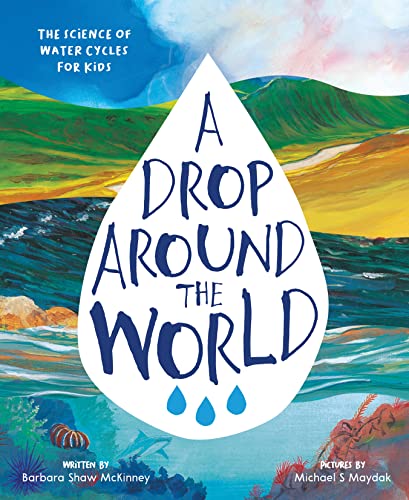
A Drop Around the World: The Science Of Water Cycles On Planet Earth For Kids (Earth Science, Science Books For Kids, Nature Books)
McKinney, Barbara Shaw
Why We Picked It
Career Connection
Wastewater specialists work within the water cycle this book traces, treating water at one stage so it can safely continue its journey through the environment and return to communities, agriculture, and ecosystems in the next.

Evidence!: How Dr. John Snow Solved the Mystery of Cholera
Hopkinson, Deborah
Why We Picked It
Career Connection
Wastewater specialists protect communities by ensuring that drinking water stays clean and disease-free, and Dr. Snow's breakthrough discovery that cholera spreads through contaminated water directly established the scientific foundation for the water treatment systems that wastewater professionals maintain today.

The Great Trouble: A Mystery of London, the Blue Death, and a Boy Called Eel
Hopkinson, Deborah
Why We Picked It
Career Connection
Wastewater specialists trace contamination sources and protect public health through the same investigative logic Dr. Snow used, and this gripping novel's dramatic reimagining of how Snow identified the Broad Street pump as the source of the cholera outbreak makes the stakes of clean water management unforgettable.