
Did You Know?
Less than 1 percent of Earth’s water is accessible freshwater that humans can drink. Wastewater specialists are among those responsible for ensuring that this limited supply remains clean and safe.
What Wastewater Specialists Really Do
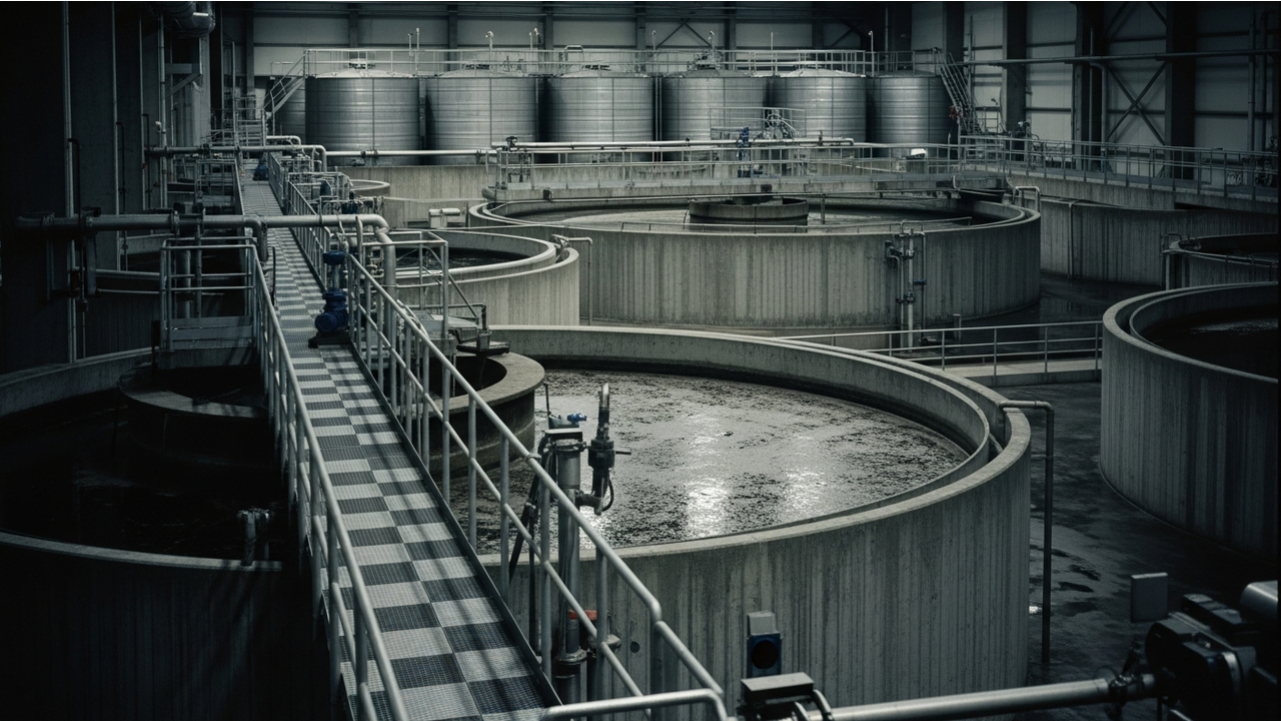
Imagine standing inside a building filled with humming machines, large tanks of slowly moving water, and panels covered in gauges and blinking lights. Outside the window, water flows in from underground pipes, arriving dark and murky. By the time it exits the other end of the plant, it is clean enough to be released safely into a river or stream. You are a water and wastewater specialist, and your job is to ensure that this transformation occurs correctly every single day.
Wastewater specialists work at treatment plants where they operate machines, pumps, and chemical systems that clean water from every sink, toilet, shower, and drain in the community. They test the water throughout the process to ensure it meets safety standards, adjust chemical levels, and keep all equipment running smoothly. They also work at water treatment plants further along in the process, making sure the water coming out of your tap at home is safe to drink. It is one of the most important jobs in any community, even though most people never think about it.
You Might Love This If...

Skills That Follow You Everywhere
Working in water and wastewater treatment builds skills that extend well beyond the treatment plant. Specialists learn to think critically about complex systems, solve problems under pressure, and communicate technical information to people who depend on their expertise. These are skills that serve people well in any career and in life.
Critical Thinking
Wastewater specialists cannot simply follow a script, because no two days bring identical conditions. They must interpret data from lab tests, sensor readings, and visual observations to understand what is actually happening in the treatment process and decide how to respond. Distinguishing between a normal fluctuation and a genuine problem, and knowing when to act versus when to monitor, requires the kind of disciplined analytical thinking that is valued in science, engineering, medicine, and management.
Problem-Solving
Treatment plants are dynamic systems in which conditions change constantly in response to weather, flow volume, and the composition of incoming water. When a process goes off spec, a pump fails, or an unusual contaminant appears in lab results, specialists must diagnose the problem, evaluate their options, and implement a fix, often under time pressure because the water never stops flowing. That ability to work through unfamiliar problems methodically and under real constraints is one of the most transferable skills any career can build.
Communication
Wastewater specialists regularly translate technical information for audiences that include regulators, city officials, and members of the public. A specialist explaining why a discharge permit requires a particular nutrient limit, or helping a community understand why a plant upgrade is necessary, must communicate complex science in clear, accessible language. That skill, making the complicated understandable and the invisible visible, is valuable in virtually every profession.
Explore more resources for a future Wastewater Specialist

You Wouldn't Want to Live Without Clean Water! (You Wouldn't Want to Live Without…)
Canavan, Roger
Why We Picked It
Career Connection
Wastewater specialists protect public health by treating the water communities depend on, and this book's historical tour of what life without clean water actually looked like makes the importance of water treatment engineering vivid and real for young readers.

4M Clean Water Science - Climate Change, Global Warming, Lab - STEM Toys Educational Gift for Kids & Teens, Girls & Boys
Why We Picked It
Career Connection
Wastewater specialists design and operate the filtration, treatment, and purification systems that this kit demonstrates in miniature, and giving young learners hands-on experience with the science of water purification builds genuine understanding of the engineering work behind every glass of clean water.

The Ghost Map: The Story of London's Most Terrifying Epidemic--and How It Changed Science, Cities, and the Modern World
Johnson, Steven
Why We Picked It
Career Connection
Wastewater specialists are among the hidden systems professionals that this book argues cities literally cannot survive without, and the story of how Dr. Snow's map revealed that sewage-contaminated water was killing Londoners is the origin story of modern water and wastewater infrastructure.