Did You Know?
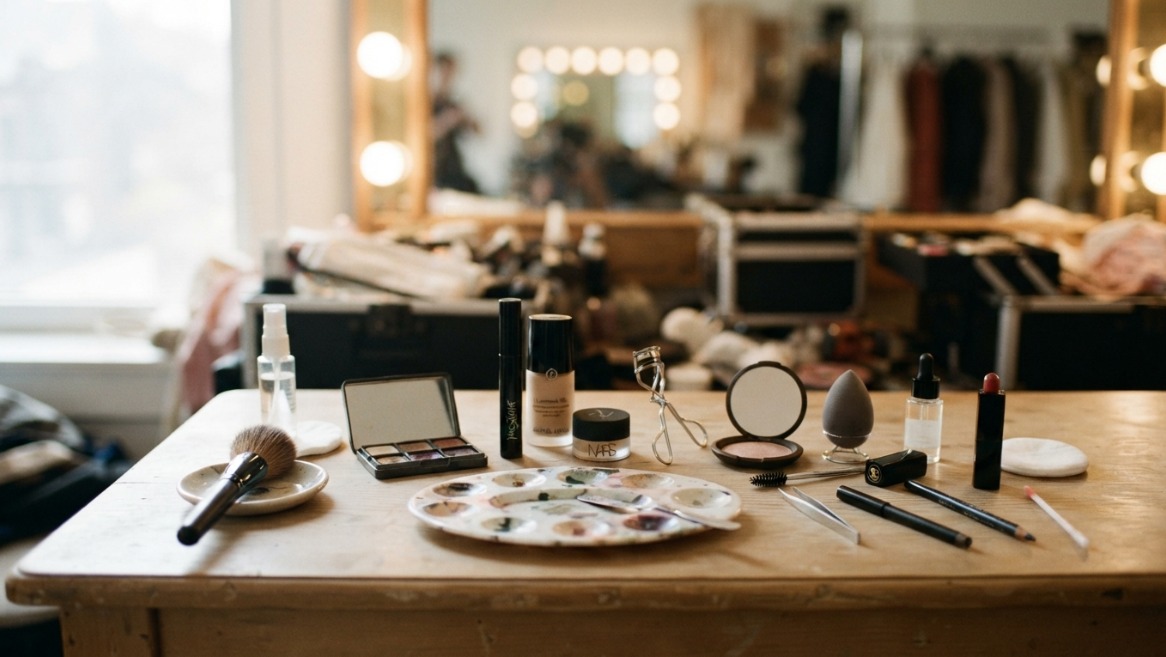
A Broadway makeup artist recreates the exact same look eight shows a week, which means painting the same face hundreds of times a year so precisely that the audience on night 300 sees exactly what the audience saw on opening night.
The Numbers Behind the Career
The median annual salary for theatrical and performance makeup artist is $97,150.
About 400 openings for makeup artists are projected each year through the next decade.
There are about 3,200 theatrical and performance makeup artist currently employed across the U.S.
Where This Career Is Headed
The makeup industry is being reshaped by new technology, the explosion of social media content creation, and a growing demand for sustainable, skin-friendly products. AI-powered tools can now preview a makeup look virtually before a single product ever touches skin, and 3D printing is beginning to speed up the design of prosthetics and special effects pieces. At the same time, the rise of beauty influencers and content creators has opened career paths that did not exist a decade ago, alongside traditional film, theater, and fashion work. Makeup artists who pair strong fundamental skills with comfort using new technology and digital platforms will have the most opportunities in the years ahead.
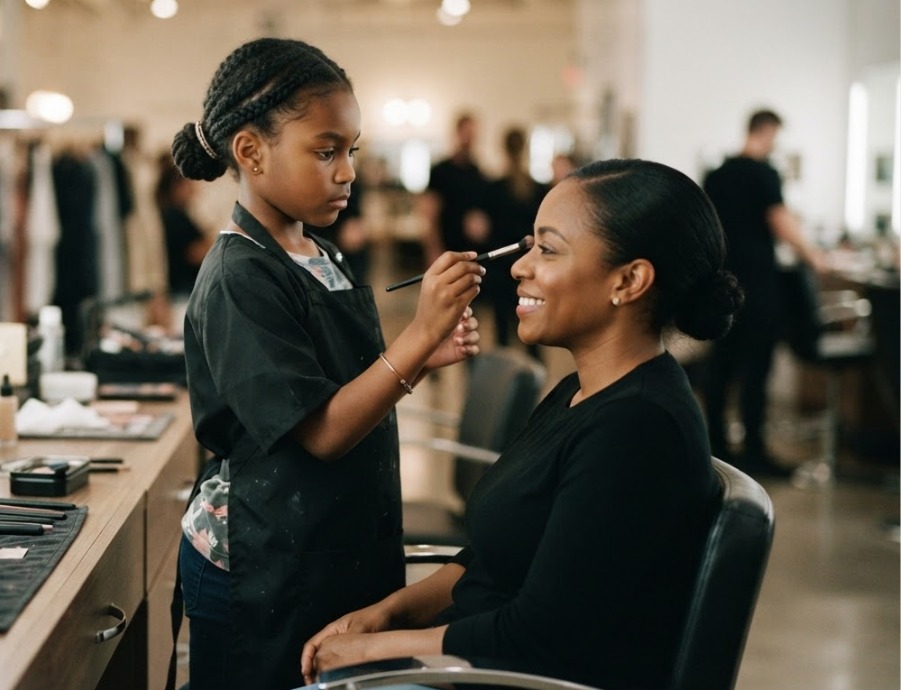
Virtual try-on technology and AI tools are creating new specialties for artists who can design and test digital makeup looks alongside traditional in-person application.
Social media and content creation have opened new career paths, allowing skilled artists to build independent careers, brands, and followings outside of traditional studio or salon work.
Growing demand for clean, sustainable, and skin-safe beauty products is creating opportunities for artists who understand ingredients and can advise clients with sensitive skin or specific needs.
Education & Certification
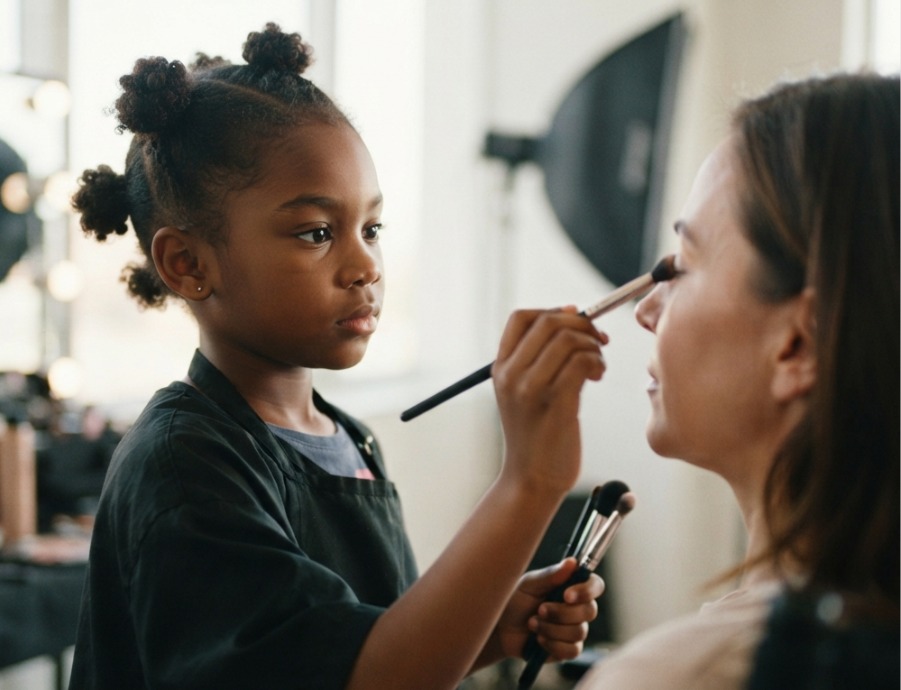
Many professional makeup artists complete a certificate or diploma program at a cosmetology or makeup school, which typically takes a few months to two years and covers skin science, sanitation, color theory, and hands-on application techniques. A four-year college degree is not required to become a makeup artist, though some artists pursue degrees in theater, fine arts, or cosmetology science to deepen their technical knowledge. Most states require makeup artists who also perform hair or skincare services to hold a cosmetology or esthetician license, which involves completing approved coursework and passing a state licensing exam. Building a strong portfolio and gaining real, hands-on experience often matters just as much as formal schooling in this hands-on creative field.
To Prepare...
Take art classes that build skills in color theory, drawing, and observation, since these fundamentals transfer directly into makeup artistry.
Practice makeup techniques on yourself or willing friends and family, and document your work with photos to begin building a portfolio early.
Research local cosmetology or makeup schools and their licensing requirements so you understand the full path before committing time and money.