
Did You Know?
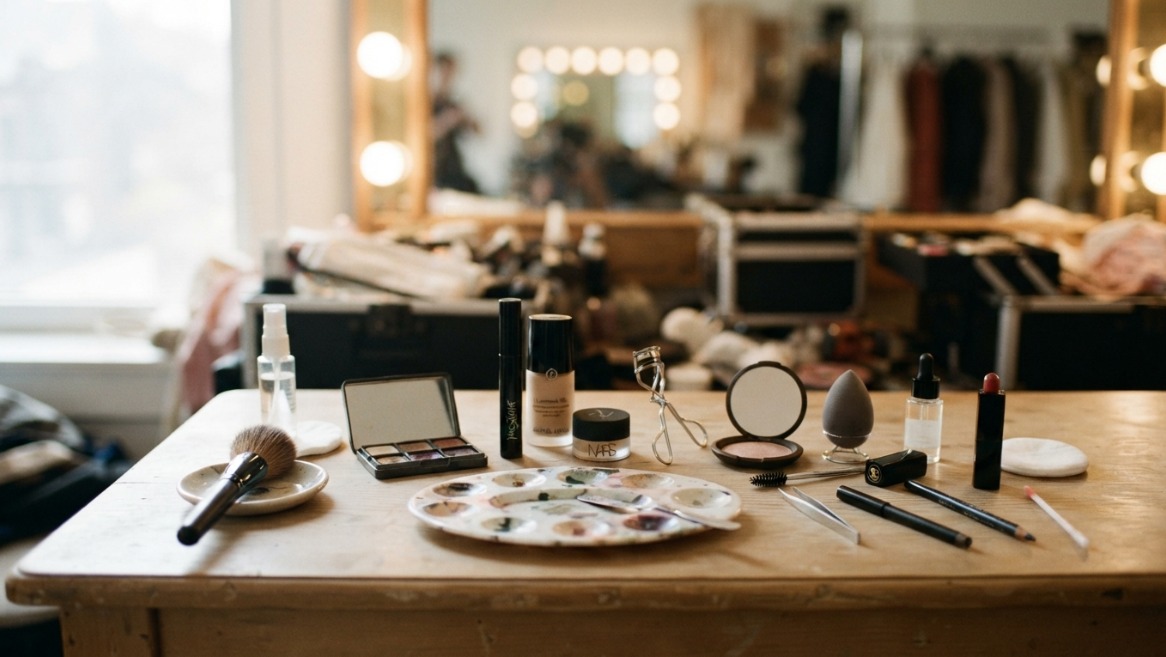
A Broadway makeup artist recreates the exact same look eight shows a week, which means painting the same face hundreds of times a year so precisely that the audience on night 300 sees exactly what the audience saw on opening night.
What Makeup Artists Really Do
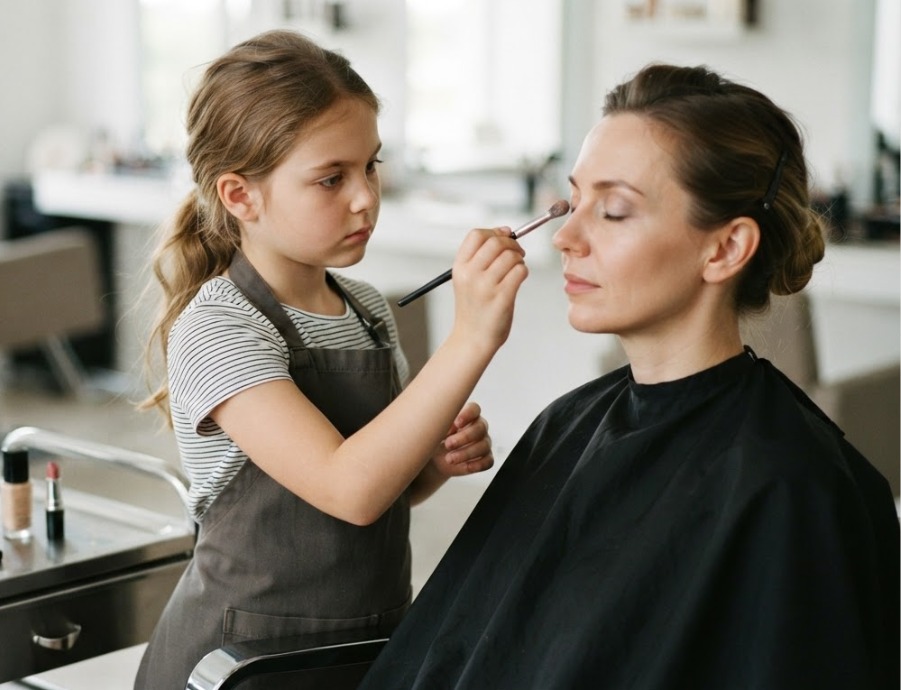
Have you ever watched a movie where someone turns into a monster, a superhero, or even an old man, and wondered how they did that? A makeup artist is the person who uses brushes, sponges, colors, and special tools to change how a face or body looks. They can make someone look like they have a scraped knee, a sparkly fairy face, or even pointy alien ears. Makeup artists work on movie sets, in theaters, at fashion shows, and even for your favorite online creators.
Becoming a makeup artist takes a lot of practice, patience, and a steady hand. They study how light and shadow work on a face, just like an artist studying how to draw. If you love mixing colors, drawing on paper, or transforming yourself into different characters for Halloween, you might already be thinking like a makeup artist.
You Might Love This If...

Skills That Follow You Everywhere
Makeup artistry builds skills that reach far beyond knowing how to apply a great look. Makeup artists learn to listen closely to what a client or director needs, adjust quickly when plans change, and use creative thinking to solve visual problems on the spot. These skills matter in almost any career, not only behind a makeup chair.
Adaptability
Adaptability means staying flexible and adjusting when things change, and it is tested constantly in makeup artistry. A client might change their mind minutes before an event, a director might ask for a completely different look on set, or a product might not work the way it was expected to. Makeup artists who can pivot quickly, without panicking, are the ones who succeed in this fast-moving, deadline-driven field.
Creativity
Creativity is about coming up with new ideas and thinking outside the box, and it sits at the heart of everything a makeup artist does. Every face is different, every project has new goals, and the most memorable looks usually come from artists willing to try something unexpected. Makeup artists use creativity daily to solve visual storytelling problems with nothing more than color, texture, and imagination.
Communication
Communicating well means expressing yourself clearly and listening carefully to others, which is essential when a makeup artist works closely with directors, clients, or actors to understand exactly what they need. A misunderstood request can mean redoing an entire look under a tight deadline, so makeup artists learn to ask good questions and confirm details before they start. This skill helps them build trust quickly with people they have often just met.