
Did You Know?
A roasted turkey shrinks and wrinkles as it cooks, so for photos stylists often roast the bird for only 20 or 30 minutes and then paint the skin with browning sauce to get that golden color. It looks perfect, but it is still raw inside.
What Food Stylists Really Do
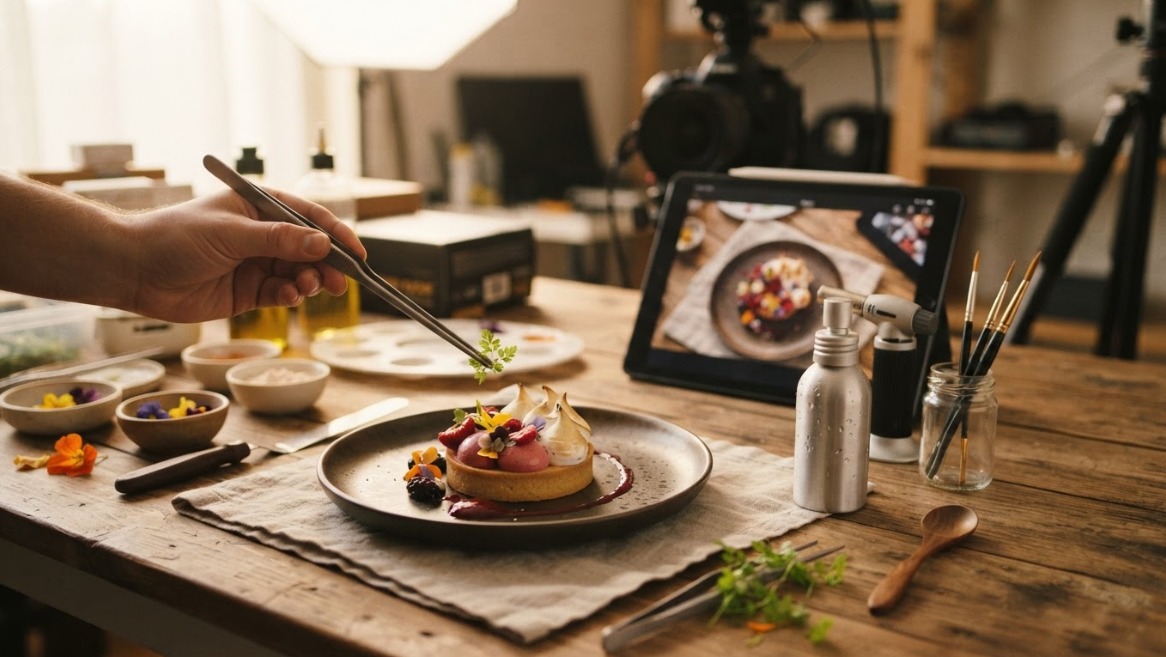
Under the bright lights of a photo studio, a stack of pancakes sits on a plate, but something feels off. Tiny pieces of cardboard are hidden between the pancakes so the stack stands perfectly straight, and the syrup was poured only seconds ago, so it sits glossy on top instead of soaking in and turning everything soggy. Tweezers hover over the plate, nudging a single blueberry a tiny bit left, then a tiny bit back right, until it sits exactly where the camera wants it. A stack of thirty identical pancakes waits nearby, cooked earlier that morning, in case this one starts to look tired under the hot lights. Nothing on this plate is an accident, and almost nothing about it is meant to actually be eaten.
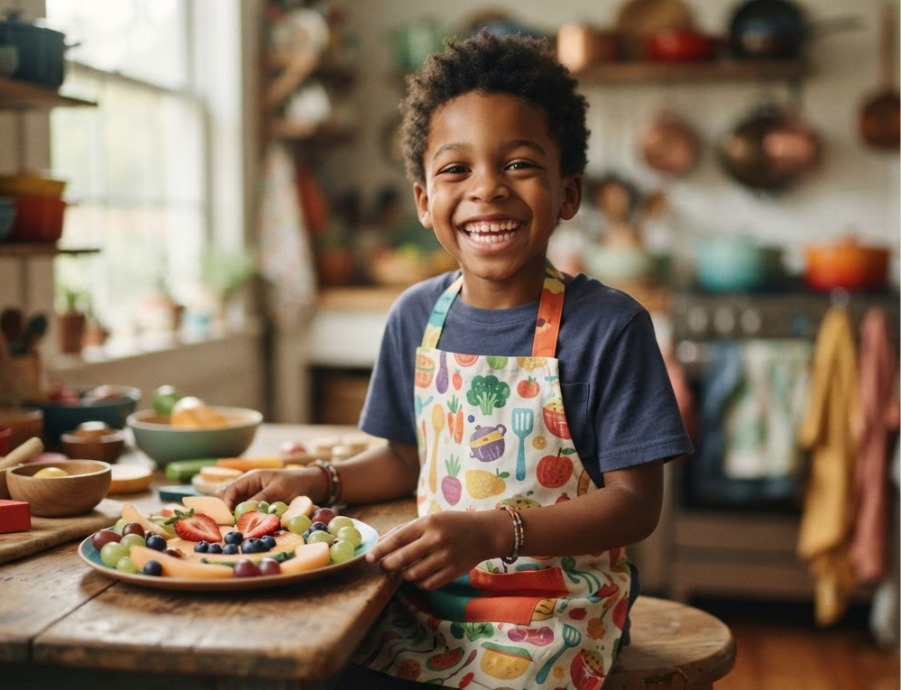
This is the work of a food stylist, someone who makes food look as delicious as possible for photos, commercials, and cookbooks. Food stylists know tricks that regular cooks do not, like using shaving cream instead of whipped cream, or pinning toppings in place so they never slide off camera. They also have to know real cooking extremely well, since knowing how a burger is supposed to look means first knowing how a burger is supposed to be made. Every dish gets built piece by piece, almost like a tiny sculpture made out of food. If you love making things look just right, notice tiny details other people miss, and think food can be a kind of art, you might already be thinking like a food stylist.
You Might Love This If...
Skills That Follow You Everywhere
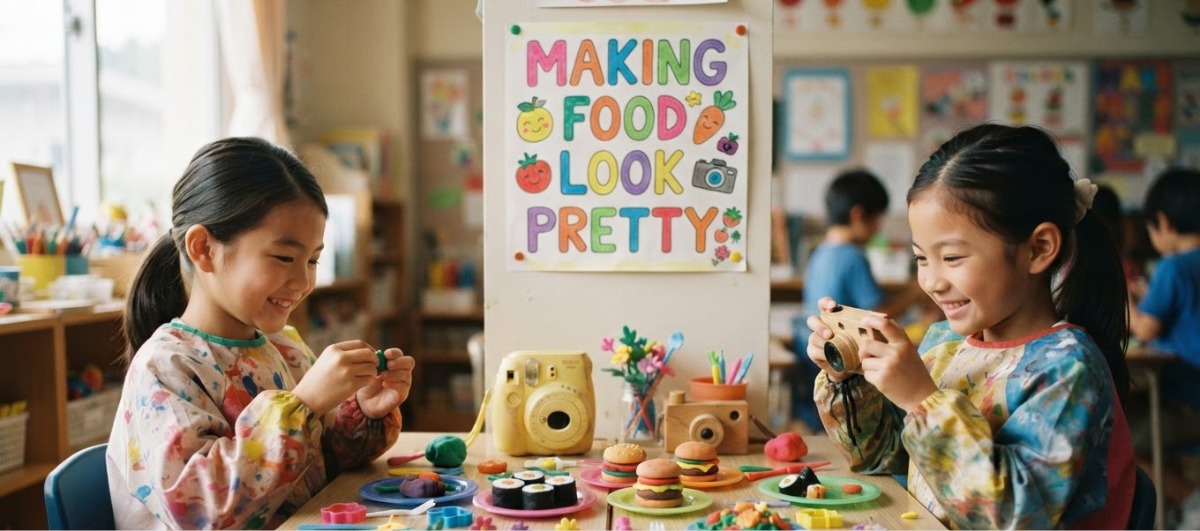
Food stylists develop habits that carry well beyond a photo shoot. They learn to keep dozens of moving pieces organized under pressure, to work quickly without letting the final result look rushed, and to invent a solution on the spot when no recipe or rulebook covers the problem in front of them. Those abilities transfer to any job where the work is visible, the deadline is real, and every solution has to be built from scratch.
Time Management
Food often has only minutes before it wilts, melts, or changes color under hot studio lights, which means a food stylist has to work quickly without letting the final result look rushed. Shoots are typically scheduled tightly, with a photographer, director, and client all waiting on the same clock, so a stylist has to prep components in advance and know exactly how long each part of a dish can hold up. Falling behind schedule does not just cost time, it can mean the dish falls apart before it is ever photographed.
Creativity
A recipe photo needs to look appetizing, but a food stylist also has to solve a visual puzzle: how do you make steam without cooking the dish, or ice that never melts, or a burger that looks freshly grilled for six straight hours? Coming up with those solutions often means reaching for materials that have nothing to do with cooking, like glue, shaving cream, or a hidden wire. The best food stylists are the ones who can look at a problem no cookbook ever covers and invent a solution on the spot.
Organization
A single shoot might involve dozens of backup ingredients, spare props, and tools laid out in a specific order, since there is no time to search for something once the camera is rolling. Food stylists have to track which version of a dish has been used, which one is a backup, and which one is drying out under the lights, all at the same time. Losing track of even one detail, like which plate was already photographed, can cost an entire afternoon of work.