
Did You Know?
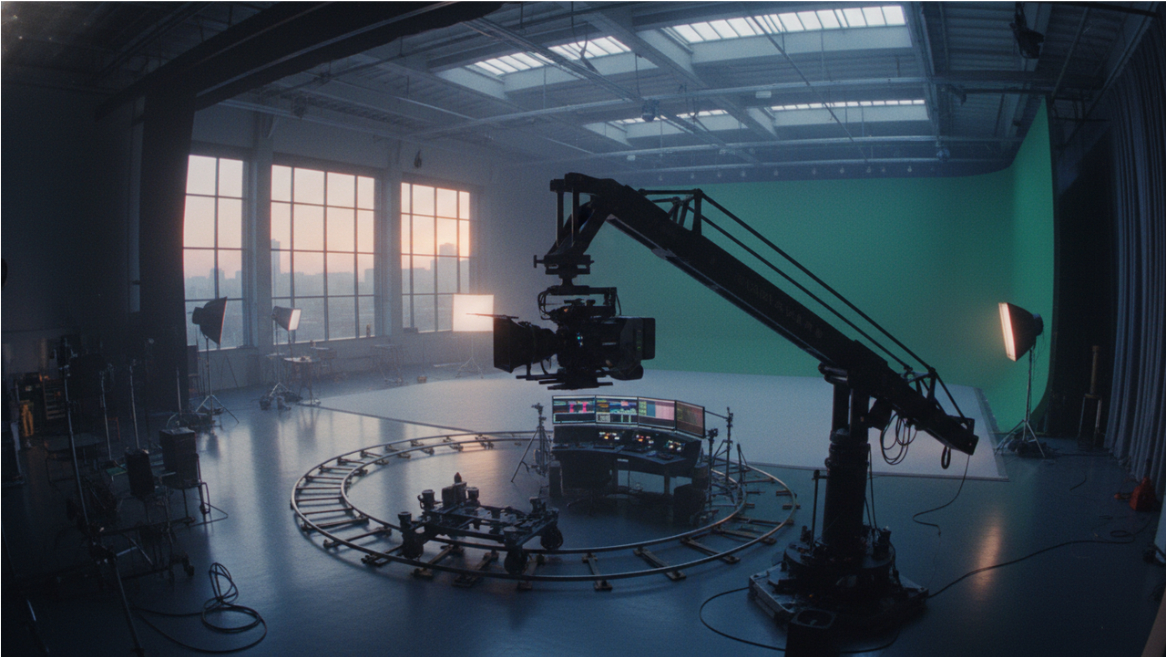
A single feature film can require a camera operator to carry 30-plus pounds of gear for up to 12 hours a day. Stabilization rigs, Steadicams, and dollies were invented partly to help them get smooth footage without wrecking their bodies.
What Camera Operators Really Do
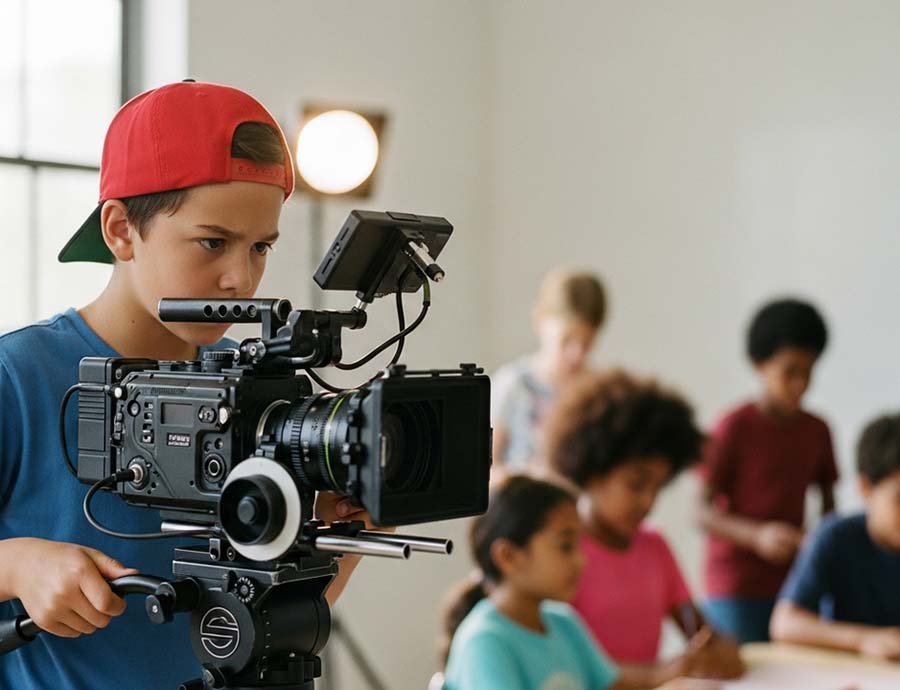
Every movie you have ever watched, every sports game you have seen on television, and every music video you have scrolled past started with someone pointing a camera at something and deciding how to capture it. That someone is a camera operator. Camera operators are the people who bring stories to life, deciding what the audience sees, how close or far away it feels, and whether a moment unfolds slowly or rushes past in a blur of action. They work on film sets, at live sporting events, in television studios, at concerts, and in the field for news broadcasts, anywhere a story needs to be told visually. Without a camera operator behind the lens, there is no movie, no broadcast, and no visual story at all.
Being a camera operator means being part artist and part athlete. You have to understand composition, light, and movement well enough to frame a beautiful shot in seconds, and you have to be physically strong and coordinated enough to carry heavy equipment for long hours without losing focus. Some days you are on a quiet studio set carefully rehearsing a single scene, and other days you are chasing a story through a crowded street or strapped into a harness on the side of a cliff. If you love films and photography, pay attention to how shots are framed when you watch television, and wanint a career that puts you at the center of how stories get told, camera operating might be worth exploring.
You Might Love This If...
Skills That Follow You Everywhere
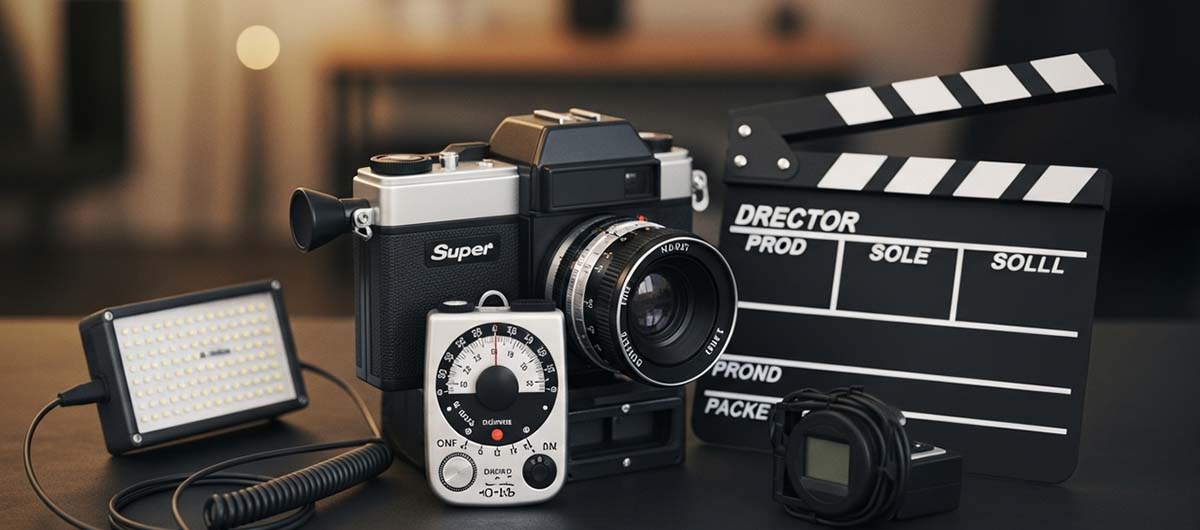
Camera operators develop skills that reach far beyond knowing how to use a camera. They learn to think visually in real time, communicate precisely with a team of creative collaborators, and subordinate their individual instincts to a shared vision without losing the craft that makes their contribution valuable. These abilities transfer into any career that involves creative collaboration, technical precision, and the ability to perform consistently when it counts.
Creativity
Camera operating is not just a technical job. Every time an operator frames a shot, they make a creative decision about what the audience will see, what will be left out of the frame, and how the camera's movement will shape the emotional experience of the moment. Creativity in this field is not about doing something unexpected for its own sake, it is about finding the image that serves the story best.
Teamwork
No camera operator works alone. They are part of a camera department that includes the director of photography, camera assistants, focus pullers, and grips, and the quality of the final image depends on every person in that chain doing their job with precision and trust. The best operators are known not just for their technical skill but for the kind of collaborator they are.
Communication
A camera operator's most important conversation is not with the director or the crew, it is with the audience watching the finished product. Every choice an operator makes, where to place the camera, how close to get, whether to move or stay still, is a form of communication that shapes how viewers feel about what they are seeing without them ever consciously noticing it. Learning to speak that visual language fluently, and to use it intentionally rather than accidentally, is the communication skill that separates a technically competent operator from a truly great one.
Explore more resources for a future Camera Operator

Canal Toys Studio Creator 360 Video Maker Kit, Green Screen and Tripod, Face and Motion Tracker, 10" Light Ring
Why We Picked It
Career Connection
Cinematographers make deliberate choices about what the audience sees in every frame, and experimenting with angle, background, and framing through this kit gives young creators their first taste of the visual decision-making at the heart of the craft.

Klutz Lego Make Your Own Movie, Multicolored
Why We Picked It
Career Connection
Cinematographers plan shots and manage lighting to translate a story into visual language, and directing LEGO stop-motion films gives kids genuine practice in that visual planning, one deliberate frame at a time.