
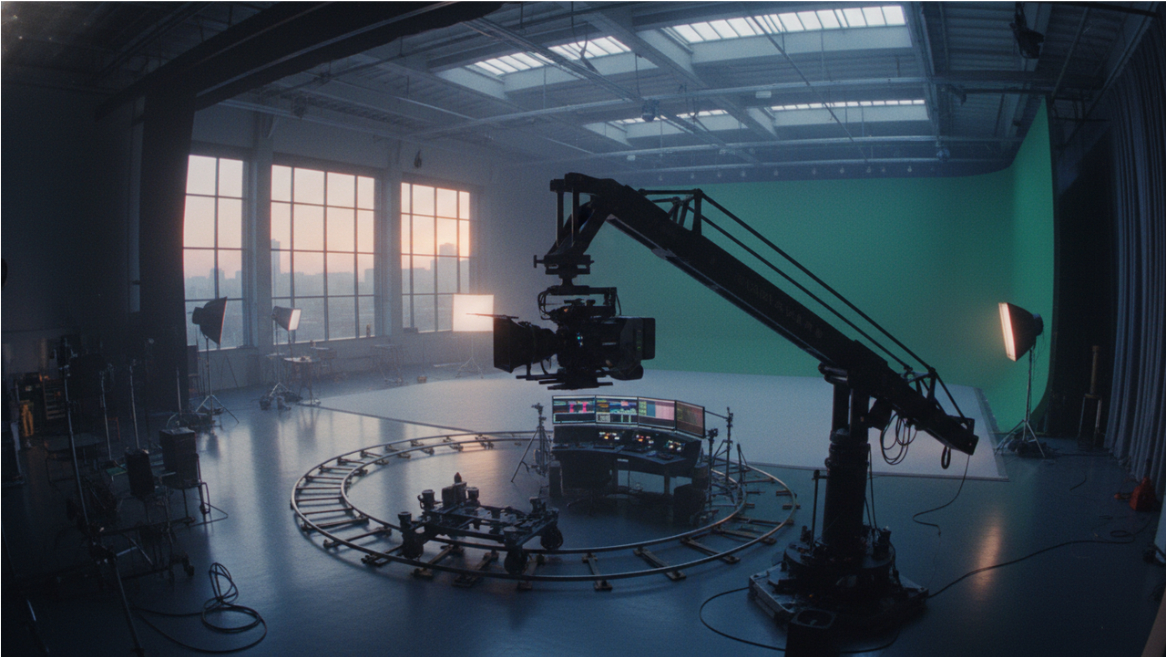
Did You Know?
A single feature film can require a camera operator to carry 30-plus pounds of gear for up to 12 hours a day. Stabilization rigs, Steadicams, and dollies were invented partly to help them get smooth footage without wrecking their bodies.

How to Get Started
Getting started in camera operating begins with training your eye before you ever touch a professional camera. The operators who go furthest in this field are the ones who spent years watching how images are made, asking why certain shots feel the way they do, and practicing the craft of seeing before they had the equipment to execute it fully. Every camera operator working today started by paying close attention to the visual world around them.
Explore the Basics
Look at five photographs, either in a book, a magazine, or online, and for each one try to figure out where the photographer was standing, how close they were to their subject, and whether they were above, below, or at the same level as what they were shooting. Think about how the picture would look different if the photographer had moved to a different position. Camera operators ask these same questions every time they set up a shot.
Try It Out
Pick a favorite scene from a movie or television show and try to recreate it using a phone, positioning yourself and any willing family members to match the framing and camera angles as closely as you can. Notice what is harder than you expected and what surprises you when you watch your version back. Recreating shots you admire is one of the oldest and most effective ways that camera operators learn their craft.
Join the Community
Find out if your local library, community center, or park district offers a filmmaking or photography workshop for kids, and sign up to attend and work alongside other young people who are curious about how images are made. Many of these programs give participants access to cameras and basic equipment in a structured setting where you can experiment and get feedback from instructors.
How to Become a Camera Operator
Explore more resources for a future Camera Operator

Klutz Lego Make Your Own Movie, Multicolored
Why We Picked It
Career Connection
Cinematographers plan shots and manage lighting to translate a story into visual language, and directing LEGO stop-motion films gives kids genuine practice in that visual planning, one deliberate frame at a time.

Canal Toys Studio Creator 360 Video Maker Kit, Green Screen and Tripod, Face and Motion Tracker, 10" Light Ring
Why We Picked It
Career Connection
Cinematographers make deliberate choices about what the audience sees in every frame, and experimenting with angle, background, and framing through this kit gives young creators their first taste of the visual decision-making at the heart of the craft.