
Did You Know?
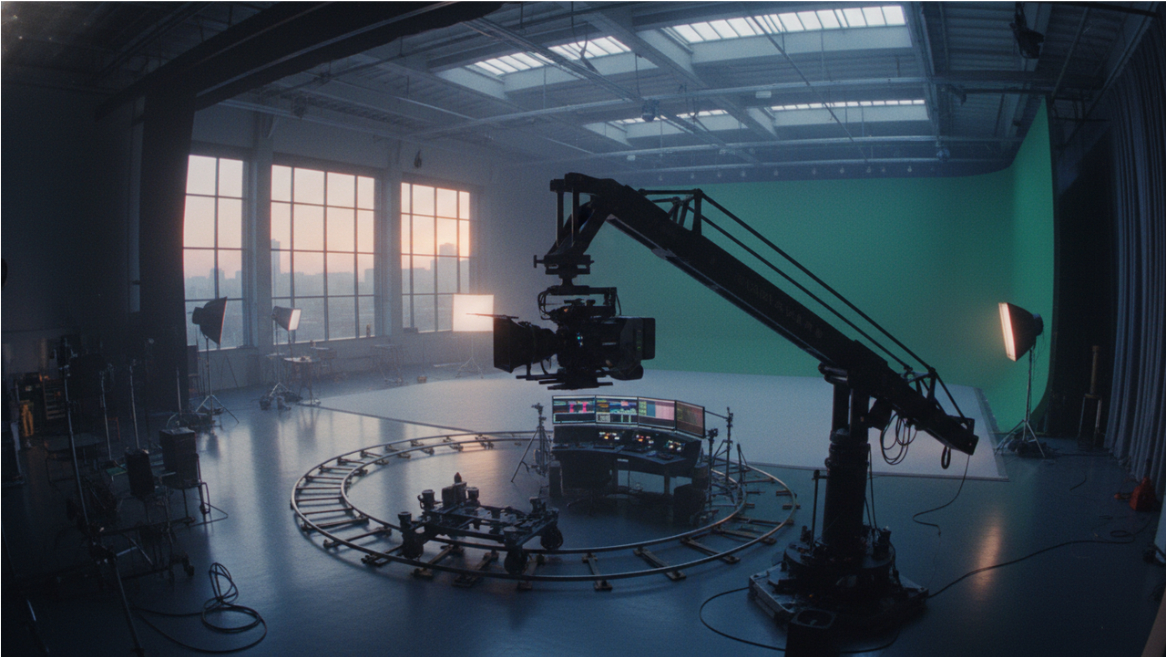
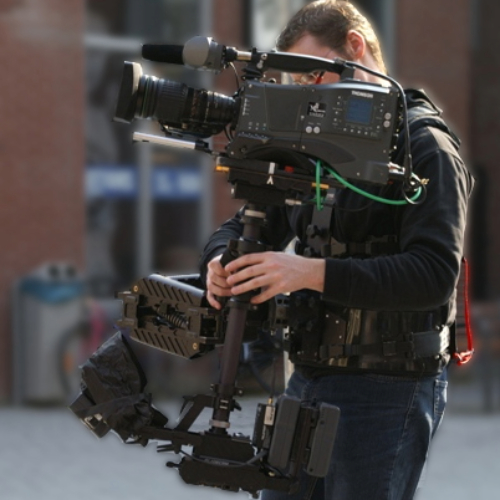
A single feature film can require a camera operator to carry 30-plus pounds of gear for up to 12 hours a day. Stabilization rigs, Steadicams, and dollies were invented partly to help them get smooth footage without wrecking their bodies.
The Numbers Behind the Career
About 6,400 openings are projected each year through 2034.
There were about 79,900 film and video editors and camera operators in the U.S. in 2024.
The 2024 median annual salary for film and video editors and camera operators in the U.S. was $68,810.
Where This Career Is Headed
The camera operator profession will be reshaped by two competing forces over the next decade. The explosion of content creation across streaming platforms, social media, and digital advertising is generating more demand for skilled visual storytellers than at any previous point in history. At the same time, robotic camera systems, automated broadcasting technology, and the consolidation of roles on smaller productions are reducing the number of dedicated camera operator positions on certain kinds of shoots. The operators who thrive will be those who develop deep specialization in high-complexity work that automated systems cannot replicate, including narrative filmmaking, live sports, documentary, and immersive formats.
The rise of immersive and extended reality content, including virtual reality experiences and interactive storytelling formats, is creating entirely new camera operating disciplines that require operators to think about capturing images in three dimensions rather than through a traditional frame.
As AI takes over more of the post-production workflow, including color grading and basic editing, productions will increasingly invest their budgets in the quality of the original capture, raising the value of operators who can deliver technically excellent footage in camera rather than relying on fixes in post.
The globalization of content production, with studios and streaming platforms commissioning work across more countries and languages than ever before, is creating new opportunities for operators who can work across cultures and adapt to production styles that differ significantly from Hollywood conventions.
Education & Certification
Most camera operators enter the field with a bachelor's degree in film production, cinematography, broadcasting, or a related field, though the industry places significant weight on demonstrated skill and a strong portfolio alongside formal credentials. Many working operators built their careers through film school programs that provide hands-on access to professional equipment and industry connections, while others came up through apprenticeships, internships, and years of entry-level work as camera assistants and production assistants. The path into the profession is rarely straight, and the operators who break through consistently are those who combine technical knowledge with an obsessive commitment to developing their visual craft.
Professional certification is less formalized in camera operating than in many other careers, but union membership plays an important role in the industry. The International Cinematographers Guild (IATSE Local 600) represents camera operators and directors of photography on major film and television productions, and membership opens doors to higher-budget work with stronger pay and working conditions. Building toward union eligibility typically requires accumulating a significant number of verified work hours on qualifying productions, which is one reason entry-level networking and credit-building are so critical early in a camera operator's career.
To Prepare...
Focus on any available art, photography, or media production coursework that develops your visual eye and gives you hands-on experience with cameras and composition before you enter a formal training program.
Pursue a bachelor's degree in film production, cinematography, or broadcasting, and treat every student production as an opportunity to build both your technical skills and your professional reputation with future collaborators.
Pursue coursework in physics or mathematics alongside your creative classes, since understanding light, optics, and the technical principles behind how cameras work gives you a foundation that purely creative training rarely provides.
Spotlight: Explore the Life of a Camera Operator

Explore more resources for a future Camera Operator

Klutz Lego Make Your Own Movie, Multicolored
Why We Picked It
Career Connection
Cinematographers plan shots and manage lighting to translate a story into visual language, and directing LEGO stop-motion films gives kids genuine practice in that visual planning, one deliberate frame at a time.

Canal Toys Studio Creator 360 Video Maker Kit, Green Screen and Tripod, Face and Motion Tracker, 10" Light Ring
Why We Picked It
Career Connection
Cinematographers make deliberate choices about what the audience sees in every frame, and experimenting with angle, background, and framing through this kit gives young creators their first taste of the visual decision-making at the heart of the craft.