

Did You Know?
Beatrix Potter, the illustrator behind Peter Rabbit, was also a serious scientist who studied mushrooms and fungi. Her detailed scientific drawings were so accurate that mycologists still reference them today.

What Illustrators Really Do
You open your favorite picture book and suddenly you are somewhere else entirely. A dragon curls around a castle tower, its scales catching the light. A tiny mouse tiptoes across a kitchen floor, and you can almost hear its feet. Every shadow, every expression, every hidden detail on the page was created by one person with a pencil, a brush, or a tablet. That person is an illustrator. Illustrators are artists who use pictures to build entire worlds, bring characters to life, and tell stories in ways that words alone never could.
Thinking like an illustrator starts with paying attention to the world around you. What does the light look like coming through a window? How does a dog's face change when it is excited versus sleepy? Illustrators notice shapes, colors, expressions, and details that other people walk right past. If you love drawing, doodling, painting, or filling up sketchbooks, and if you find yourself imagining what characters and places look like when you hear a story, you are already thinking the way illustrators think.
You Might Love This If...

Skills That Follow You Everywhere
Pursuing a career as an illustrator develops skills that reach far beyond the drawing table. Illustrators learn to communicate complex ideas visually, think creatively under real deadlines, and understand the perspectives of the audiences they create for. These abilities are valuable in any career that demands clear communication, creative thinking, and the ability to connect with people through your work.
Creativity
Illustrators face a blank page on every new project and must generate original visual ideas that serve the story, message, or concept they have been asked to bring to life. They experiment with composition, color, perspective, and style, often exploring dozens of directions before finding the one that works best. This habit of generating ideas, testing them, and pushing past the obvious first answer builds a creative mindset that is powerful in any field, from design and marketing to engineering and entrepreneurship.
Communication
Every illustration is an act of communication. An illustrator must understand what a client, author, or art director needs and then translate that vision into images that connect with a specific audience. They present sketches, explain their creative choices, and incorporate feedback while maintaining the integrity of their work. Learning to communicate clearly through both images and words, and to listen carefully to what others need, builds skills that are essential in any collaborative profession.
Empathy
Great illustration requires stepping into and visualizing what others are experiencing. Whether drawing a character's grief, a child's wonder, or a patient's anxiety in a medical brochure, illustrators must understand how other people feel and find ways to express those emotions visually so that an audience connects with what they see. Learning to observe and translate human emotion builds a deep awareness of others, strengthening relationships and collaboration in any career.
Explore more resources for a future Illustrator

Bright Star
Morales, Yuyi
Why We Picked It
Career Connection
Illustrators choose every visual element, color, composition, light, and texture, to serve the emotional truth of a story, and Morales's layers of meaning packed into each image show how illustration can say what words alone leave unsaid.
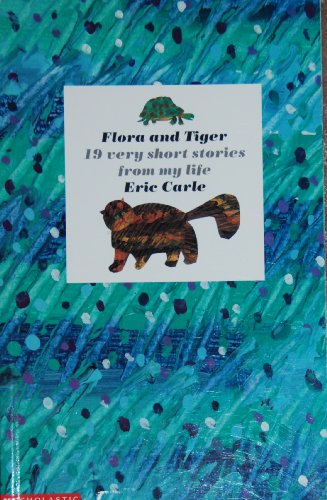
Flora and Tiger: 19 very short stories from my life
Eric Carle
Why We Picked It
Career Connection
Illustrators draw on their own experiences, observations, and emotional memories to make their work feel genuine and alive, and Carle's stories about where his images and ideas came from reveal the autobiographical roots of even the most beloved picture book art.

The Art of Eric Carle (World of Eric Carle)
Carle, Eric
Why We Picked It
Career Connection
Illustrators develop distinctive techniques and visual identities that make their work instantly recognizable, and Carle's tissue-paper collage process, documented here from raw materials to finished page, shows how a personal method becomes a signature style.