

Did You Know?
Beatrix Potter, the illustrator behind Peter Rabbit, was also a serious scientist who studied mushrooms and fungi. Her detailed scientific drawings were so accurate that mycologists still reference them today.
The Numbers Behind the Career
The 2024 median annual salary for fine artist, including illustrators, was $60,560 with the highest 10% earning more than $133,220.
About 4,400 openings for craft and fine artist, including illustrators, are projected annually over the next decade.
There were about 26,500 fine artist, including illustrators, in the U.S. in 2024.
Where This Career Is Headed
Illustration is being reshaped by advances in digital tools, the expansion of visual media, and the growing demand for original content across publishing, entertainment, advertising, and education. Digital drawing tablets, cloud-based collaboration platforms, and new software are expanding what illustrators can create and how they work with clients worldwide. At the same time, the expansion of AI image generation is raising important questions about authorship, originality, and the value of human-created art. As visual content continues to dominate how people consume information and entertainment, skilled illustrators who can bring a distinct creative voice to their work will remain in demand.

The growth of graphic novels, children's publishing, and independent comics is creating expanding markets for illustrators with strong visual storytelling skills.
Video game and entertainment studios continue to hire concept artists and illustrators to design characters, environments, and visual identities for new properties.
The rise of online platforms, print-on-demand services, and social media allows illustrators to build audiences, sell work directly, and establish independent careers without relying solely on traditional publishers or agencies.

Education & Certification
Illustrators come from a variety of educational backgrounds. Many earn a bachelor's degree in illustration, fine arts, graphic design, or visual communication from an art school or university program. These programs typically cover drawing, painting, digital media, color theory, composition, visual storytelling, and portfolio development. Some illustrators enter the field through self-directed study, online courses, and consistent portfolio building without a formal degree, particularly in freelance and independent publishing. Graduate programs in illustration or related fields can deepen specialization in areas like children's book illustration, concept art, or scientific visualization.
There are no required licenses or certifications for illustrators, but a strong professional portfolio is the essential credential in the field. Specialized training in areas like medical or scientific illustration often involves graduate-level coursework and may require certification through organizations like the Association of Medical Illustrators. Continuing education through workshops, mentorships, and industry conferences helps illustrators stay current with evolving tools, techniques, and market trends.
To Prepare...
Take art classes that build foundational skills in drawing, painting, color theory, and composition, and seek out elective courses in graphic design or digital media if your school offers them.
Study digital tools like Procreate, Photoshop, or Clip Studio Paint alongside traditional media to build versatility across the formats professional illustrators use today.
Explore coursework in storytelling, literature, and visual communication to develop the narrative thinking that professional illustrators rely on when translating ideas into images.
Spotlight: Explore the Life of a Illustrator


Explore more resources for a future Illustrator

Dreamers
Morales, Yuyi
Why We Picked It
Career Connection
Illustrators translate personal experience and deep feeling into imagery, and Morales's ability to make her story of immigration, language, and belonging shimmer on the page shows how autobiographical truth can become genuinely transformative art.

Heart and Soul: The Story of America and African Americans
Nelson, Kadir
Why We Picked It
Career Connection
Illustrators use art to tell stories that resist being captured any other way, and Nelson's ability to compress centuries of history into paintings that shimmer with emotion demonstrates what visual narrative can achieve at its most powerful.
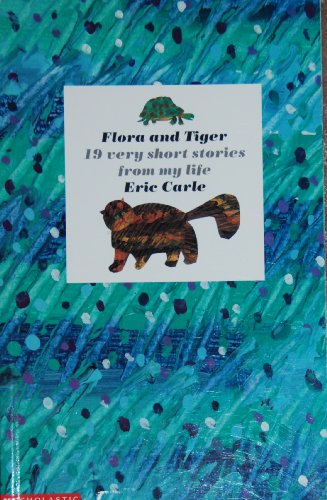
Flora and Tiger: 19 very short stories from my life
Eric Carle
Why We Picked It
Career Connection
Illustrators draw on their own experiences, observations, and emotional memories to make their work feel genuine and alive, and Carle's stories about where his images and ideas came from reveal the autobiographical roots of even the most beloved picture book art.