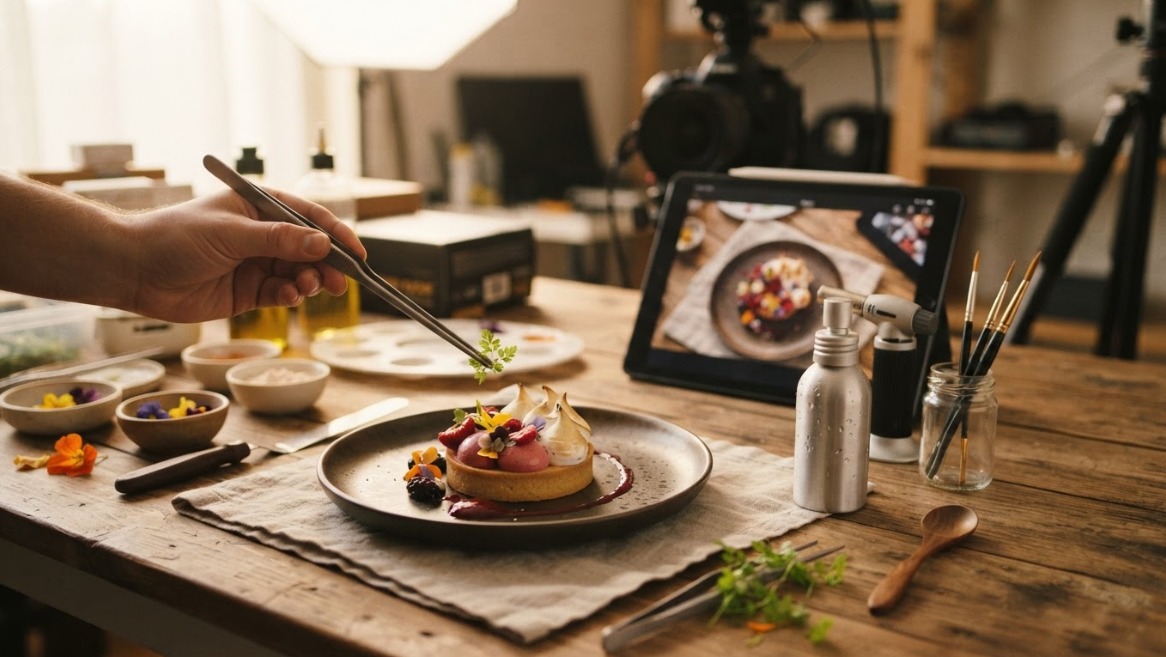
Did You Know?
A roasted turkey shrinks and wrinkles as it cooks, so for photos stylists often roast the bird for only 20 or 30 minutes and then paint the skin with browning sauce to get that golden color. It looks perfect, but it is still raw inside.
The Numbers Behind the Career
About 2,500 set and exhibit designer job openings are projected each year over the next decade.
There were about 31,300 set and exhibit designer jobs in the U.S. in 2024.
The median annual salary for set and exhibit designers, the closest tracked category to food stylists, was $75,240 in 2025.
Where This Career Is Headed
The next decade will pull food styling in a few different directions at once, not just toward or away from AI. As more restaurants exist primarily through delivery apps rather than physical dining rooms, demand is growing for food photography optimized for a phone screen thumbnail rather than a glossy print ad, a very different visual problem than stylists have traditionally solved. Food waste is also getting more scrutiny industry-wide, and some productions are beginning to track or limit how much food gets thrown away during a shoot, pushing stylists toward techniques that create fewer discarded batches. Short-form video is increasingly what brands want alongside still photography, since video tends to earn more engagement on social platforms, which means stylists have to keep food looking good in motion rather than in a single frozen frame. Meanwhile, AI-generated imagery is now capable enough that some lower-budget ads may skip physical styling altogether, though higher-end and restaurant-specific work is likely to stay firmly human for the foreseeable future.

As delivery apps and ghost-kitchen restaurants grow, demand is likely to increase for stylists who understand how food needs to look specifically for small phone-screen thumbnails, a different skill than styling for print or television.
The shift toward short-form video favors stylists who can keep food looking appealing while it is handled, poured, or cut on camera, not just arranged for a single static shot.
Growing attention to food waste in production could create demand for stylists known for efficient, low-waste techniques, a marketable specialty as sustainability becomes a bigger industry concern.
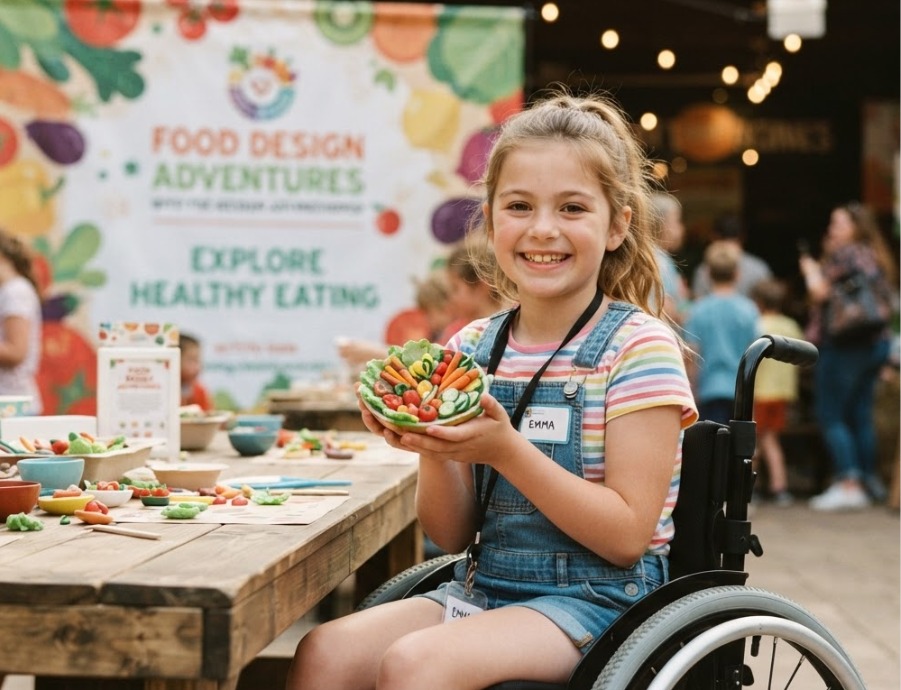
Education & Certification
No degree, license, or certification is required to become a food stylist, making this a more flexible but less clearly mapped path than many careers. Most stylists start with real culinary training, either through a culinary school program or hands-on experience in professional kitchens, since understanding how food actually cooks and behaves is the foundation the whole job is built on. From there, many people break into styling by assisting an established food stylist on real shoots, learning the visual tricks of the trade in person rather than in a classroom, and building a portfolio along the way that ends up mattering more than any credential. Some culinary schools and colleges also offer short food styling courses or workshops, and the International Association of Culinary Professionals gives annual awards for food styling, which is one way to see what the top of the field looks like.
To Prepare...
Take any cooking, culinary arts, or family and consumer science courses your school offers, since real cooking skill is the foundation of food styling.
Explore art, photography, or design courses, which build the visual eye that separates a good food stylist from someone who can only cook.
Practice styling and photographing your own food at home, then compare your results to professional food photography to notice what makes the professional version look more appealing.