
Did You Know?
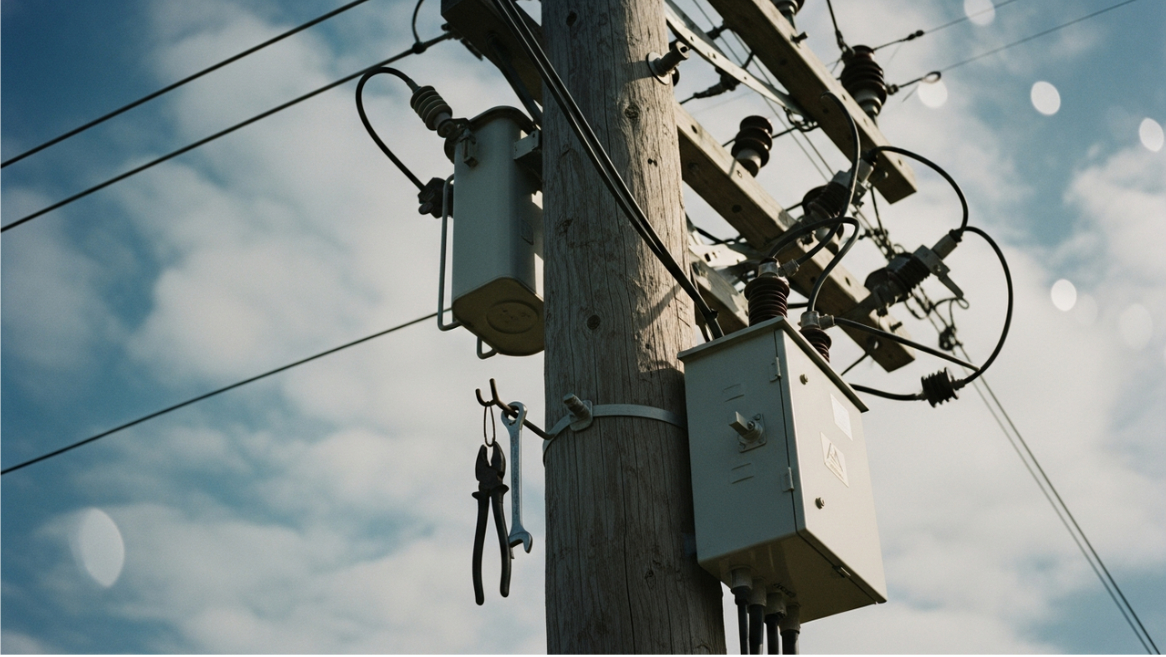
Linemen work with voltages ranging from less than 10,000 volts on neighborhood distribution lines to 300,000 volts or more on long-distance transmission lines. For comparison, a standard household outlet carries 120 volts.
The Numbers Behind the Career
The median annual salary for electrical power-line installers and repairers was $92,560 in 2024.
About 10,700 openings for electrical power-line installers and repairers are projected each year through 2034.
There were about 127,400 electrical power-line installers and repairers in the U.S. in 2024.
Where This Career Is Headed
The power grid is entering a period of transformation unlike anything since rural electrification. Massive investments in renewable energy, grid modernization, and electrification of transportation are creating sustained demand for skilled linemen. At the same time, the tools of the trade are evolving: drones are beginning to assist with line inspections, sensors embedded in equipment allow real-time monitoring of grid health, and new conductor technologies are increasing the capacity of existing lines. The linemen entering the field over the next decade will work on a grid that looks significantly different from the one that exists today, and the workers who combine traditional line skills with an understanding of new technologies will be the most valuable in the industry.

Renewable energy integration: Connecting large-scale solar farms and wind installations to the power grid requires building thousands of miles of new high-voltage transmission lines. Linemen experienced in transmission construction will be in especially high demand as these projects expand nationwide.
Grid modernization and smart grid technology: Utilities are investing billions to upgrade aging infrastructure with advanced sensors, automated switches, and digital monitoring systems. Linemen who gain expertise in installing and maintaining these technologies will advance into specialized, higher-paying roles.
Drone and robotics-assisted line work: Drones are increasingly used to inspect power lines, transport equipment to the tops of structures, and detect damage after storms. Linemen who learn to operate and incorporate drone technology into their work will expand what a single crew can achieve and create new career paths that combine field skills with technology.
Education & Certification
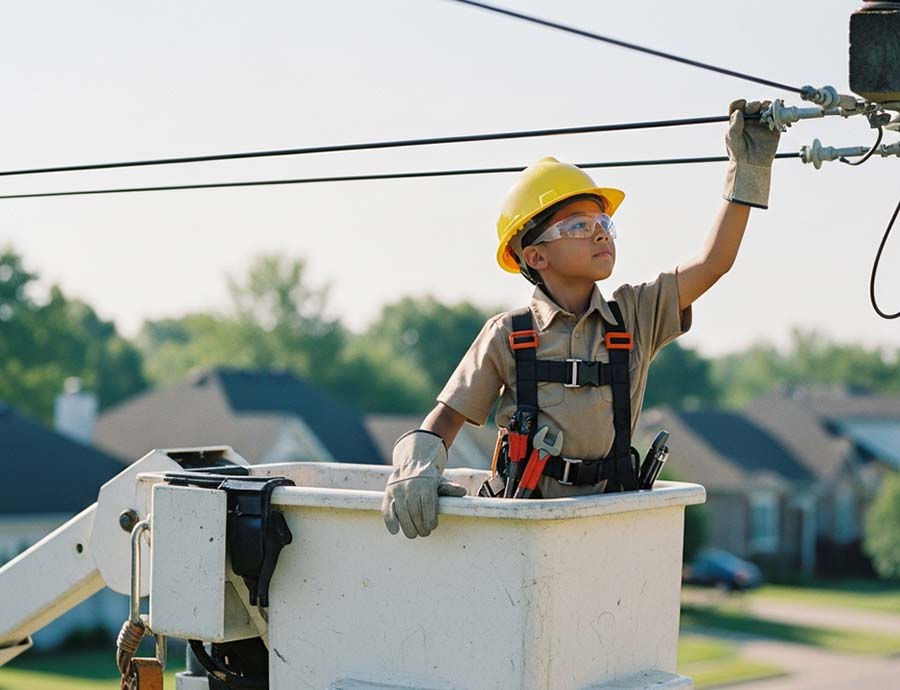
Linemen generally need a high school diploma or equivalent to start their careers. Most enter the field through a formal apprenticeship program, which lasts about four to five years and combines hands-on training with classroom instruction on electrical theory, safety procedures, pole climbing, rigging, and equipment operation. Apprenticeships are available through utility companies, electrical contractors, and unions such as the International Brotherhood of Electrical Workers (IBEW) through its joint apprenticeship and training programs. Some aspiring linemen enroll in pre-apprenticeship programs at technical schools or community colleges, such as Northwest Lineman College, which offer foundational skills in climbing, electrical systems, and safety that help candidates stand out when applying for apprenticeship positions.
Linemen are not federally licensed as electricians are in most states, but employers require completion of an apprenticeship and demonstrated competency before a worker is classified as a journeyman lineman. Many utilities and contractors also require certifications, such as a commercial driver’s license (CDL), to operate the heavy trucks and specialized equipment used in line work. First aid, CPR, and OSHA safety certifications are standard requirements. Some states and municipalities have their own licensing or certification requirements for line workers.
To Prepare...
Build a strong foundation in math, physics, and shop or vocational classes. Understanding how electrical circuits work, how to calculate loads and voltages, and how to use hand and power tools gives you a direct advantage when entering an apprenticeship program.
Develop physical fitness and comfort working at heights. Line work demands upper body strength, endurance, and the ability to climb and work in awkward positions for extended periods. Sports, weightlifting, rock climbing, and outdoor labor all build the kind of fitness the trade requires.
Research apprenticeship programs and pre-apprenticeship schools in your region. Utilities like your local power company, the IBEW, and schools such as Northwest Lineman College all offer pathways into the trade. Understanding the application process, physical requirements, and timelines early gives you a head start over other candidates.
Spotlight: Explore the Life of a Lineman

Explore more resources for a future Lineman

Light Up the World: When I Grow Up, I Want to Be a Lineman
Sarah Reijonen
Why We Picked It
Career Connection
Linemen climb poles and string wire in all conditions to keep electricity flowing to the homes and businesses that depend on it, and this book gives the youngest readers their first picture of what that dedication and demanding work actually looks like.