
Did You Know?
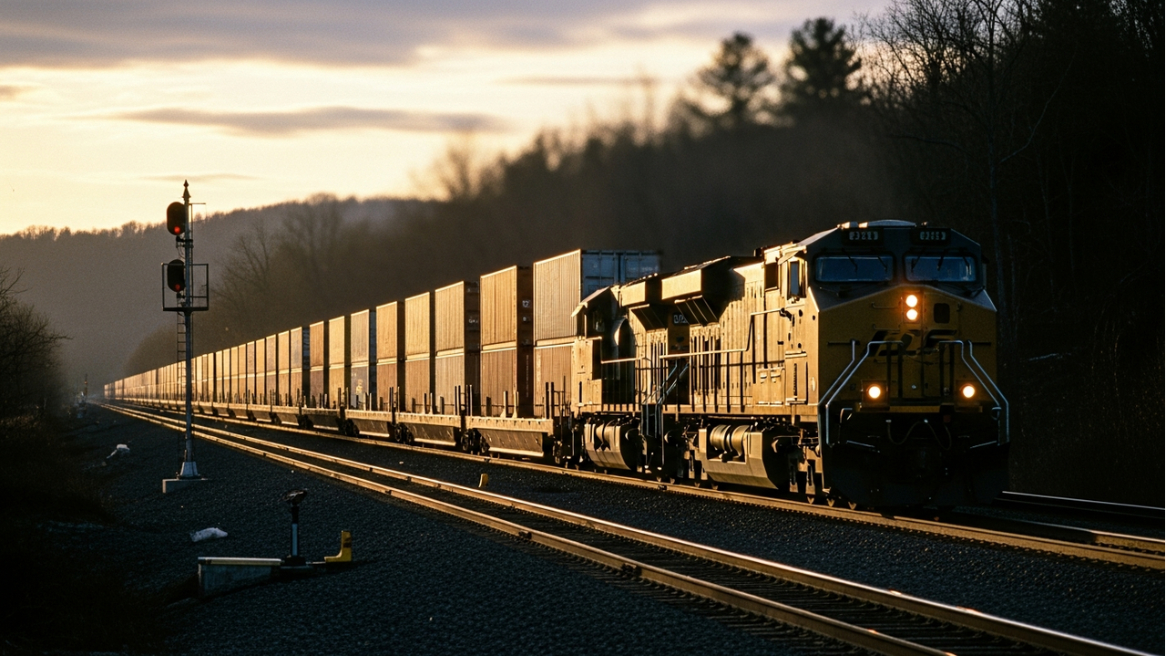
A fully loaded freight train can be over two miles long and weigh more than 20,000 tons. A single freight train can carry the same amount of cargo as approximately 300 large trucks, making rail one of the most efficient ways to move goods across the country.
What Train Operator s Really Do
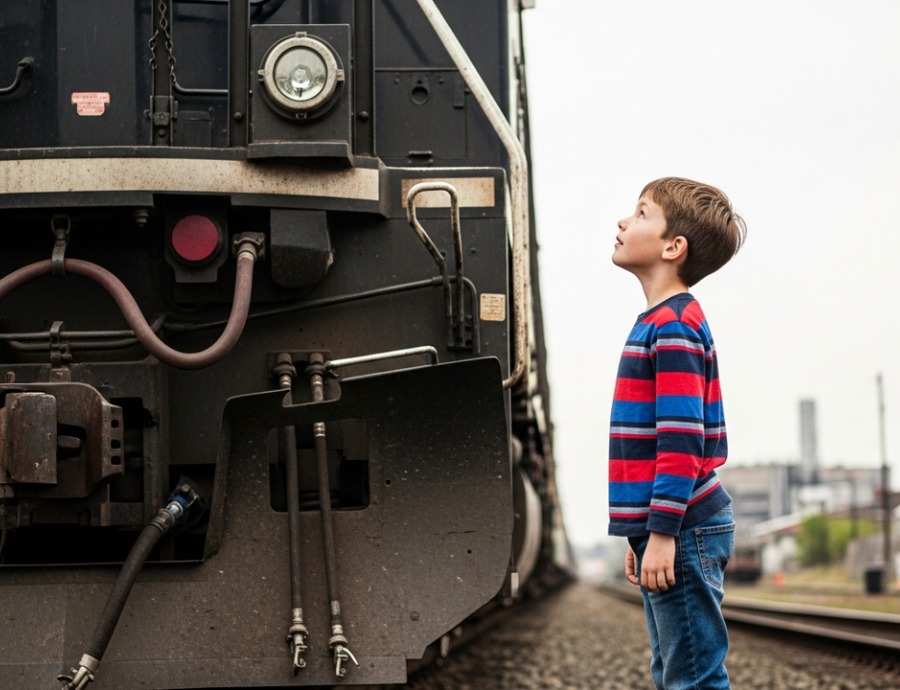
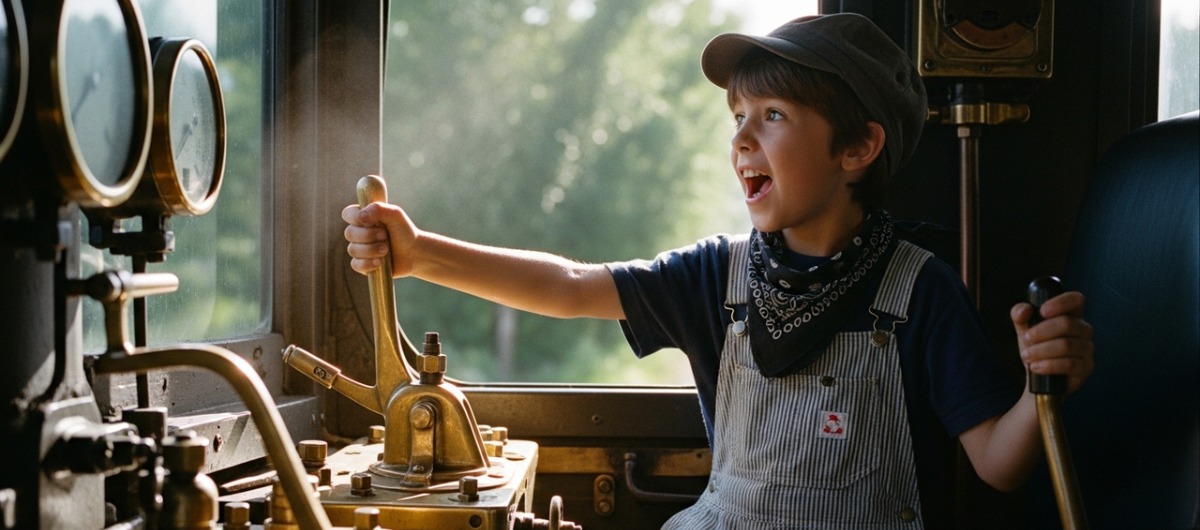
Imagine sitting in the cab of a huge locomotive, looking out at miles of track stretching ahead through mountains, across rivers, and past both cities and small towns. You grip the throttle and feel the engine rumble beneath you as thousands of tons begin to move. A train operator, also called a locomotive engineer, is the person who drives passenger and freight trains across the country. They control how fast the train goes, when it stops, and how it moves safely through every curve, crossing, and signal along the route. If you have ever watched a train thunder past and wondered what it would be like to be the person at the controls, this might be the career for you.
Train engineers operate various types of trains: long freight trains carrying food, cars, and building supplies; passenger trains that transport people between cities; and subway and commuter trains that help millions get to work and school every day. They communicate using horns, radios, and signal lights, and they must stay alert and focused throughout their shifts because they are responsible for everyone and everything on board. If the idea of controlling powerful machines, paying close attention to details, and traveling across the country as part of your job sounds exciting, being a train engineer could be an excellent fit.
You Might Love This If...
Skills That Follow You Everywhere
Being a train operator/engineer helps you develop important skills that are useful in many different careers, such as critical thinking, communication, and adaptability. Engineers learn how to make split-second decisions with real consequences, communicate clearly and precisely with team members they cannot see, and adjust their approach when conditions change unexpectedly. These skills are especially important in a train engineer’s everyday work, where reading signals, coordinating with dispatchers, and responding to changing weather and track conditions all play a big role.
Critical Thinking
Train engineers constantly evaluate speed, weight, grade, weather, signal indications, and track conditions simultaneously, adjusting their approach as new information arrives. When something unexpected happens, like a signal malfunction or an obstruction on the tracks, the engineer must quickly assess the situation, weigh the options, and choose the safest course of action. This ability to think clearly under pressure and make sound judgments under time constraints is a skill that transfers to virtually any career.
Adaptability
Train engineers adjust to conditions that can vary dramatically from one trip to the next, including sudden weather changes, unexpected speed restrictions, and mechanical issues requiring real-time adjustments. Engineers also adapt to irregular schedules, different types of trains and territories, and evolving technology as the railroad industry continues to modernize. The ability to stay calm, flexible, and effective when plans change is at the core of what makes a great train engineer.
Communication
Train engineers maintain constant contact with conductors, dispatchers, and other crew members through radio and signal systems, often relying on standardized language that leaves no room for misunderstanding Clear, precise communication is essential because the people coordinating the train’s movement are often miles away and relying entirely on what the engineer reports. This disciplined approach to communication builds habits of clarity and precision that are valuable in any team-based profession.
Explore more resources for a future Train Operator

Casey Jones: American Hero
Mason, Jeanne
Why We Picked It
Career Connection
Train engineers begin their careers learning every aspect of railroad operations, from working the tracks to understanding signals and scheduling, and Casey Jones's path from apprentice to legendary engineer shows the deep professional knowledge and courage the role demands.

I Dream of Trains
Angela Johnson | Loren Long (Illustrator)
Why We Picked It
Career Connection
Train engineers have represented freedom and possibility in American imagination since the railroad's earliest days, and this picture book's portrait of a boy watching the trains go by captures how profoundly the image of the locomotive engineer has shaped American dreams of movement and escape.

Trains: The World's Most Scenic Routes
Publications International Ltd.
Why We Picked It
Career Connection
Train engineers spend their careers operating specific routes in specific conditions, and this global tour of the world's most scenic and technically demanding lines gives young readers a vivid picture of the extraordinary variety of rail work available to those who make the profession their life's work.