
Did You Know?
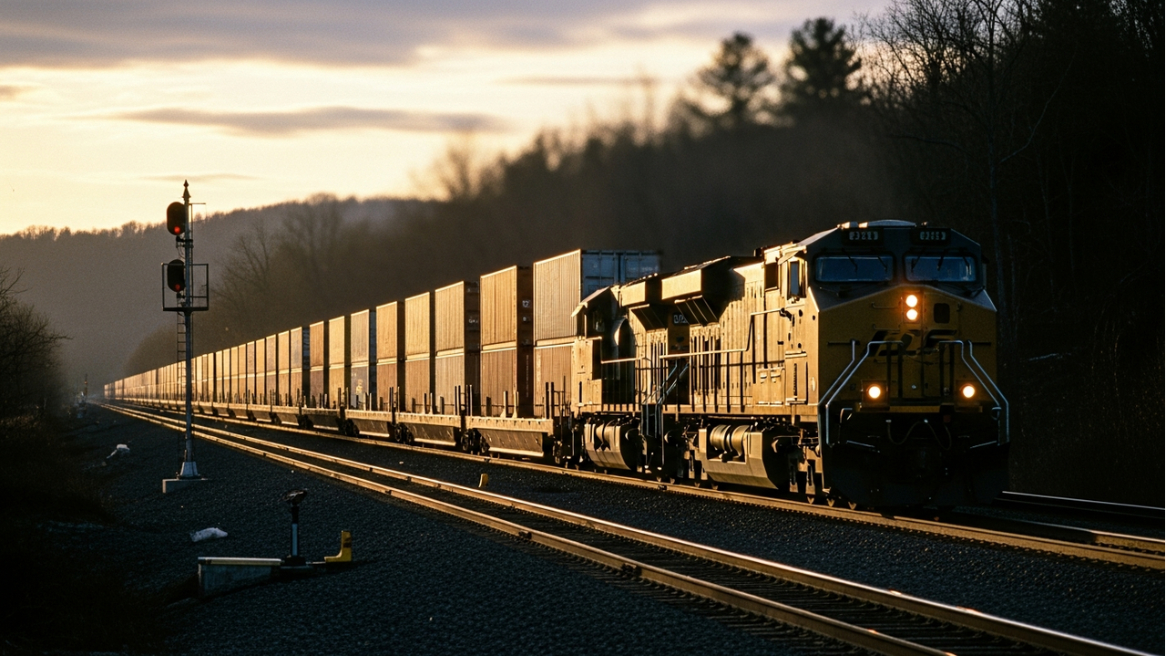
A fully loaded freight train can be over two miles long and weigh more than 20,000 tons. A single freight train can carry the same amount of cargo as approximately 300 large trucks, making rail one of the most efficient ways to move goods across the country.
The Numbers Behind the Career
About 6,600 job openings are projected each year through 2034.
There were about 77,00 railroad workers, including locomotive engineers and conductors working in the U.S. in 2024.
The 2024 median annual salary for locomotive engineers in the U.S. was $97,000.
Where This Career Is Headed
The railroad industry is entering a period of significant technological change as automation, electrification, and data-driven operations reshape how trains are operated. Positive Train Control (PTC), a GPS-based safety system now required on most mainline tracks in the United States, has already changed how engineers interact with their locomotives by automatically enforcing speed limits and preventing certain types of collisions. As railroads invest in new technology to improve efficiency and safety, the role of the locomotive engineer will continue to evolve, requiring workers comfortable with both traditional train-handling skills and increasingly sophisticated digital systems.
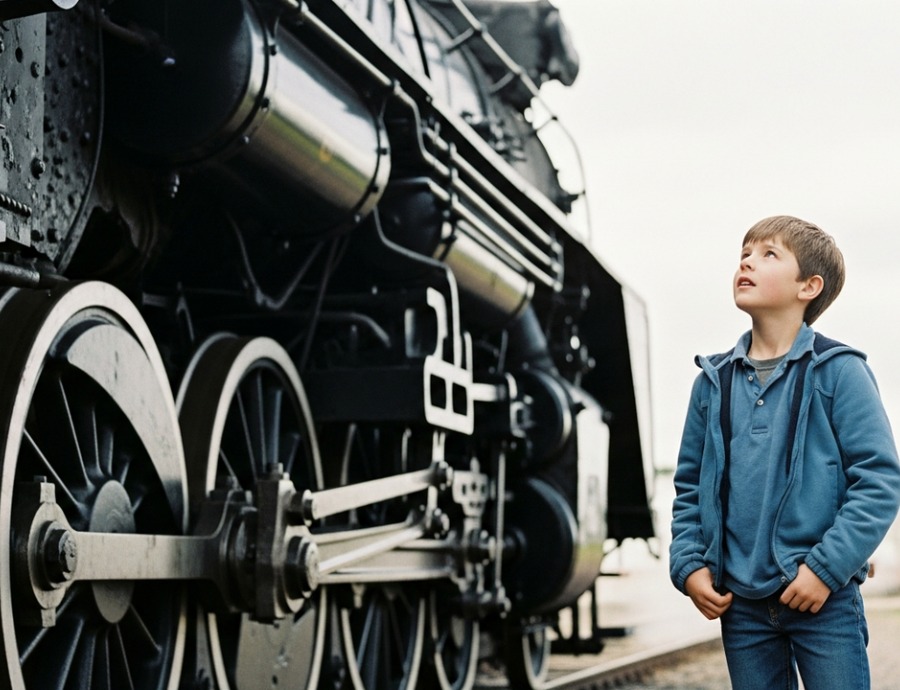
High-speed and passenger rail expansion: Federal and state investments in new passenger rail corridors, including high-speed rail projects, will create demand for engineers trained on advanced train control systems and electric locomotives that operate very differently from traditional diesel-powered freight trains.
Green freight transportation: As companies and governments push to reduce carbon emissions, rail’s fuel efficiency advantage over trucking will drive increased freight volumes, and engineers skilled in operating battery-electric or hydrogen-powered locomotives will be positioned at the forefront of this transition.
Advanced technology roles: Engineers who develop expertise in Positive Train Control systems, remote-controlled locomotive operations, and data-driven train-handling optimization will be well-positioned for leadership and training roles as the industry modernizes.
Education & Certification
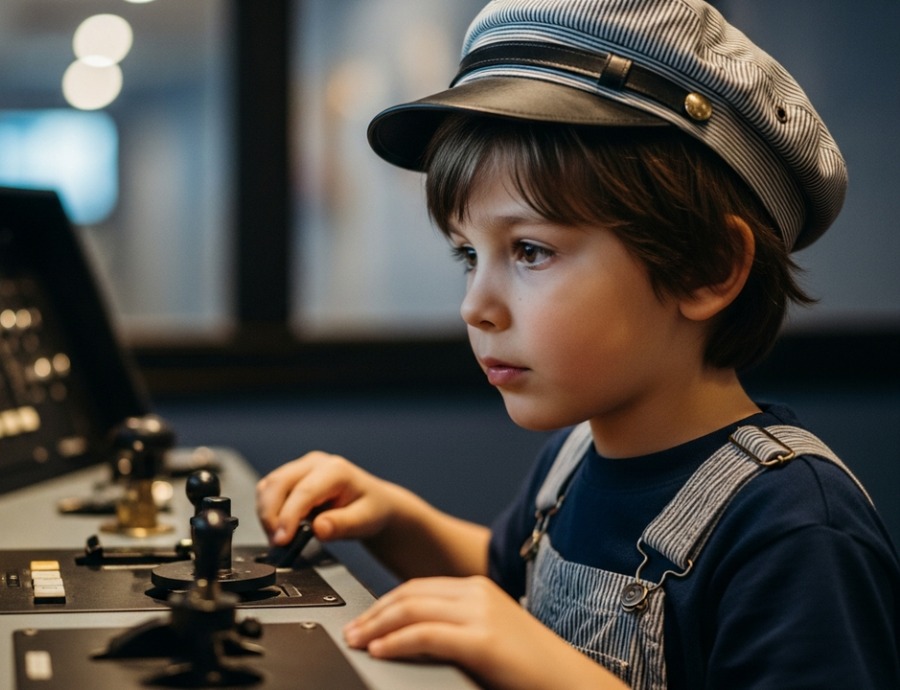
Train operators and locomotive engineers typically need a high school diploma or equivalent. Most railroads hire candidates as conductors first, providing paid on-the-job training that includes classroom instruction and field experience. After gaining experience as a conductor, workers can apply to enter an engineer training program, which typically lasts several months and combines simulator training with supervised operation of real locomotives.
Federal regulations require locomotive engineers to be certified under the Federal Railroad Administration’s engineer certification program. Engineers must pass written knowledge exams, demonstrate practical operating skills, and meet strict vision and hearing standards. Certification must be maintained through regular testing and continuing education. Many engineers also receive additional training in Positive Train Control systems and hazardous materials handling.
To Prepare...
Explore any available vocational or technical courses in mechanics, automotive systems, or industrial technology to build familiarity with engines, braking systems, and the kind of heavy equipment train engineers operate daily.
Take courses in geography or earth science to build an understanding of terrain, weather systems, and environmental conditions that directly affect how trains are operated across different regions and seasons.
Enroll in computer applications or technology courses, since modern locomotives rely on digital control systems, GPS tracking, and onboard diagnostics that engineers must monitor and interpret.
Spotlight: Explore the Life of a Train Operator
Explore more resources for a future Train Operator

Nothing Like It in the World: The Men Who Built the Transcontinental Railroad, 1863-1869
Ambrose, Stephen E.
Why We Picked It
Career Connection
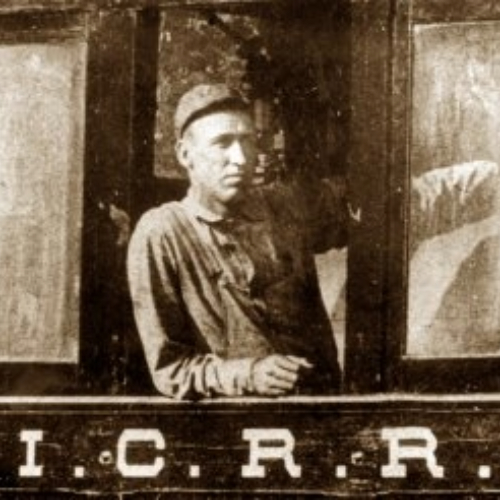
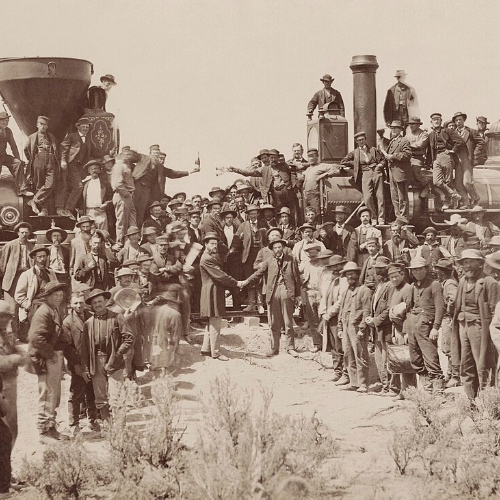
Train engineers who ran the first transcontinental lines operated on track built through extraordinary hardship, and this account of how that track was laid gives high-school students the full historical and engineering context behind the railroad that made modern rail travel across America possible.

Iron Horses
Verla Kay
Why We Picked It
Career Connection
Train engineers who operated the early transcontinental lines navigated some of the most challenging terrain and weather conditions in North America, and this book's vivid account of the railroad's construction shows the ambition and engineering ingenuity behind the tracks they would eventually run.

Locomotive
Floca, Brian
Why We Picked It
Career Connection
Train engineers operate the locomotives that this book celebrates, managing speed, monitoring systems, and responding to the track conditions that every journey brings, and this picture book's immersive celebration of early railroad travel gives young readers a visceral sense of what it means to drive a machine that changed a continent.