
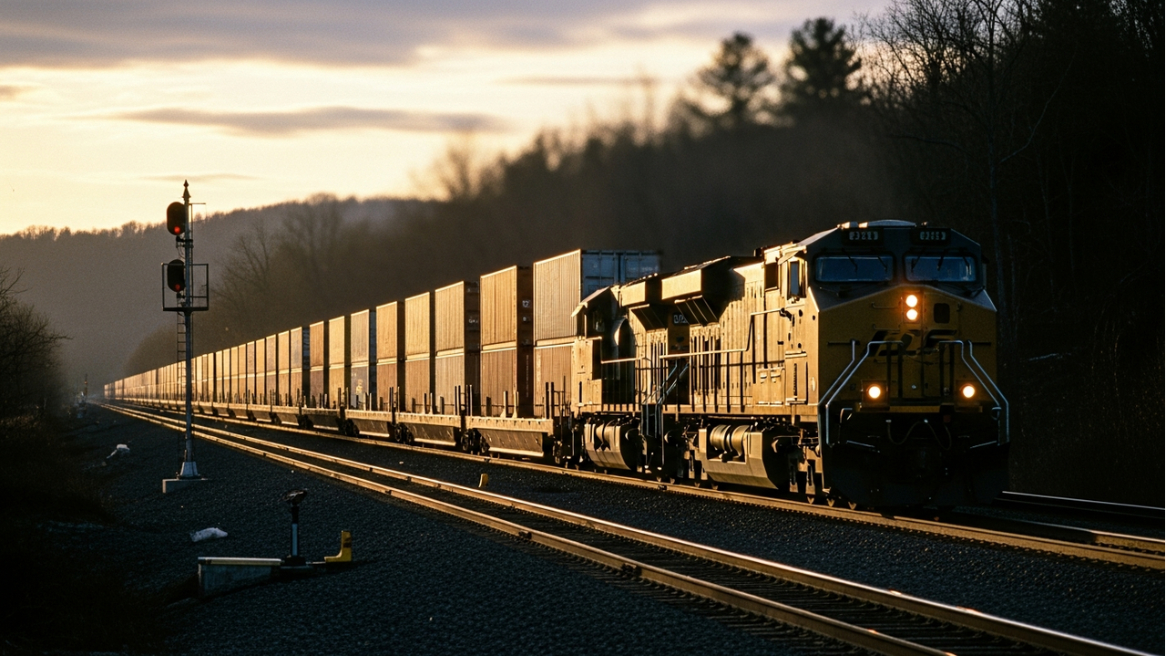
Did You Know?
A fully loaded freight train can be over two miles long and weigh more than 20,000 tons. A single freight train can carry the same amount of cargo as approximately 300 large trucks, making rail one of the most efficient ways to move goods across the country.
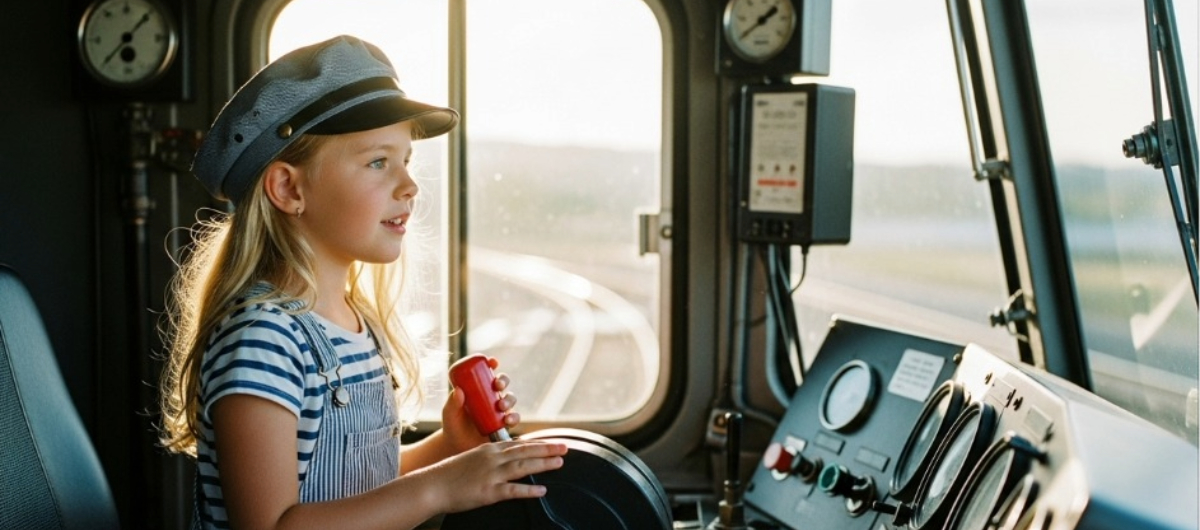
How to Get Started
Starting a career as a train operator or locomotive engineer involves building mechanical awareness, developing strong habits of focus and responsibility, and gaining exposure to how railroads operate. This is a career that rewards patience, discipline, and genuine fascination with how trains work. Getting involved early through hands-on activities, learning about the railroad industry, and developing the personal qualities that railroads value can put you on the path toward the cab of a locomotive.
Explore the Basics
Find a safe spot near a railroad crossing with a parent and watch trains pass. Count the cars, notice the different types of freight cars such as boxcars, tankers, and flatcars, and try to figure out what each one might be carrying. Listen to how the engineer uses the horn at crossings and watch for signal lights along the track. Observing trains in the real world is the first step toward understanding how the railroad system works and what engineers do to keep everything moving safely.
Try It Out
Build a model train layout at home, even a simple oval on a table. Practice controlling the train's speed, stopping it at specific points along the track, and running it smoothly through curves. Add obstacles or stops and practice bringing the train to a halt before reaching them. This hands-on activity develops the patience, control, and awareness of speed and distance that real locomotive engineers use when operating trains that weigh thousands of tons.
Join the Community
Visit a railroad museum or take a ride on a tourist or heritage railroad. Many museums let you climb into locomotive cabs, see how controls work, and talk to real engineers or retired railroad workers. Prepare questions ahead of time, such as what it feels like to drive a train, what the hardest part of the job is, and how they learned to do it. Experiencing trains up close makes the career real in a way that books and videos cannot.
How to Become a Train Operator
Explore more resources for a future Train Operator

Iron Horses
Verla Kay
Why We Picked It
Career Connection
Train engineers who operated the early transcontinental lines navigated some of the most challenging terrain and weather conditions in North America, and this book's vivid account of the railroad's construction shows the ambition and engineering ingenuity behind the tracks they would eventually run.

400+ Thrilling & Unbelievable Train Facts for Enthusiasts: Explore Legendary Engineers, Railroad Feats, Cutting-Edge Technology & Much More! (The Ultimate Gift for Railway Fans & History Buffs)
Ward, Nathan
Why We Picked It
Career Connection
Train engineers develop deep knowledge of the machines they operate, the routes they run, and the history of the railroad industry, and this collection of facts spanning legendary engineers, remarkable technologies, and the world's most scenic routes builds exactly the kind of enthusiast knowledge that serious rail professionals often trace back to their earliest fascination with trains.

I Dream of Trains
Angela Johnson | Loren Long (Illustrator)
Why We Picked It
Career Connection
Train engineers have represented freedom and possibility in American imagination since the railroad's earliest days, and this picture book's portrait of a boy watching the trains go by captures how profoundly the image of the locomotive engineer has shaped American dreams of movement and escape.