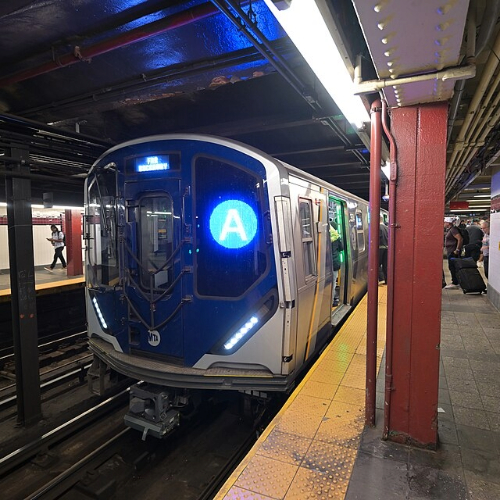
Photo: 4300streetcar, CC BY 4.0 <https://creativecommons.org/licenses/by/4.0>, via Wikimedia Commons
What It Is
Modern railroad operations in the United States are a vital part of the national economy. Seven major freight railroads run over 140,000 miles of track and transport about 1.6 billion tons of freight each year. On the passenger side, Amtrak offers intercity rail service across a nationwide network, while commuter rail systems in major cities carry millions of riders every day. Today's trains are operated with advanced technology such as Positive Train Control, GPS tracking, and computer-assisted dispatching.
Why It Matters
Modern railroad operations are crucial because they form the backbone of how goods are transported across the country. Railroads are roughly four times more fuel-efficient than trucks for freight. The industry is also investing in battery-electric and hydrogen-powered locomotives, high-speed rail, and automation. For young people interested in train engineering, this is not just a career rooted in history but one actively evolving.