
Did You Know?
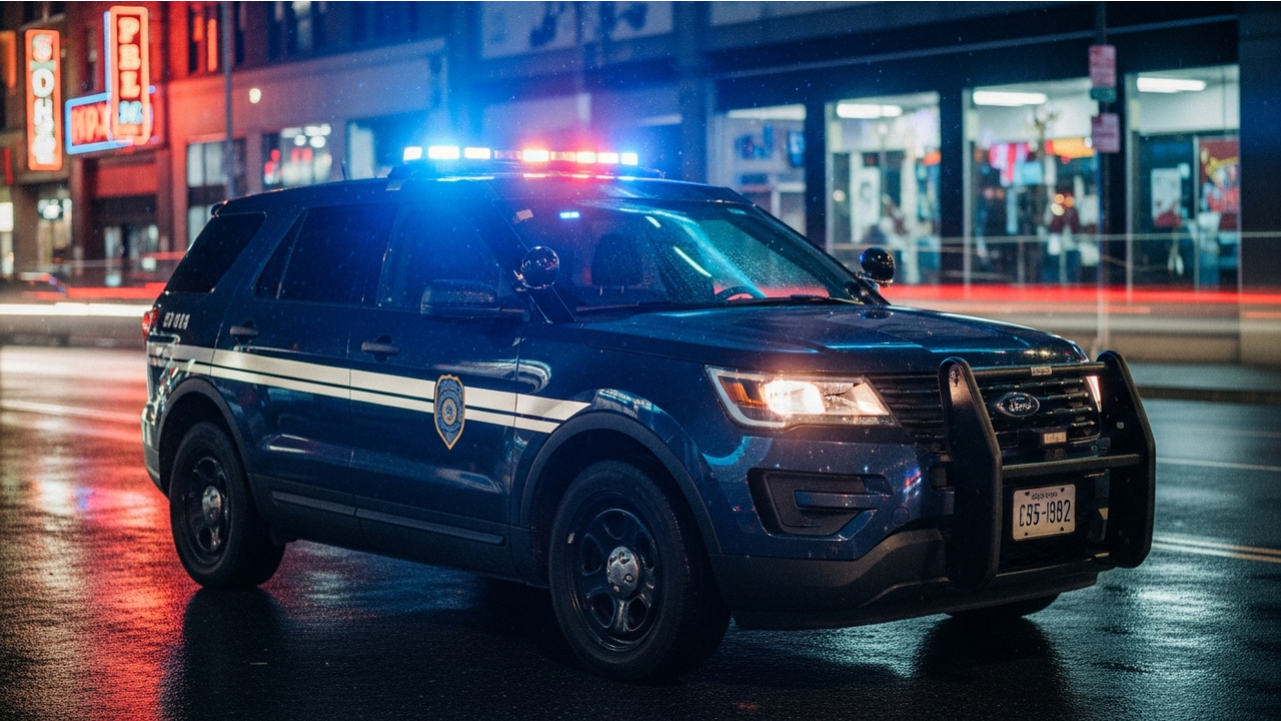
An officer’s duty gear can weigh 20-30 pounds or more, and they wear it while running, climbing, and moving quickly in stressful situations.
What Police Officers Really Do
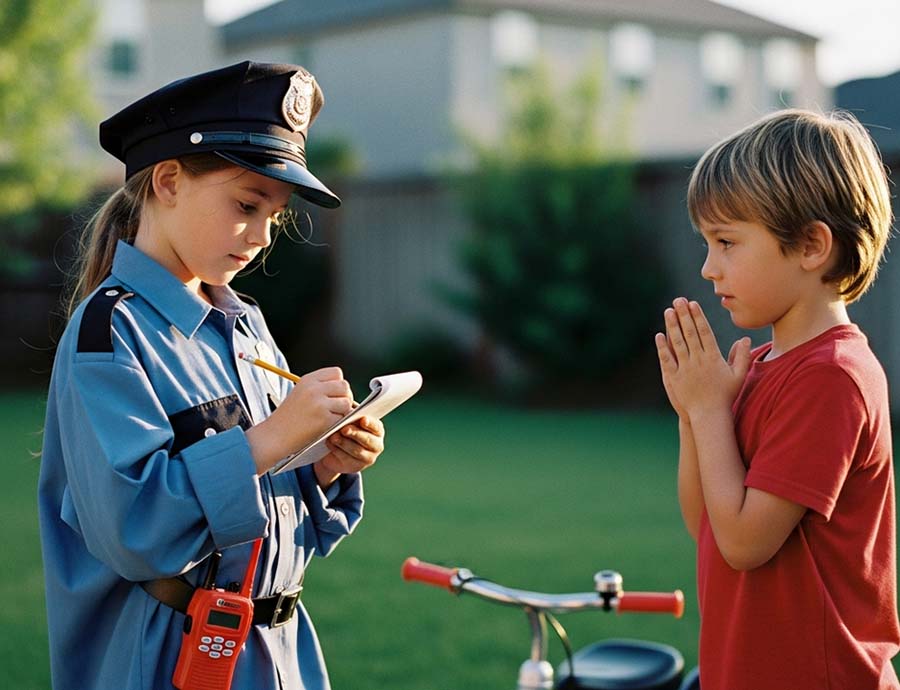
Imagine you are walking home from school and you notice someone who looks lost or worried. You stop, ask if they are okay, and help them figure out what to do next. A few minutes later, a police officer arrives. Their uniform is neat, their radio crackles, and they speak in a calm voice that makes the situation feel less scary. They listen carefully, ask questions, and help everyone feel safe again. Police officers help direct traffic when there is a crash, help families find a missing pet, or show up when someone needs help fast. Their job is not just about rules. It is about helping people, making smart choices, and keeping communities safe.
Becoming a police officer starts with caring about others and paying attention to what is happening around you. Police officers learn how to stay calm, communicate clearly, and make good decisions even when things feel stressful. They practice being brave, respectful, and fair. If you like helping people, standing up for what is right, and being someone others can count on, you may already be thinking like a police officer.
You Might Love This If...
Skills That Follow You Everywhere
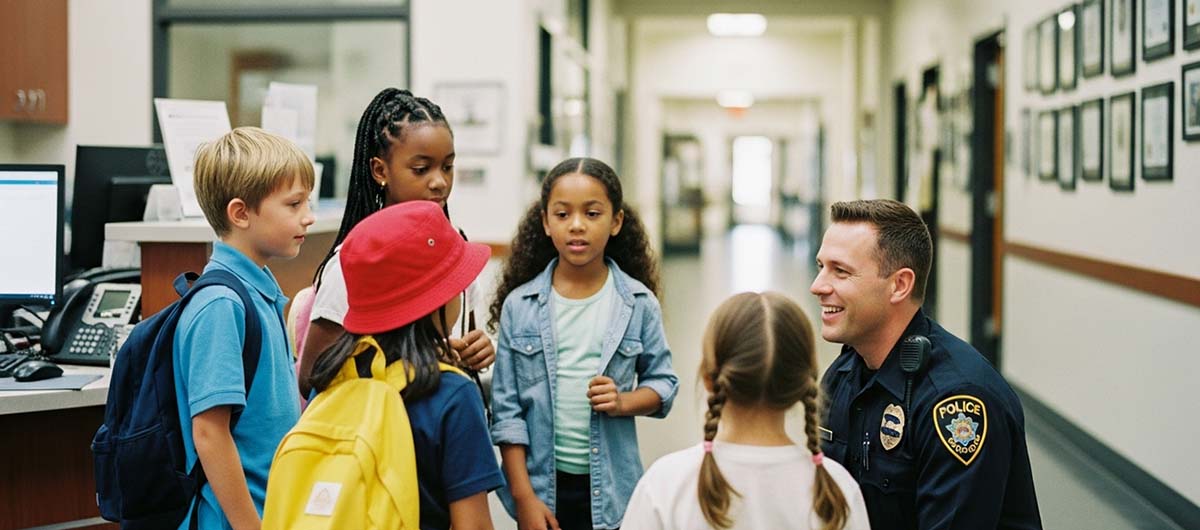
Being a police officer builds important skills that go far beyond emergency calls. Officers learn to stay calm under pressure, work with diverse people, and make smart decisions in situations where every second matters. These skills are valuable in school, future careers, and everyday life.
Critical Thinking
Police officers must make fast, fair decisions in changing situations. Critical thinking helps them assess what’s happening, spot important details, and choose the safest next step. It also helps officers solve cases by connecting clues, understanding different perspectives, and adjusting their approach when new information appears.
Communication
Police officers use communication constantly to keep people safe and situations under control. Communication means speaking clearly, listening carefully, and knowing how to calm people down when emotions are high. Whether it’s giving directions at a crash scene, asking questions during an investigation, or helping someone in crisis, strong communication can prevent problems from getting worse.
Empathy
Police officers often meet people on their hardest days. Empathy helps officers understand how others feel, treat people with respect, and respond in ways that build trust. It supports better outcomes during conflicts, mental health calls, and community situations where compassion and patience matter just as much as authority.
Explore more resources for a future Police Officer

NATIONAL GEOGRAPHIC Spy Science Kit - Kids Spy Activity Set, Complete 10 Secret Missions with Gadgets for Kids and Gear, Detective Kit, Science Kits, Pretend Play
Why We Picked It
Career Connection
Detectives and investigators use observation, logical deduction, and technical tools to solve cases, and this kit builds the same methodical problem-solving skills that professional law enforcement relies on.

Serpico: The Classic 1960s True Crime Biography of a Brooklyn Cop Who Couldn't Be Bought
Peter Maas
Why We Picked It
Career Connection
Police officers swear an oath to uphold the law with integrity, and Serpico's story shows teens that the most important quality in law enforcement is the moral courage to do what's right.

Junior Detective Game by Buffalo Games, Board Games for Kids 6-10, Family Board Games, Mystery Board Game for Kids, Cooperative Detective Game, Fun Family Games
Why We Picked It
Career Connection
Detectives interview witnesses, cross-reference statements, and build timelines to solve crimes, and this game teaches the same evidence-analysis and deductive-reasoning process real investigators follow.