
Did You Know?
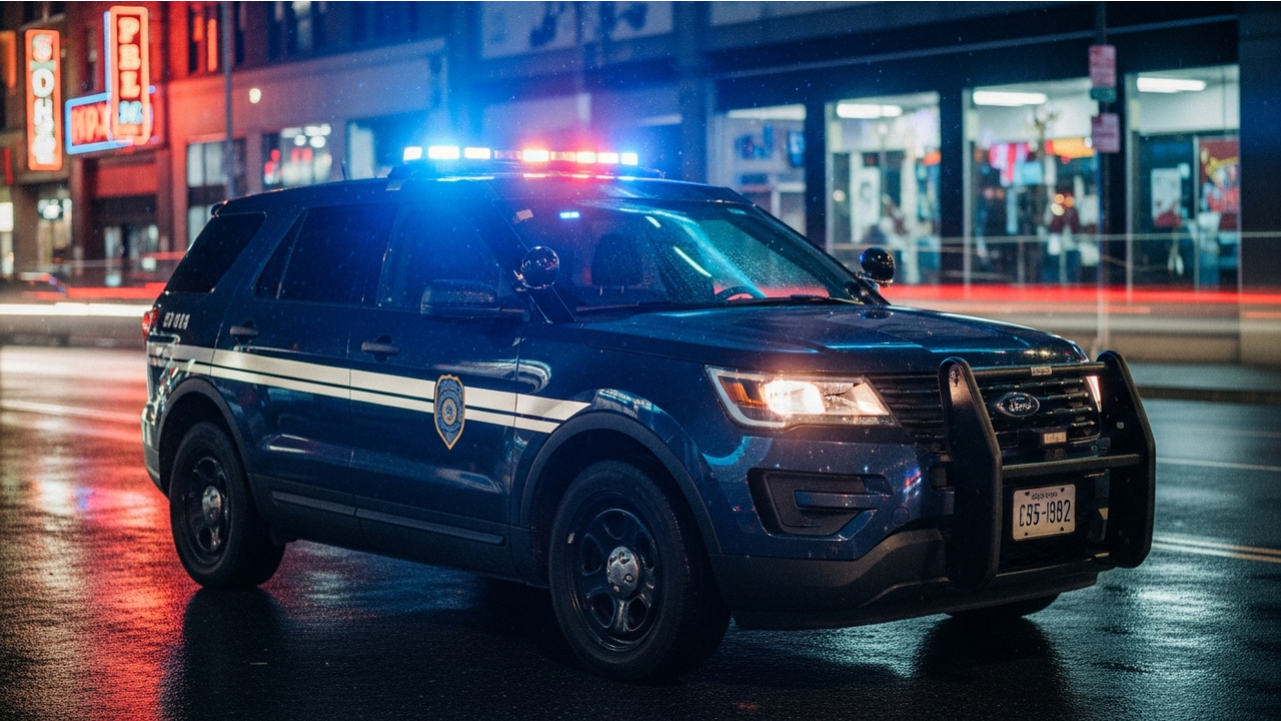
An officer’s duty gear can weigh 20-30 pounds or more, and they wear it while running, climbing, and moving quickly in stressful situations.
The Numbers Behind the Career
The 2024 median annual wage for police and sheriff officers was $74,910.
About 57,000 police and sheriff patrol officers job openings are projected annually over the nextdecade.
According to the Bureau of Labor Statistics, there were about 708,000 police and sheriff's patrol officers in the U.S. in 2024.
Where This Career Is Headed
Policing continues to evolve as communities, technology, and public safety needs change. Police departments are using more advanced tools such as improved communication systems, body-worn cameras, modern dispatch technology, and digital reporting to respond faster and work more effectively. Officers are also receiving more training in areas such as community engagement, crisis communication, and de-escalation skills, so they can help solve problems peacefully whenever possible.
As technology becomes increasingly important in daily life, police work is also expanding into areas such as cyber safety, digital evidence, and online investigations. At the same time, there is a growing focus on officer wellness, including stress management, injury prevention, and mental health support.
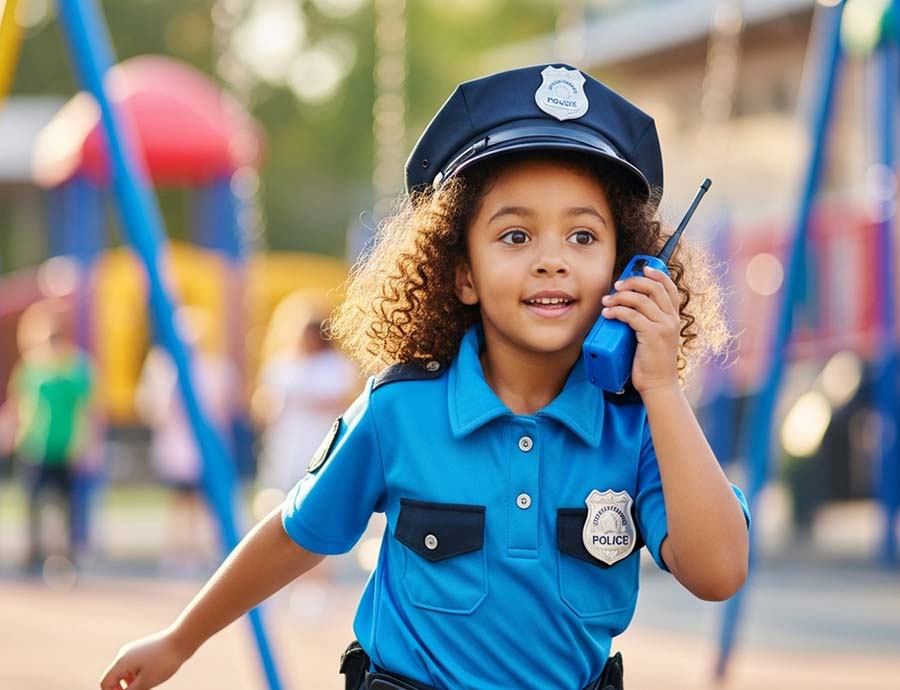
New technologies and smarter communication systems will help officers respond faster, share information safely, and coordinate more effectively during emergencies.
Digital tools like mapping, real-time traffic updates, and improved dispatch systems will support safer, more efficient patrol work.
Growing focus on community partnerships will create more roles for officers who enjoy mentoring, education, and building trust with youth and families.
Cyber safety and technology-related investigations will create new pathways in digital forensics, online safety, and the protection of people from scams and harmful online activity.
Education & Certification
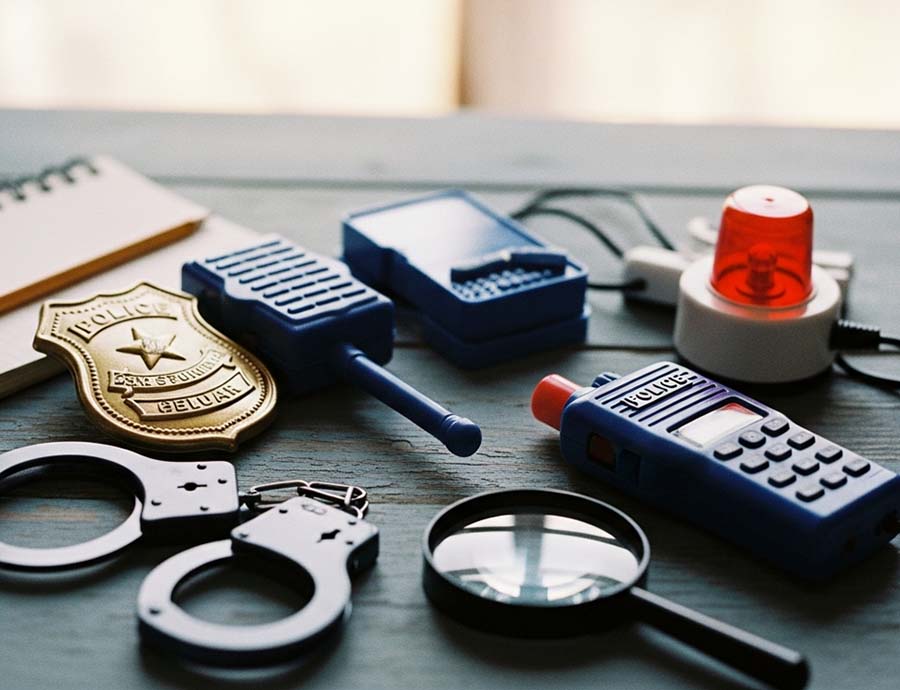
Becoming a police officer requires responsibility, strong decision-making, and a commitment to serving others. Education and training play an important role in long-term success and career growth. Many police officers complete a police academy program where they learn laws and procedures, communication and de-escalation skills, report writing, emergency response, physical fitness, and safe decision-making. Officers also study topics such as criminal justice, community policing, ethics, and basic investigation to respond fairly and professionally in stressful situations. High school classes in government/civics, psychology, health, writing, leadership, and fitness can help students build a strong foundation for this career.
Some officers continue their education in criminal justice, public safety, psychology, or related fields. Additional training can include crisis intervention, youth engagement, cyber safety, traffic safety, and investigative techniques. Ongoing training helps officers stay prepared as technology, community needs, and public safety practices evolve.
To Prepare…
Take classes in government/civics, psychology, health, leadership, and physical education to build decision-making skills, communication, and fitness.
Volunteer in your community to practice responsibility, service, and working with different types of people.
Join clubs or activities that build leadership and teamwork, such as student council, JROTC, debate, athletics, or service clubs.
Spotlight: Explore the Life of a Police Officer

Explore more resources for a future Police Officer

Forensics: What Bugs, Burns, Prints, DNA and More Tell Us About Crime
Val McDermid
Why We Picked It
Career Connection
Forensic scientists work alongside police to process crime scenes, analyze DNA, and present evidence in court, and this book reveals the real science behind the lab work that solves criminal cases.

AFUNX Magnetic Tiles, 50PCS Police Station Theme Building Blocks Set, Magnet Building Blocks and STEM Preschool Toys for Toddlers Kids Ages 3-5 5-7 8-10
Why We Picked It
Career Connection
Police departments operate from stations designed with dispatch centers, evidence rooms, and patrol staging areas, and building these structures introduces kids to the operational infrastructure behind community policing.

Keymall Kids Police Officer Costume 6 Pcs Cop Accessories Set Including Hat Vest Sunglasses Badge Holder Handcuff Walkie Talkie(Set C)
Why We Picked It
Career Connection
Police officers wear uniforms and carry specific equipment that identify them as public servants, and dressing the part helps kids understand the responsibility, authority, and trust that come with the badge.