
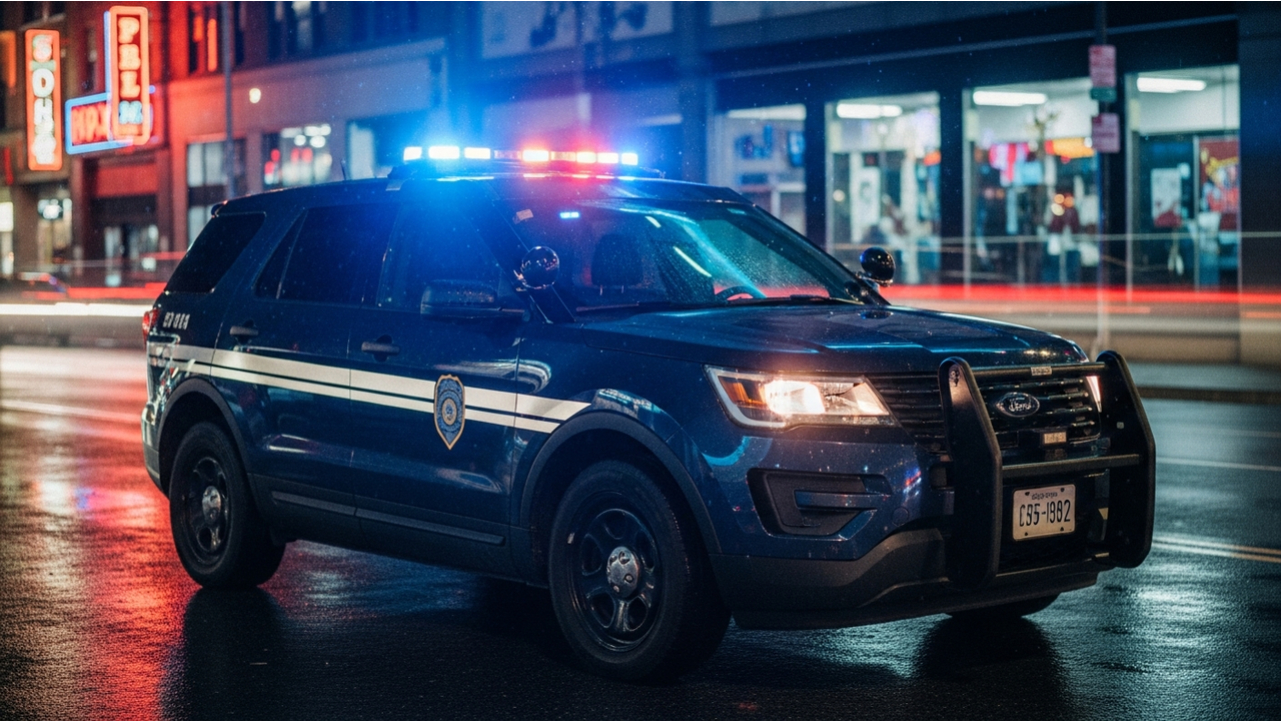
Did You Know?
An officer’s duty gear can weigh 20-30 pounds or more, and they wear it while running, climbing, and moving quickly in stressful situations.

How to Get Started
Getting started in a police officer career begins with learning how officers protect people and solve problems in the community. Noticing how police officers use skills like communication, critical thinking, and empathy helps show what the job is really like. Watching station tours, community safety demonstrations, and interviews with officers can build understanding and inspiration. Curiosity, responsibility, and a commitment to helping others are the first steps toward becoming a police officer.
Explore the Basics
Learning about police officers can start by noticing how they help people in the community and why safety rules matter. Reading books about police stations, patrol cars, and community helpers builds excitement and understanding. Talking about road safety, stranger safety, and when to call for help teaches children how officers support families and neighborhoods.
Try It Out
Practice “community safety” at home by creating a family emergency plan (who to call, where to go, what to do if you get separated). Set up a fun “observation challenge” by placing a few objects on a table, looking for 30 seconds, then covering them and trying to remember details. Play role-play games in which one person explains a problem, and the other listens calmly and gives helpful directions.
Join the Community
Visit a local police department open house, safety fair, or community event if available. Participate in school safety days and learn from officers about safety, kindness, and helping others. Watching officers demonstrate their tools (such as radios, uniforms, and patrol cars) can help students connect their curiosity to real-life community service.
How to Become a Police Officer
Explore more resources for a future Police Officer

Police Officers on Patrol
Kersten Hamilton
Why We Picked It
Career Connection
Patrol officers respond to dispatch calls, manage traffic scenes, and assist community members throughout their shifts, and this book introduces the diverse, fast-paced nature of daily police work.

Spy Kit for Kids Detective Outfit Fingerprint Toys Gifts for 5 6 7 8 9 10 11 Year Old Boys Girls Investigation Role Play Dress Up Costume Educational Science Secret Agent Finger Print Identification
Why We Picked It
Career Connection
Crime scene investigators collect and analyze physical evidence — fingerprints, fibers, and trace materials — and this kit introduces the same careful evidence-handling techniques real forensic teams follow.

Junior Detective Game by Buffalo Games, Board Games for Kids 6-10, Family Board Games, Mystery Board Game for Kids, Cooperative Detective Game, Fun Family Games
Why We Picked It
Career Connection
Detectives interview witnesses, cross-reference statements, and build timelines to solve crimes, and this game teaches the same evidence-analysis and deductive-reasoning process real investigators follow.