
Did You Know?
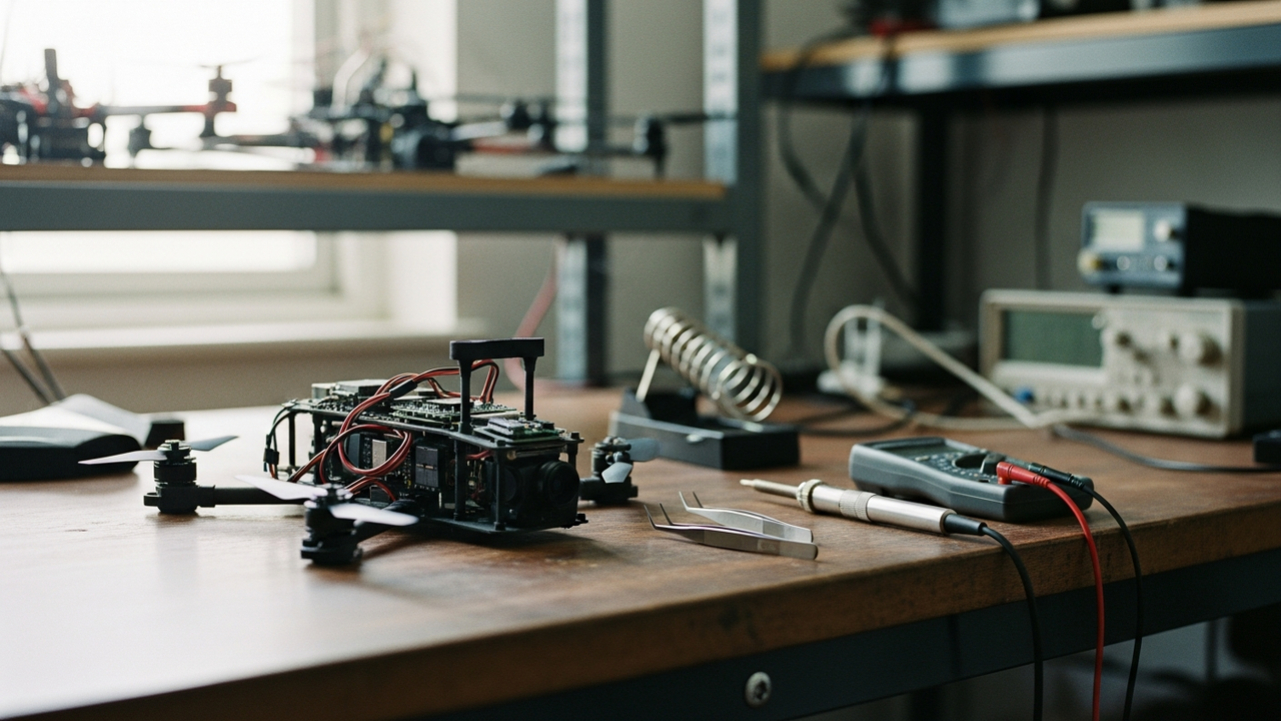
A commercial drone inspection of a wind turbine takes about thirty minutes. The same inspection done by a human climbing the turbine takes several hours and carries significant safety risks. Drone technicians have made wind energy maintenance faster, safer, and dramatically cheaper.
The Numbers Behind the Career
About 1,300 openings are expected each year through 2034.
Drone Systems Technician is not tracked by the Bureau of Labor Statistics. Electro-mechanical and Mechatronics Technologist and Technicians is the closest available classification.
Over 15,000 electro-mechanical and mechatronics technologist and technicians are active across the U.S.
Where This Career Is Headed
Over the next decade, the drone industry is expected to expand into nearly every corner of the economy, with technicians needed to maintain and service increasingly sophisticated aircraft across agriculture, infrastructure, public safety, logistics, and entertainment. Drones are becoming more autonomous, more connected, and more capable, which means the systems technicians maintain are growing more complex at the same time demand for them is growing faster. Regulatory frameworks governing commercial drone operations are also maturing, creating clearer pathways for technicians to work professionally across industries. The technicians who will be most valuable are those who can work across hardware, software, and flight systems as a unified skill set rather than treating them as separate disciplines.
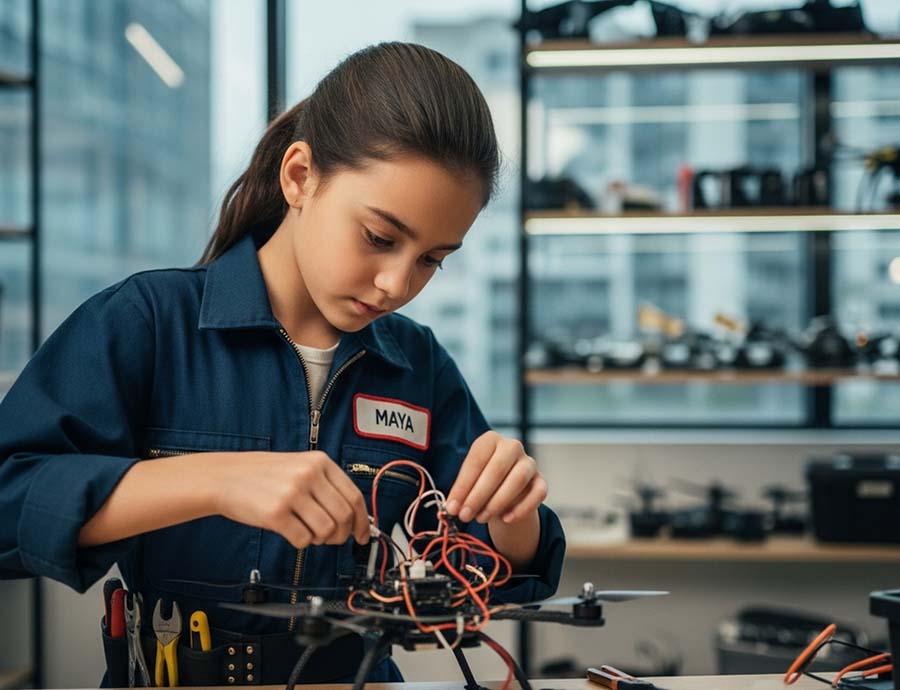
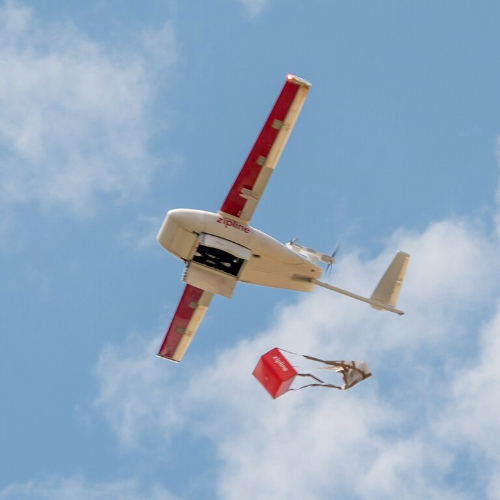
Drone delivery networks are expanding rapidly in both urban and rural areas, creating sustained demand for technicians who can maintain fleets operating at commercial scale around the clock.
Infrastructure inspection using drones is becoming standard practice for bridges, pipelines, power lines, and cell towers, replacing dangerous manual inspections and opening steady work for technicians across the energy and construction sectors.
Climate and environmental monitoring programs are increasingly deploying drone fleets to track deforestation, map flood zones, and monitor wildlife, creating new technician roles in government agencies and conservation organizations.
Education & Certification
Drone systems technicians come to the field through several different paths, and there is no single required route. Some technicians earn associate degrees in unmanned aircraft systems, avionics, or electronics technology through community colleges and technical schools, while others pursue bachelor's degrees in aerospace engineering, electrical engineering, or aviation technology for roles that involve more advanced systems or fleet management. Hands-on experience, whether gained through vocational programs, military training, or independent work with drone systems, is highly valued by employers across the industry. Regardless of the educational path, the FAA Part 107 certification is the industry standard for anyone working with commercial drones professionally, and technicians who add specialized credentials in areas like thermal imaging, LiDAR sensors, or flight management software can significantly expand their career options.
To Prepare...
Study electronics, physics, and basic programming, which form the technical foundation drone systems technicians draw on when diagnosing and repairing aircraft systems.
Consider pursuing coursework in avionics, unmanned systems, or electrical engineering technology at a community college or technical school, many of which offer drone-specific programs designed to prepare students for professional certification.
Explore dual enrollment or early college programs that offer aviation or engineering technology courses while you are still in high school, which can give you a head start on both the technical knowledge and the credentials employers look for.
Spotlight: Explore the Life of a Drone Systems Technician

Explore more resources for a future Drone Systems Technician

Swifsen Drones for Kids with Camera,Rc Drone Indoor Small Helicopter,Birthday Gifts for Boys and Girls Beginners Friendly,Mini Quadcopter Toy With 2 Batteries,Propeller Protect,Altitude Hold
Why We Picked It
Career Connection
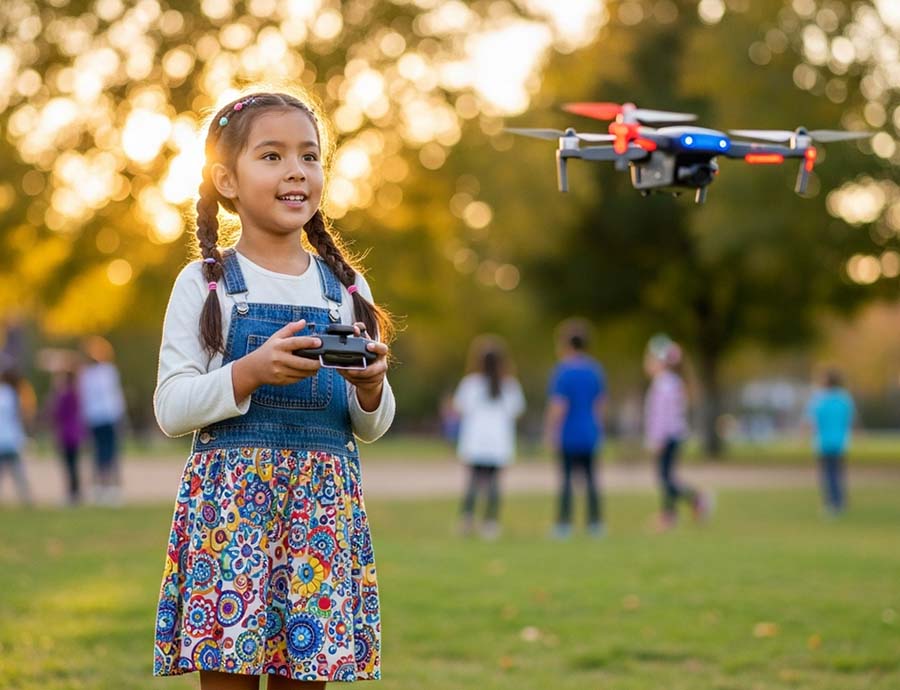
Drone systems technicians calibrate, test, and maintain the machines that make flight possible, and getting hands-on experience flying a real drone gives young people an intuitive feel for the control, responsiveness, and precision the work demands.