
Did You Know?
America's first 911 call, made on February 16, 1968, in Haleyville, Alabama, only traveled from one room of City Hall to another. Congressman Tom Bevill answered it with a simple "Hello" on a bright red phone.
What 911 Dispatchers Really Do
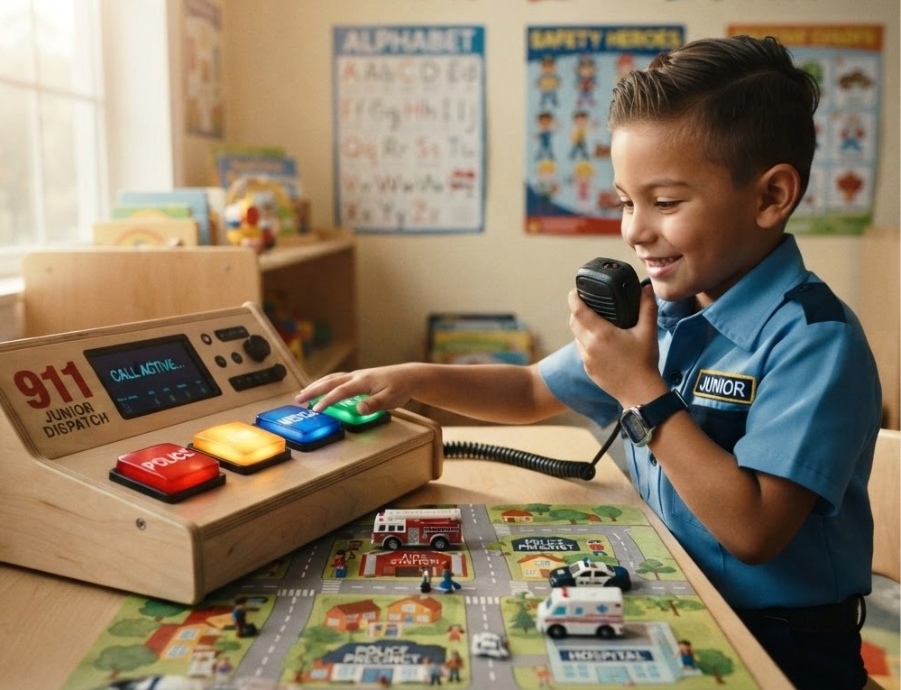
It is late afternoon, and your phone line lights up with a call from a boy who says he smells smoke in his kitchen. You use your calmest voice and ask, "What is your address?" and "Is everyone outside?" while your fingers type the answers into your computer. In seconds, you send a fire truck, and you tell the boy to stay outside and stay on the line with you. You keep talking in a steady, friendly voice until you hear sirens in the background. When the firefighters arrive, you tell the boy they are there. Then, you get ready for the next call.
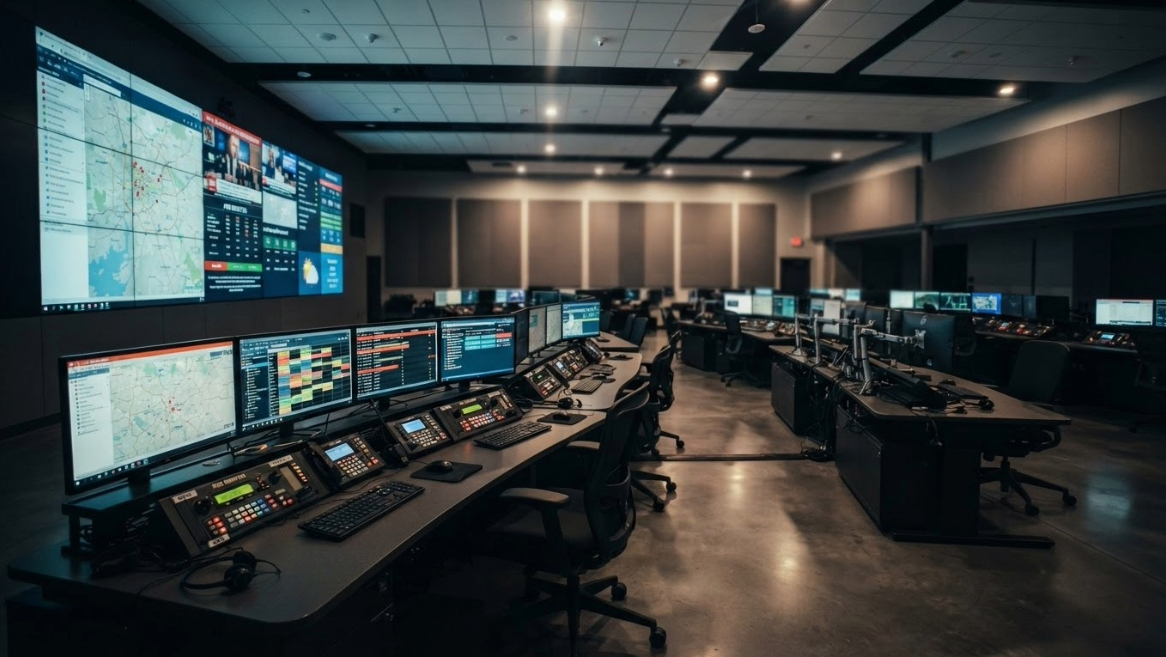
911 dispatchers answer calls from people who need help and send the right police, firefighters, or ambulance to the right place. They are the first people to hear about an emergency, and their voices help people feel calm. A dispatcher works with a map, a computer, and a headset, and they listen carefully for small details like a street name or a sound in the background. They work around the clock, so someone is always ready to answer, even at night and on holidays. If you like helping people, staying calm when others feel scared, and listening closely, you might already be thinking like a 911 dispatcher.
You Might Love This If...
Skills That Follow You Everywhere
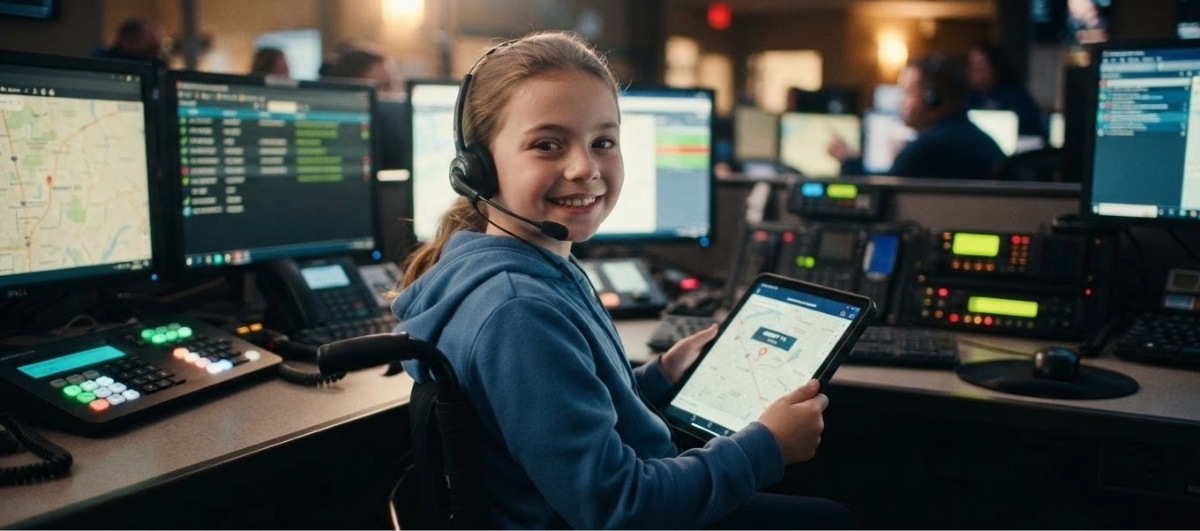
911 dispatchers build skills that matter far beyond the headset. They learn to listen to the whole story, size up a situation before they act, and stay steady when the next call is just as hard as the last one. Callers rely on their voice from the very first second.
Critical Thinking
Within seconds of picking up, a dispatcher decides what kind of emergency it is, how serious it is, and which help to send first. They use a map, a computer, and a set of trained questions to check the facts, and they change the plan when a caller adds new information. A call that sounds small can turn out to be big, so they keep asking until the picture is clear.
Resilience
Dispatchers hear hard things, and a calm call can be followed by a frightening one without a break in between. They take a breath, finish their notes, and answer the next line with the same steady voice. They lean on their teammates, who understand the job better than anyone.
Communication
A 911 dispatcher listens for the address, the problem, and the small details a caller might not think to say, like a sound in the background. They ask one clear question at a time and repeat key information back so nothing gets missed. When responders are on the way, they pass along exactly what the crew needs to know in just a few words.