
Did You Know?
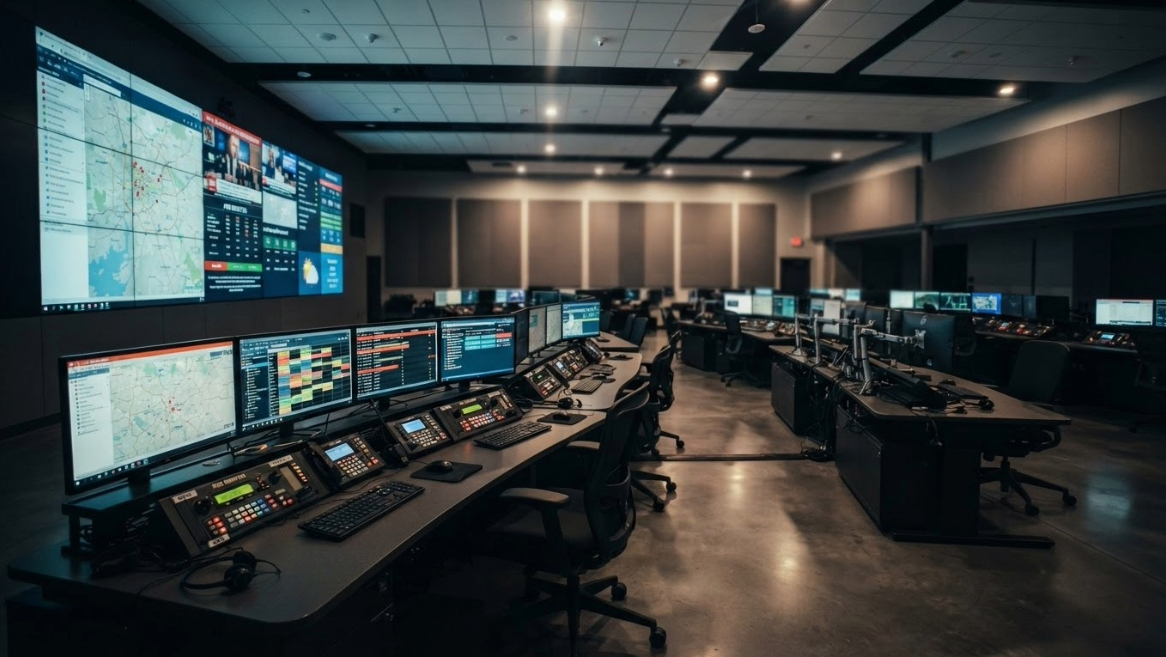
America's first 911 call, made on February 16, 1968, in Haleyville, Alabama, only traveled from one room of City Hall to another. Congressman Tom Bevill answered it with a simple "Hello" on a bright red phone.
How to Get Started
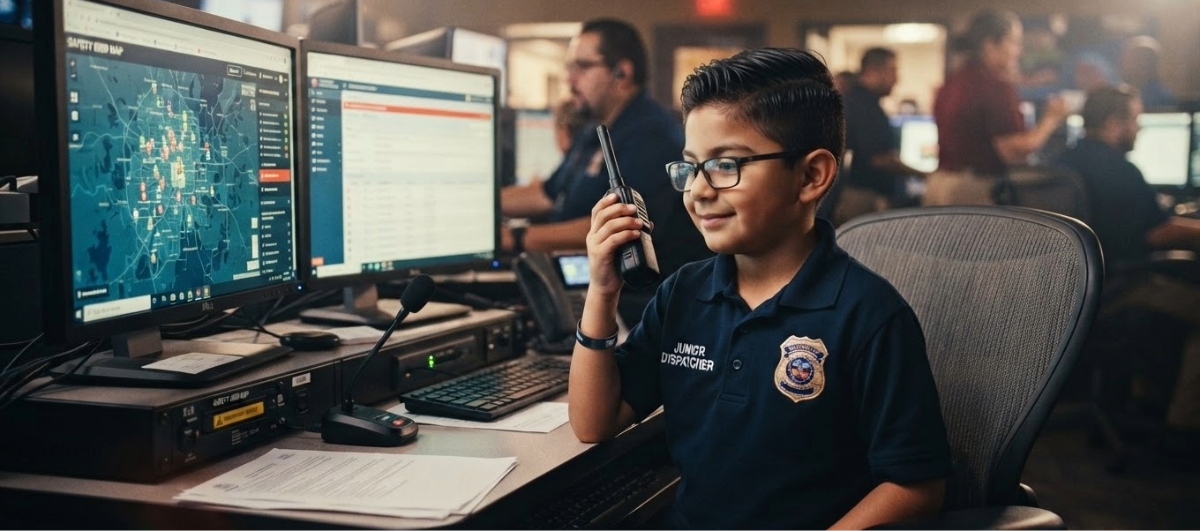
Starting as a future 911 dispatcher means learning to listen closely, speak clearly, and stay calm when someone needs help. Describing where you are and noticing small details like sounds and street names are early steps. Every dispatcher started by learning what to say when a call comes in.
Explore the Basics
With a grown-up, talk about when to call 911, like when someone is badly hurt, there is a fire, or you are in danger. Practice saying your full name, a grown-up's name, your phone number, and your address out loud until you know them by heart. Never call 911 just to practice, and if you ever call by accident, stay on the line and tell the person who answers that it was a mistake.
Try It Out
Draw a simple map of your street or neighborhood with a few landmarks, like a park, a store, and a mailbox. Have a friend or family member describe where they are using only landmarks, and find the spot on your map. Switch roles and see who found the location fastest.
Join the Community
With a grown-up, look for a community event where police, fire, and 911 staff meet families, like a safety fair, a fire station open house, or National Night Out. Ask whether anyone from the 911 center will be there, and prepare one question for them. Write down what you learn and share it at home.