Did You Know?
America's first 911 call, made on February 16, 1968, in Haleyville, Alabama, only traveled from one room of City Hall to another. Congressman Tom Bevill answered it with a simple "Hello" on a bright red phone.
The Numbers Behind the Career
About 9,000 public safety telecommunicator job openings are projected each year over the next decade.
There were about 105,600 public safety telecommunicator jobs in the U.S. as of 2025.
The median salary for public safety telecommunicators in the U.S. as of 2025 was $53,040.
Where This Career Is Headed
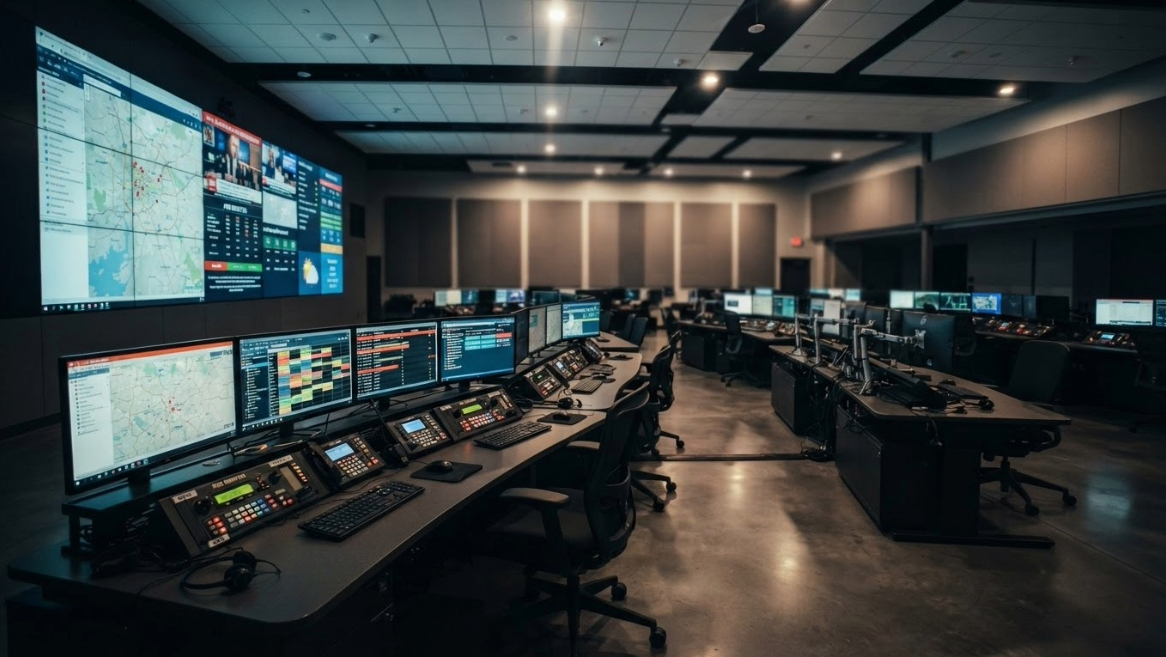
Over the next ten years, self-driving cars, smart homes, and body sensors may spot emergencies and call 911 before a person can reach a phone, so dispatchers could start work before anyone says a word. Whole cities could have a live digital map showing traffic, weather, and open ambulances, and software could clear traffic lights for responders along the fastest route. Callers could share live video, health information, and a building's floor plan with a dispatcher in one tap, so crews arrive knowing what to expect. AI could answer routine and non-emergency calls, handle many languages at once, and flag the calls that need a person most, leaving dispatchers to handle the hardest ones. As machines get better at sounding human, dispatchers may also need to tell real voices from fake ones, which could make a trained human ear more valuable, not less.
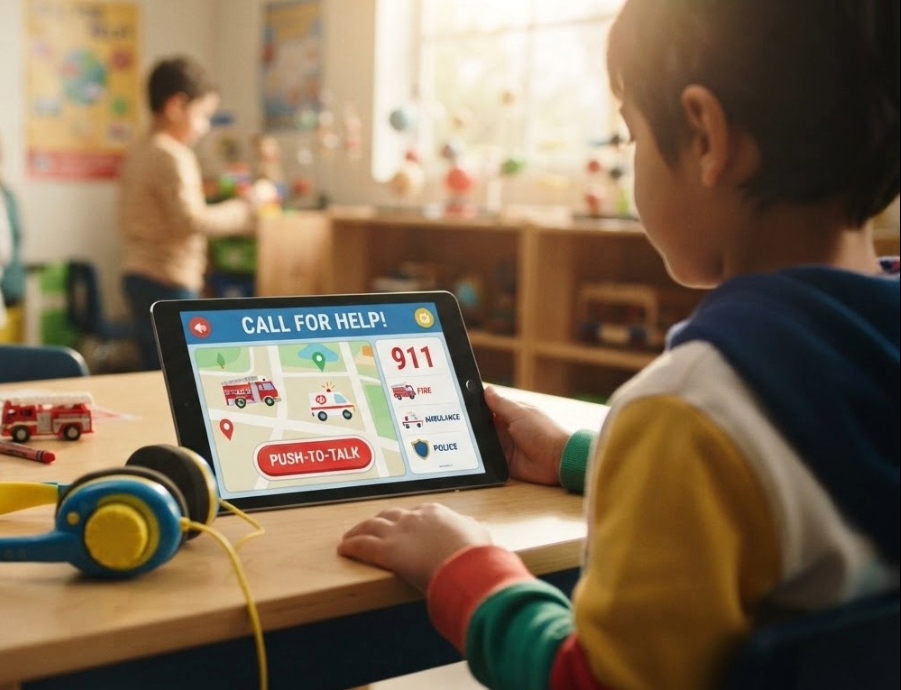
Dispatchers who master live video, mapping, and shared data could guide responders and callers from the headset.
More extreme weather may call for dispatchers who specialize in coordinating many agencies during floods, fires, and storms.
Communities may send more mental health and non-emergency calls to specially trained teams, creating new specialties for dispatchers who connect callers with the right help.

Education & Certification
911 dispatchers typically need a high school diploma or equivalent, and no college degree is required to start. Most of the learning happens on the job. Training requirements and length vary by state and locality, and new hires often take a classroom course, shadow experienced dispatchers, and then complete a probation period that typically lasts about a year. Many states and localities require certification, such as Emergency Medical Dispatcher (EMD) certification, which prepares dispatchers to guide callers through medical care over the phone. Employers usually require a typing test, and some also require a background check, drug test, and hearing and vision tests. Extra training and certifications can lead to jobs as senior dispatchers and supervisors. You can start building the foundation right now by practicing typing, speaking clearly, and staying calm when things get busy.
To Prepare...
Take English, speech, and typing or keyboarding classes, and a second language if you can, since the job requires clear speaking and fast, accurate typing.
Learn CPR when you are old enough to take a class, since many dispatchers coach callers through CPR over the phone.
Look for ways to practice helping people and staying calm, like volunteering, a youth first aid or safety club, or a fire department youth program if your community has one.