
Did You Know?
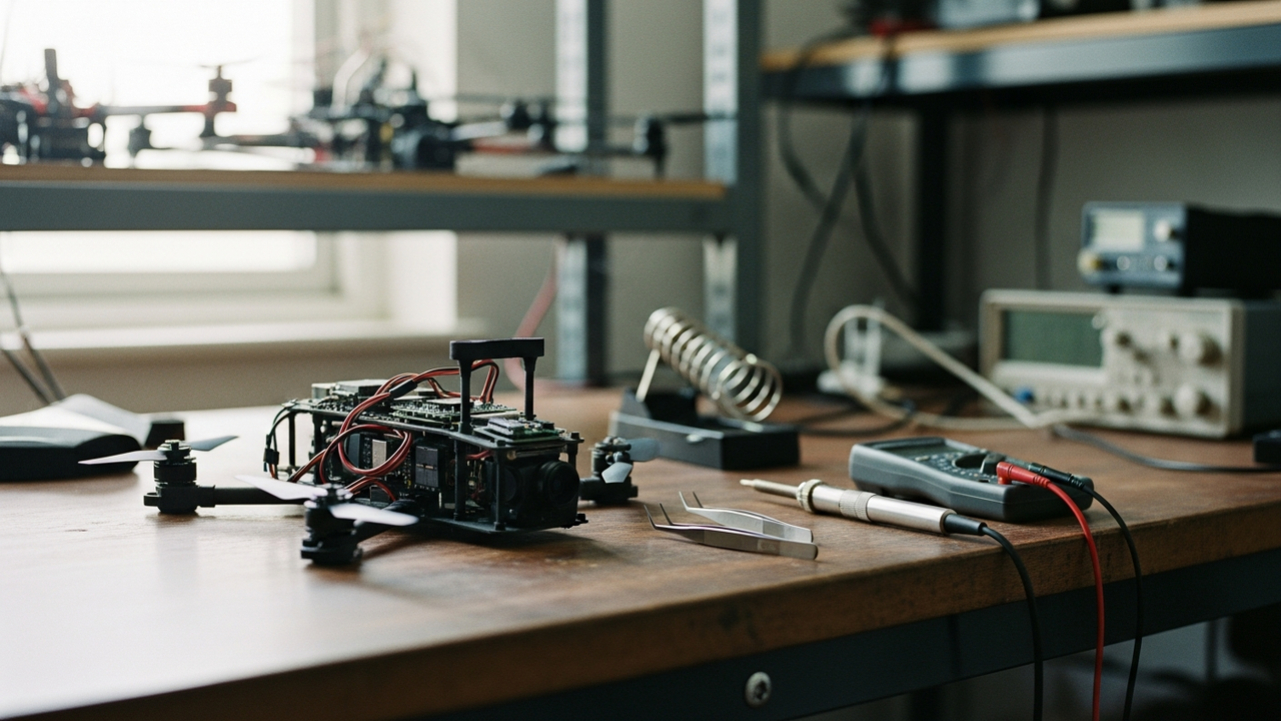
A commercial drone inspection of a wind turbine takes about thirty minutes. The same inspection done by a human climbing the turbine takes several hours and carries significant safety risks. Drone technicians have made wind energy maintenance faster, safer, and dramatically cheaper.
What Drone Systems Technicians Really Do
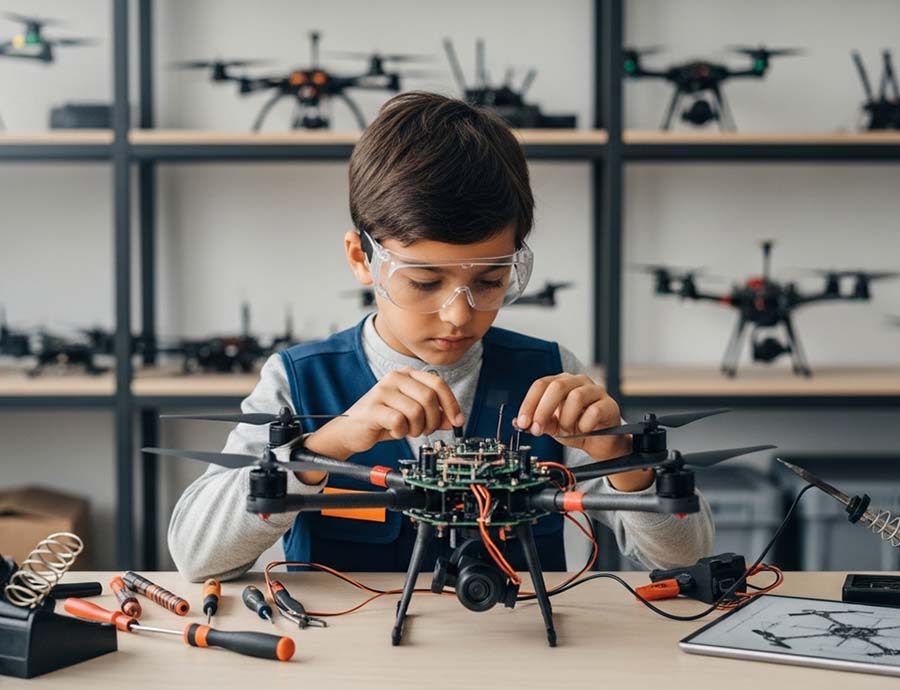
When a farmer needs to check on thousands of acres of crops without walking every row, when a firefighter needs to see what is happening on the other side of a burning building, or when a movie director wants a sweeping aerial shot without renting a helicopter, they call on a drone systems technician. Drone systems technicians are the people who keep drones flying safely and reliably. They build, maintain, repair, and test the unmanned aircraft that are changing how we farm, film, inspect, deliver, and explore the world.
Being a drone systems technician means understanding how machines work from the inside out. You learn about motors, batteries, sensors, cameras, and the software that ties it all together. You run pre-flight checks to make sure every system is working before a drone leaves the ground, and you troubleshoot problems when something goes wrong. If you love taking things apart to see how they work, enjoy building and fixing gadgets, and like the idea of being the person behind some of the most exciting technology in the sky, drone systems technician might be exactly the right fit.
You Might Love This If...
Skills That Follow You Everywhere
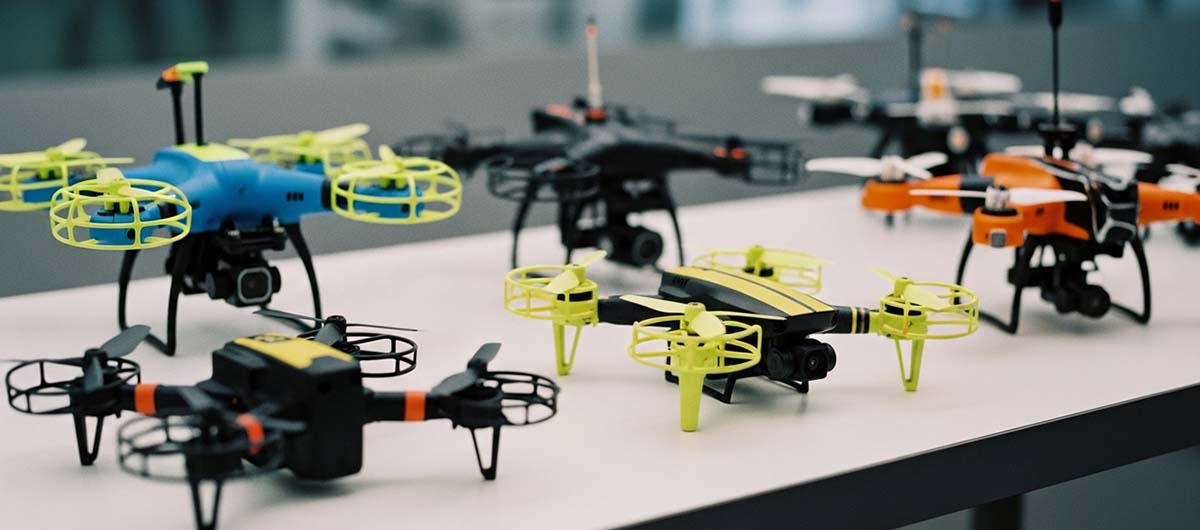
Drone systems technicians develop skills that extend far beyond motors, batteries, and flight software. They learn to coordinate closely with the people counting on their work, manage their time and equipment under real pressure, and keep complex systems running through careful attention to detail. These abilities are valuable in any technical field, any team environment, and any career where the stakes of getting it wrong are visible and immediate.
Time Management
Drones operate on schedules that do not have much flexibility -- a battery has a finite flight time, a film crew has a narrow window of golden-hour light, and a search and rescue team needs aerial imagery now, not in an hour. Drone systems technicians learn to work efficiently under time pressure, prioritizing what needs to happen first and making smart decisions about when a system is ready to fly and when it needs more time on the ground. Managing time well in this field is not just about productivity; it is about making sure the right call gets made at the right moment.
Teamwork
Drone systems technicians coordinate with operators, site managers, clients, and sometimes emergency responders, each of whom is counting on the technician to have the aircraft ready, reliable, and performing exactly as needed. Good teamwork means communicating clearly about what a system can and cannot do, flagging problems before they become emergencies, and understanding that your piece of the work directly affects everyone else's. On a wildfire response or a time-sensitive construction survey, the team is only as effective as the trust they have in each other.
Organization
A drone systems technician's pre-flight checklist is not a suggestion. Every propeller, battery, sensor, and software update has to be verified and logged before an aircraft leaves the ground, and a missed step can mean a crashed drone, a failed mission, or a safety incident. Organization in this field means building systems that make sure nothing falls through the cracks, maintaining meticulous records across an entire fleet, and approaching every inspection with the same thoroughness, whether it is the first flight of the day or the sixth.
Explore more resources for a future Drone Systems Technician

Swifsen Drones for Kids with Camera,Rc Drone Indoor Small Helicopter,Birthday Gifts for Boys and Girls Beginners Friendly,Mini Quadcopter Toy With 2 Batteries,Propeller Protect,Altitude Hold
Why We Picked It
Career Connection
Drone systems technicians calibrate, test, and maintain the machines that make flight possible, and getting hands-on experience flying a real drone gives young people an intuitive feel for the control, responsiveness, and precision the work demands.