
Imagine
Pilot
Imaginative careers illustration
DiscoverExploreExperience
The white lines you see trailing behind airplanes in the sky are actually tiny clouds. The engines release hot, moist air that instantly freezes in the cold atmosphere, creating long streaks of ice crystals called contrails.
career image

About Pilot

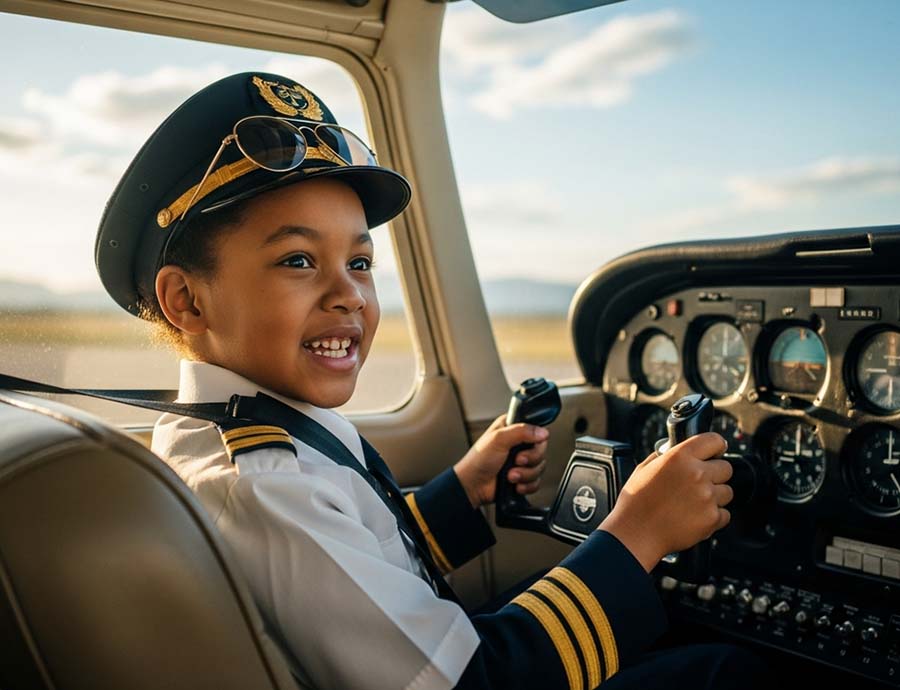
You are sitting in the cockpit of a huge airplane, and the runway stretches out ahead of you like a long, straight road. You push the throttle forward, the engines roar to life, and the plane starts moving faster and faster until suddenly your wheels leave the ground and you are climbing straight up through the clouds. Out your window, the houses, cars, and trees below shrink until they look like tiny toys, and all you can see is blue sky in every direction. This is what a pilot feels every time they take off. Pilots are the people trusted to fly airplanes safely through the sky, carrying passengers and cargo to places all over the world.


Being a pilot starts with curiosity about how things fly and a love of exploring. Pilots study weather, read maps, and plan every detail of a trip before they ever leave the ground. They stay calm when things get difficult, talk clearly with their team, and follow careful steps to make sure everyone arrives safely. If you love looking up at airplanes and wondering where they are going, asking how things work, or dreaming about seeing the world from above the clouds, you are already thinking like a pilot.
 

You Might Love This If...

  • Following steps carefully and checking things twice before starting a project feels natural to you.
  • Imagining yourself traveling to faraway places and exploring new parts of the world sounds like an adventure.
  • Looking up at airplanes and wondering how they fly and where they are going excites you.
  • Building model airplanes, paper planes, or anything that soars through the air is one of your favorite things to do.

Explore more resources for a future Pilot:
career image

More Than a Job

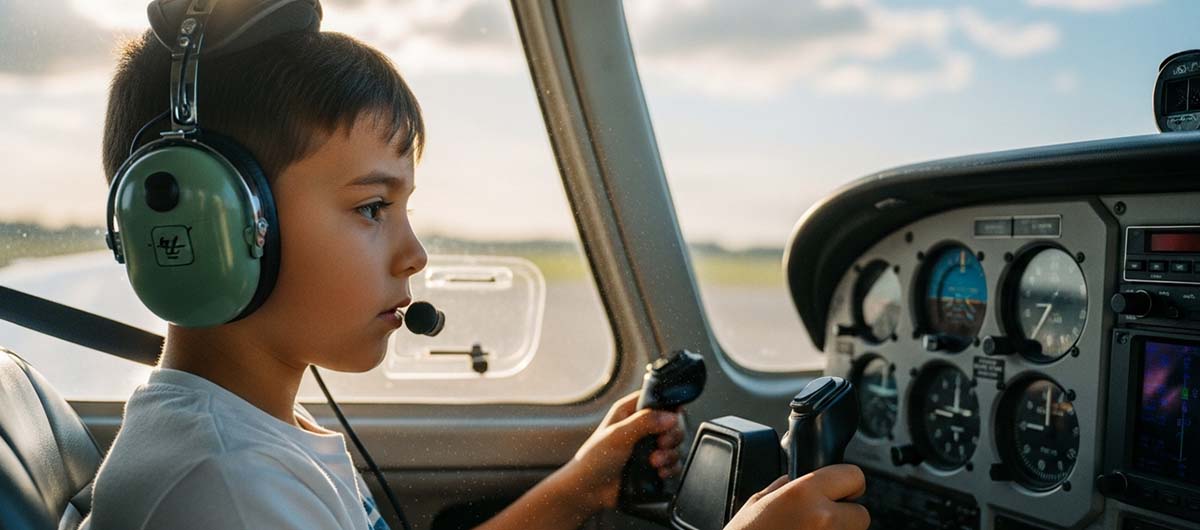
Being a pilot develops skills that reach far beyond the cockpit. Pilots learn to solve problems under pressure, communicate with precision, and work as part of a team where trust and coordination are essential. These abilities are valuable in any leadership role, business, or team environment.

Teamwork

Every flight depends on seamless coordination between the captain, first officer, cabin crew, air traffic controllers, and ground teams. Pilots train extensively in crew resource management, a structured approach to sharing information, cross-checking decisions, and speaking up when something does not look right, because a single person missing a detail at the wrong moment can have serious consequences. Learning to trust your teammates, delegate effectively, and put the safety of the operation above individual ego builds teamwork skills that are powerful in any profession.

Problem-solving

Pilots face situations that demand fast, effective solutions. An unexpected weather system, a mechanical alert mid-flight, or a diversion to an alternate airport all require a pilot to assess the situation, evaluate options, and act decisively. Pilots are trained to work through problems methodically, using checklists and crew coordination to find the best path forward even when time is limited. This structured approach to problem-solving builds a mindset that transfers directly to business, emergency management, and any role where quick thinking under pressure matters.

Communication

Clear communication is a matter of safety in aviation. Pilots exchange precise information with air traffic controllers, coordinate continuously with their co-pilot and cabin crew, and brief passengers during flights. Miscommunication in the cockpit can have serious consequences, so pilots learn to speak clearly, listen carefully, and confirm understanding before acting. These communication habits build skills essential to leadership, healthcare, public safety, and any profession where information accuracy matters
Continue Your Journey