Did You Know?
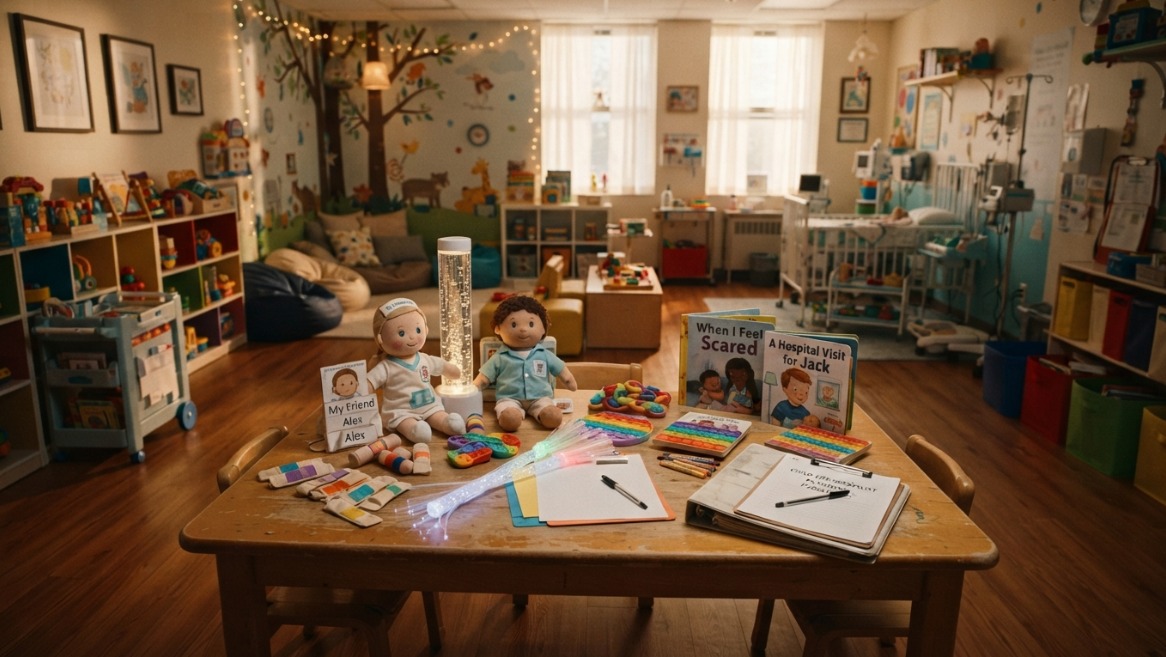
Blowing bubbles during a needle poke is not just a distraction trick. The slow exhale actually triggers the body's relaxation response and can reduce how much pain a child feels, and the same principle works with pinwheels or pretend birthday candles.
The Numbers Behind the Career
There were about 15,600 recreational therapist jobs in the U.S. in 2025 with hospitals being the largest employer.
About 1,400 openings for recreational therapist are projected each year over the next decade.
The median annual salary for recreational therapist was $61,960.
Where This Career Is Headed
Over the next decade, child life specialists will likely expand beyond hospitals, with formally funded, permanent positions opening in settings like courtrooms, immigration processing centers, and refugee resettlement programs, places where children face frightening, high-stress situations today without any dedicated support built into the system. Some specialists will push for formal state licensure, similar to nursing or social work, which would create legal standards for the role and open the door to steady funding these newer settings currently lack. As insurance reimbursement for child life services becomes more standardized, hospitals may be able to justify hiring specialists into roles that today exist only through grants or donor funding, making the position more secure and widespread. Existing tools like VR distraction will likely evolve to respond to a child in real time, automatically adjusting the experience based on the child's stress signals instead of playing a fixed program.
As formal state licensure develops for child life specialists, similar to standards already in place for nurses and social workers, the role could gain legal recognition and steadier funding than the grant-based arrangements many positions rely on today.
Standardized insurance reimbursement for child life services could turn hospital positions that today exist only through grants or donor funding into permanent, budgeted roles.
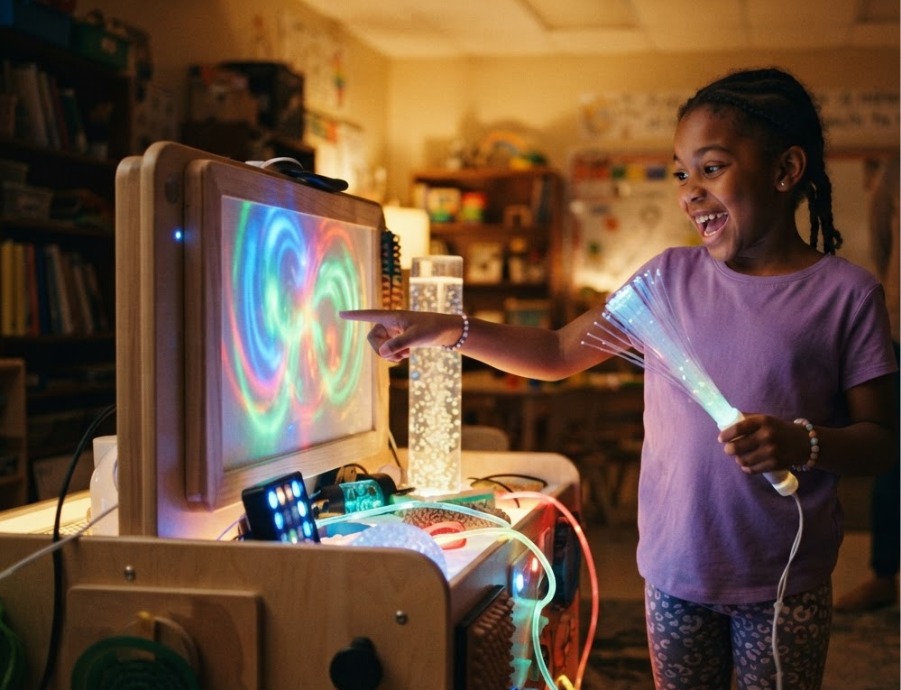
VR and biometric technology will likely evolve to respond to a child in real time, automatically adjusting a calming experience based on heart rate or stress signals rather than playing a fixed program.
Education & Certification
Most child life specialists start with a bachelor's degree in child development, psychology, early childhood education, or a related field, which typically takes four years and includes coursework in child psychology, family systems, and grief and loss. Nearly every children's hospital requires the Certified Child Life Specialist (CCLS) credential, which involves completing a supervised clinical internship of at least 600 hours, passing a national certification exam, and pursuing continuing education to maintain it.
Those clinical hours usually require an internship at a hospital, which is often competitive and can take extra time to secure after finishing a degree. Some universities offer specific child life coursework or concentrations that make the path into an internship more direct, though a general degree in psychology or child development combined with the right coursework and internship can also lead there. The path takes real persistence, since between the degree, the internship, and the certification exam, most people spend four to six years preparing before they are working independently in the role.
To Prepare:
Take psychology, child development, or family and consumer science courses if your school offers them, since this coursework builds the foundation the degree will be based on later.
Look for opportunities to volunteer or help with younger kids, such as being a camp counselor, coaching a youth sports team, or working in a school aftercare program, to build direct experience communicating with children of different ages.
Research colleges with a child life program or a psychology or child development major that includes relevant coursework, since choosing the right undergraduate path early makes the internship and certification process more direct later.