
Did You Know?
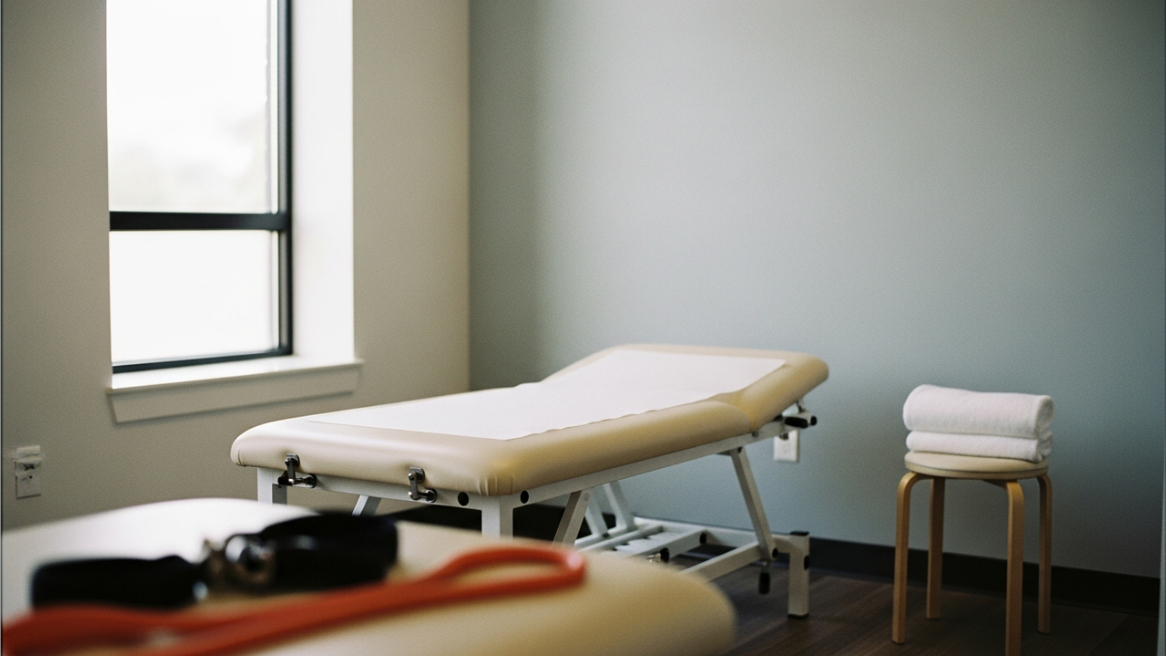
Physical therapists can specialize in fields as unexpected as treating premature infants in neonatal intensive care units, helping astronauts recover from the physical effects of spaceflight, or working with performing artists like dancers and musicians whose bodies are their instruments.
What Physical Therapists Really Do
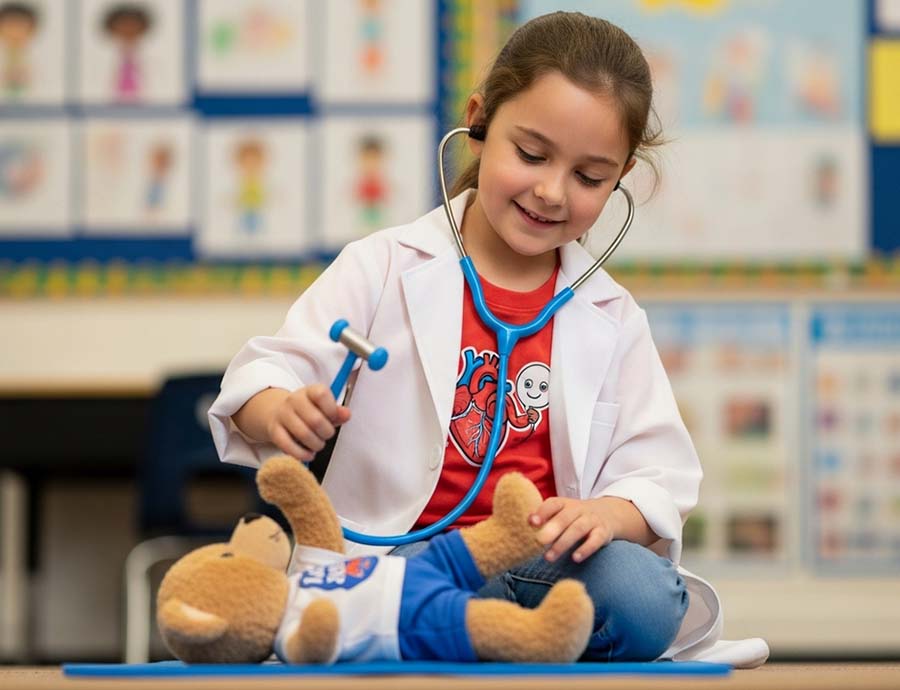
The padded table crinkles as your patient sits down, cradling her wrist and trying not to cry. She is eight years old. She fell off the monkey bars two weeks ago and has not been able to write, draw, or play since. You ask her what she misses most. She says drawing horses. You make a note, because that is exactly what you are going to help her get back to. Physical therapists are healthcare professionals who help people of all ages recover from injuries, surgeries, and illnesses that make it hard to move and do the things they love. Every treatment plan starts with understanding what matters most to that specific person.
What makes physical therapy special is that you get to watch people go from hurting and stuck to strong and back in their lives, sometimes in just a few weeks. One day you might be helping a little kid grip a pencil again after an injury. Next, you are showing a grandparent how to climb stairs without pain, or helping a soccer player return to the field after a knee surgery. The body is an endlessly fascinating puzzle, and physical therapists are the people who figure out how to put it back together. If you love science, enjoy helping people through hard moments, and want to see real results from your work every single day, you might already be thinking like a physical therapist.
You Might Love This If...
Skills That Follow You Everywhere
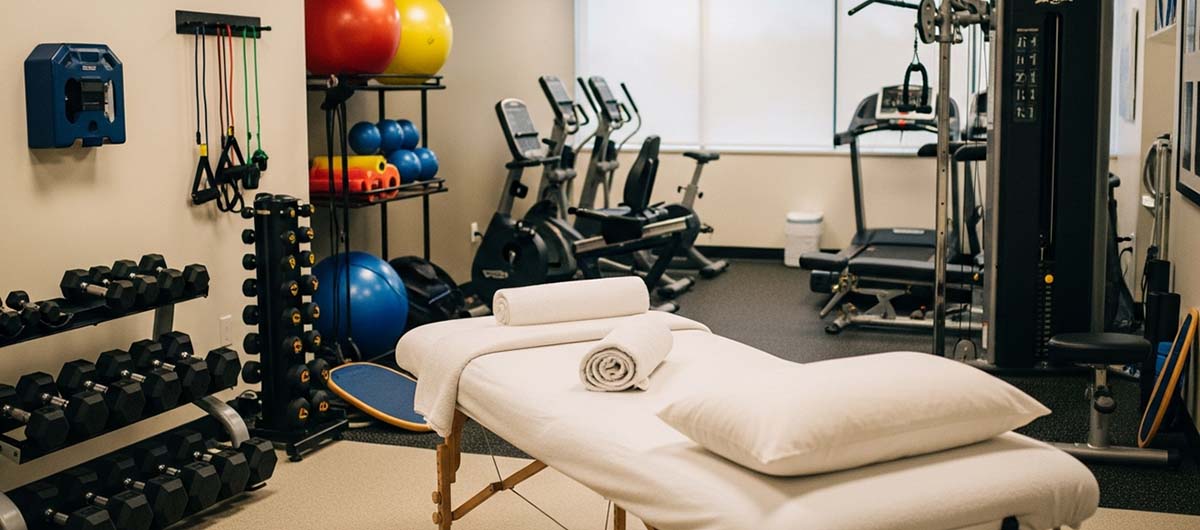
Physical therapists develop skills that reach far beyond anatomy charts and exercise progressions. They learn to understand what their patients are going through emotionally and physically, communicate complex clinical findings in ways that motivate rather than overwhelm, and think through layered problems in which the source of pain is rarely where it appears. These abilities are valuable in any career that requires genuine human connection, clear communication under pressure, and thinking that seeks root causes rather than quick fixes.
Problem-Solving
The knee that hurts is rarely just a knee problem. Physical therapists are trained to look upstream, tracing pain and dysfunction back to its source through movement analysis, strength testing, and careful observation. This kind of structured, evidence-based problem-solving is what separates physical therapy from simply prescribing rest, and it is what gets patients back to their lives.
Communication
Physical therapists must communicate clearly and precisely with physicians, surgeons, and nurses, and then turn around and explain the same clinical picture to a frightened patient in language that feels accessible rather than technical. The ability to move fluently between those two registers, precise with colleagues and warm with patients, is one of the most important skills a physical therapist develops. Strong communication is what keeps care teams aligned and patients motivated through the hardest parts of recovery.
Empathy
A patient recovering from a stroke is not just relearning how to use her arm. She is grieving the version of herself that existed before, and her progress depends as much on feeling understood as on the exercises she is given. Empathy in PT is not just kindness. It is a clinical skill that builds the trust patients need to push through pain, show up consistently, and believe that recovery is possible.
Explore more resources for a future Physical Therapist

Become a Physical Therapist: A Comprehensive Step-by-Step Guide for Aspiring Physical Therapists
Gray, Brandon
Why We Picked It
Career Connection
Physical therapists complete rigorous doctoral programs before they can practice, and this guide maps that path in detail, giving motivated older students the roadmap they need to begin preparing for one of healthcare's fastest-growing and most rewarding careers.

Polio: An American Story
Oshinsky, David M.
Why We Picked It
Career Connection
Physical therapists built much of their professional toolkit in the polio wards of mid-century America, and understanding the scale and urgency of the epidemic that shaped the profession gives serious students of PT the historical foundation their field deserves.

My Mommy is a Physical Therapist
Miele, Donna
Why We Picked It
Career Connection
Physical therapists help people regain movement and reduce pain through skilled, personalized treatment, and this book introduces that hands-on, compassionate work in the warmest and most accessible terms possible for the youngest readers.