

Did You Know?
Physical therapists can specialize in fields as unexpected as treating premature infants in neonatal intensive care units, helping astronauts recover from the physical effects of spaceflight, or working with performing artists like dancers and musicians whose bodies are their instruments.
The Numbers Behind the Career
About 13,200 physical therapist job openings are projected annually over the next decade.
There were about 267,200 physical therapist jobs in the U.S. in 2024.
The 2024 median annual salary for physical therapist was $101,020.
Where This Career Is Headed
Physical therapy is entering a period of significant expansion driven by an aging population, growing evidence supporting PT as a first-line treatment for pain and movement dysfunction, and the rapid integration of technology into rehabilitation practice. Telehealth platforms are extending PT services to patients in rural and underserved communities who previously had limited access to care, while wearable sensors and motion-capture technology are enabling therapists to track patient movement and progress with unprecedented precision.
As the profession continues to grow in clinical authority and public recognition, physical therapists are increasingly practicing as primary care providers for musculoskeletal conditions rather than as referral-dependent specialists.

An aging Baby Boomer population will drive sustained demand for physical therapists specializing in orthopedics, balance rehabilitation, and age-related movement disorders over the next decade.
The expansion of telehealth and remote monitoring technology will enable physical therapists to reach patients farther away and deliver more data-driven, personalized care than ever before.
Growing recognition of PT as a cost-effective alternative to surgery and opioid medication is expanding the profession's role in primary care settings, employer wellness programs, and integrated health systems.

Education & Certification
Becoming a physical therapist requires a Doctor of Physical Therapy (DPT) degree, which is the entry-level credential for the profession in the United States. DPT programs typically take three years to complete after earning a bachelor's degree, and admission is competitive, with most programs requiring prerequisite coursework in biology, chemistry, physics, psychology, and anatomy, as well as strong academic performance and clinical observation hours. Programs combine classroom instruction in areas like musculoskeletal anatomy, neuroscience, biomechanics, and pharmacology with extensive hands-on clinical rotations in hospitals, outpatient clinics, and rehabilitation centers. After graduating, physical therapists must pass the National Physical Therapy Examination (NPTE) to obtain licensure in their state before practicing independently.
Beyond the core license, many physical therapists pursue board certification in a clinical specialty through the American Board of Physical Therapy Specialties. Specialty areas include orthopedics, sports, neurology, pediatrics, geriatrics, cardiopulmonary care, and women's health, among others. These certifications require additional clinical experience and a rigorous examination, and they signal advanced expertise to employers and patients. While specialty certification is optional, it is increasingly valued in competitive clinical settings and can meaningfully expand both career opportunities and earning potential.
To Prepare...
Take rigorous courses in biology, chemistry, and physics, as these subjects form the direct academic foundation for DPT program prerequisites and the science behind physical therapy practice.
Seek out anatomy, physiology, or sports medicine electives if your school offers them, as early exposure to how the body moves and functions builds intuition that PT students draw on throughout their training.
Take physical education seriously and pursue athletic training, sports, or fitness-related electives if available, as firsthand experience with how the body performs, fatigues, and recovers under physical demand builds exactly the kind of body awareness that physical therapists develop and apply clinically.
Spotlight: Explore the Life of a Physical Therapist
Explore more resources for a future Physical Therapist

SO YOU WANT TO BE A THERAPIST? How to become a Physical or Occupational Therapist
Painter, Dr. Kirk G
Why We Picked It
Career Connection
Physical therapists enter their profession through one of healthcare's most rigorous training pipelines, and this guide gives older students an honest, current picture of what that process involves and what they can do now to build the strongest possible application.

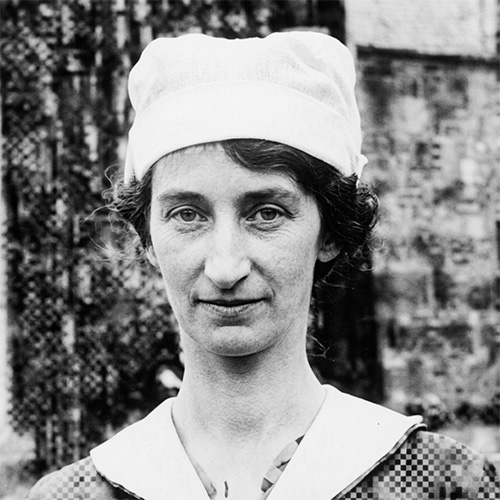
Mary McMillan ~ The Mother of Physical Therapy
Farrell, Mary | Mobley, Marta M.
Why We Picked It
Career Connection
Physical therapists today owe their professional identity, clinical standards, and credentialing structure to Mary McMillan, and understanding her story reveals what it took for one dedicated individual to build a healthcare profession from the ground up.

My Mommy is a Physical Therapist
Miele, Donna
Why We Picked It
Career Connection
Physical therapists help people regain movement and reduce pain through skilled, personalized treatment, and this book introduces that hands-on, compassionate work in the warmest and most accessible terms possible for the youngest readers.