

Did You Know?
Occupational therapists sometimes prescribe video games as "homework," using motion-controlled games to help patients practice balance, coordination, or hand strength.
What Occupational Therapists Really Do
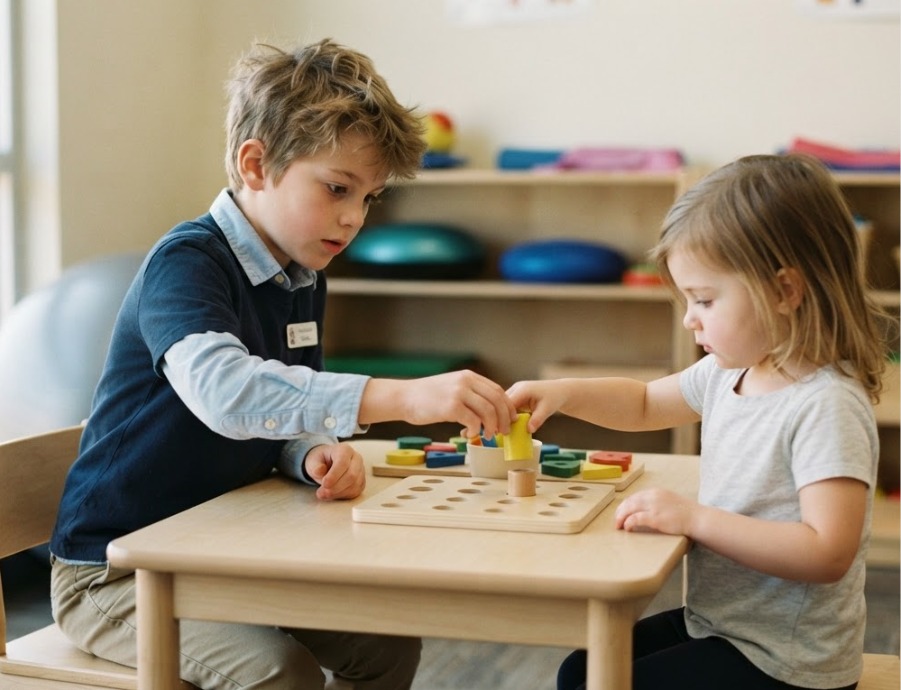
Imagine helping a friend learn to tie their shoes, hold a pencil the right way, or feel brave enough to try the swings again after getting hurt. That is what an occupational therapist does every day. They help people of all ages, from babies to grandparents, learn or relearn the everyday skills that make life easier and more fun. Sometimes that means practicing writing letters. Sometimes it means learning a new way to get dressed after an injury. Occupational therapists are patient problem solvers who cheer people on every step of the way.
Thinking like an occupational therapist starts with noticing what makes daily life tricky for someone and coming up with a creative way to help. Why does buttoning a shirt feel hard for some kids? What game could help someone practice using their hands? Occupational therapists love turning ordinary moments, like snack time or recess, into chances to build important skills. If you enjoy helping a friend figure something out, inventing games, or coming up with clever solutions to everyday problems, you are already thinking the way occupational therapists think.
You Might Love This If...
Skills That Follow You Everywhere
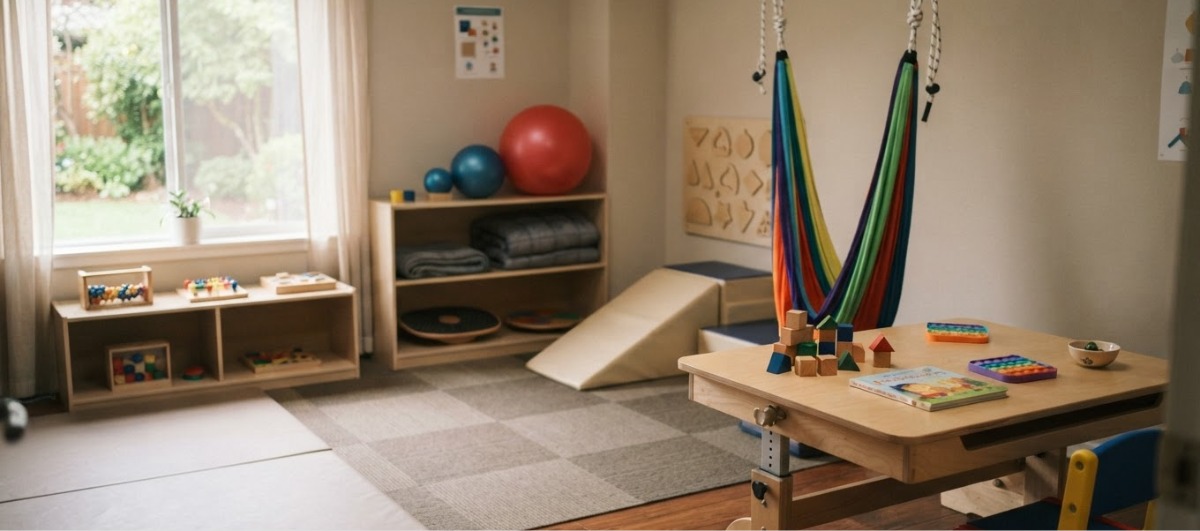
Being an occupational therapist builds skills that reach far beyond therapy sessions. Occupational therapists learn to understand what others are feeling, think creatively under real constraints, and adjust their plans when life throws a curveball. These abilities carry over into any career, relationship, or leadership role.
Adaptability
No two patients respond to therapy the same way, so occupational therapists learn to stay flexible and adjust their plans when something is not working. Being able to adjust to change and think on your feet helps occupational therapists meet each person exactly where they are.
Creativity
Occupational therapists are constantly inventing new ideas and solutions, from a homemade pencil grip to a game that sneaks in hand exercises. This kind of creative thinking, coming up with new ideas and trying things a different way, turns ordinary objects and everyday moments into tools for progress.
Empathy
Occupational therapists practice understanding and managing their own emotions while also recognizing the emotions of others, whether that means encouraging a frustrated child or reassuring a worried caregiver. This kind of emotional intelligence helps patients feel supported through difficult moments and builds the trust that makes progress possible.