

Did You Know?
Occupational therapists sometimes prescribe video games as "homework," using motion-controlled games to help patients practice balance, coordination, or hand strength.
How to Get Started
Getting started in occupational therapy begins with curiosity about people, a willingness to help others solve everyday problems, and comfort working closely with others. The path from beginner to licensed occupational therapist is well defined, requiring a bachelor's degree followed by a master's or doctoral degree in occupational therapy, supervised fieldwork, and a national certification exam.
Explore the Basics
Learning about occupational therapy can start with simple questions: What makes some everyday tasks, like buttoning a shirt or holding a pencil, tricky for certain people? How can a game or a tool make a hard task easier? Noticing how people use their hands, bodies, and senses to do everyday activities is the first step toward thinking like an occupational therapist.
Try It Out
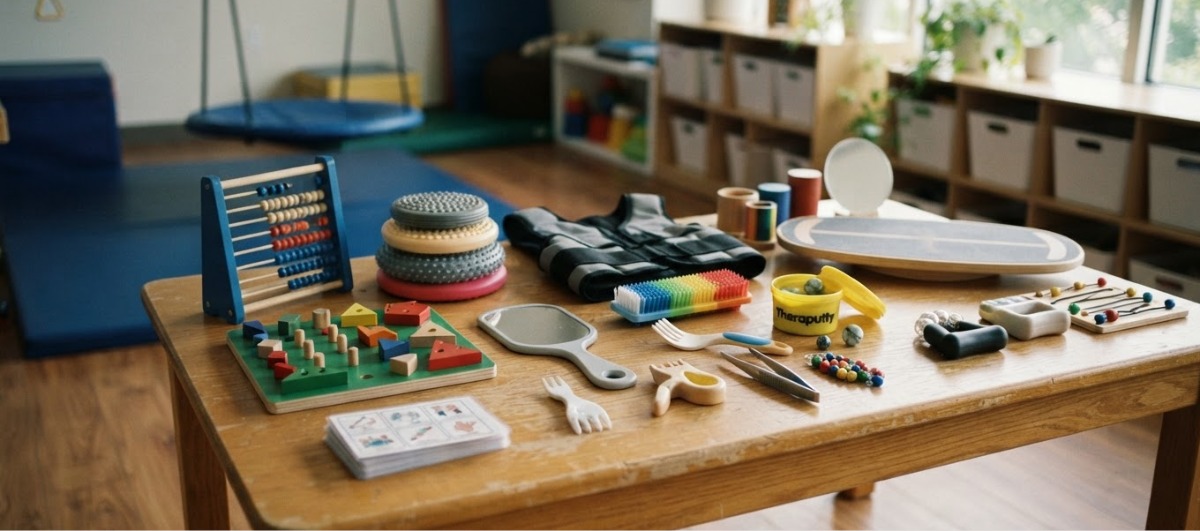
Practice teaching a younger sibling or friend a new skill, like tying shoes or building with blocks, by breaking it into small, simple steps. Try using household items to invent a tool that makes a task easier, like a pencil grip made from foam or tape. These activities build the same creative problem-solving occupational therapists use every day.
Join the Community
Ask a parent or teacher about visiting an occupational therapist at school or a local clinic to see what a session looks like. Community centers and libraries sometimes host events about accessibility and adaptive equipment that can spark curiosity about the field.