

Mary McMillan ~ The Mother of Physical Therapy
Why we picked it
This biography of Mary McMillan, the founder of what became the American Physical Therapy Association, traces the determined life of the woman who organized physical therapy as a formal healthcare profession in the early 20th century.
Our review
As instrumental to physical therapy as Florence Nightingale was to nursing, Mary McMillan knew from an early age she was meant to help people in pain. Born in 1880 and uprooted multiple times, she became the key figure in organizing physical therapy as a formal profession during the first half of the 20th century. This biography traces the fearless life of the woman who founded what would become the APTA.
Careers it connects to
Career pages on ImagineMyFuture that list this resource.
About this book
From the product listing
Mary McMillan : The Mother of PhysicalMary McMillan was as instrumental in founding physical therapy, as Florence Nightingale influenced the profession of modern nursing. Mary knew from an early age that she was meant to help, heal, and assist those who were in pain. She was fearless and unafraid to help all who suffered, no matter the peril. Mary was the key figure in organizing the profession of physical therapy in the first half of the twentieth century.Born in America in 1880, she was uprooted to England to live with her aunt at an early age. In college, she trained in physical education and remedial exercises in order to work with patients recovering from orthopedic surgery. In 1910 she worked in Liverpool under the eminent Sir Robert Jones.She returned to the United States in 1915 and became the Director of the Clinic of the Childrens Hospital in Portland, Maine. Two years later, thousands of World War I wounded soldiers needed rehabilitation after the end of the war. She quickly became known and admired by leading orthopedic doctors and was recruited by the United States Surgeon General to form courses in physical reconstruction and therapy. Mary was the first reconstruction aide sworn into the United States Army in February 1918 and shortly thereafter was promoted to Director of Reconstruction Aides, later to be called Physical Therapists.World War I launched a need and ignited the field of physical therapy in America. It allowed women to begin a career in a new profession, one that would make their talents shine by healing tens of thousands of suffering soldiers. Mary taught the United States Armys inaugural class of over 200 women reconstruction aides at Reed College, whose graduates were sent out all over the country to set up hospital wards to rehabilitate the wars wounded soldiers. She would become known by all in her profession as The Mother of Physical Therapy, and a leader of the rapidly growing vocation. Because of Marys hard work, efforts, and teaching, physical therapy would later become an integral part of every medical and physical recovery program for patients in homes, hospitals, clinics, schools, and training facilities around the world.In 1921, Mary wrote the best-selling book, Massage and Therapeutic Exercise, published by W.B. Saunders. She became the principal founder and president of the American Womens Physical Therapeutics Association, known today as the American Physical Therapy Association. At the same time, she was the Director of Physiotherapy at Harvard Medical School Graduate Program for eight years.In 1932, the Rockefeller Foundation appointed her to be the Chief Physiotherapist at Peiping Union Medical College (PUMC) in China until she resigned in 1941.Upon the completion of her nine-year tenure in China, she booked passage back to America the week before the Pearl Harbor attack, but was too late. She was left stranded in Manila as the Japanese invaded the city, which left no chance for her repatriation home. Mary, and over 4,000 other Americans, British, and Dutch faced tragic circumstances, heroic hardships, starvation, and life-threatening health issues during their imprisonment by the Japanese in the Santo Tomas and Chapei Internment Camps from 1941-1944.This heroic story shares, in vivid detail, her triumphant life story in how she endured and survived through it all, never lost faith, and succeeded in her goal to serve the unfortunate as the Mother of Physical Therapy
Resource details
- Resource type
- Book
- Age ranges
- High School
- Careers
- Physical Therapist
Related resources
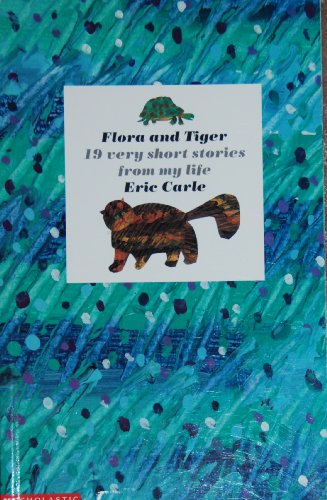
Flora and Tiger: 19 very short stories from my life
Why We Picked It
Nineteen short personal vignettes, each tracing a memory that formed Eric Carle: his father's animals, his father's drawings, his father's stories. A tender, autobiographical glimpse at the life that produced The Very Hungry Caterpillar.

Awesome Construction Activities for Kids
Why We Picked It
This hands-on activity book for ages 5 to 10 guides young builders through cup towers, railroad models, and beyond, introducing construction concepts through projects they fully design and complete themselves.
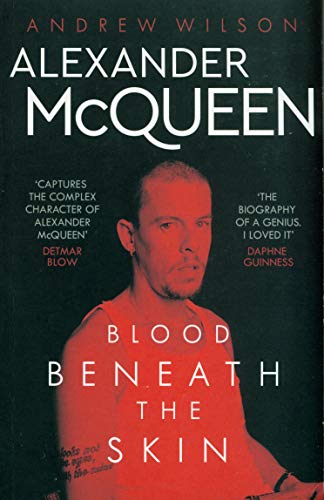
Blood Beneath the Skin
Why We Picked It
This compelling biography explores the brilliance, personal struggles, and fearless creative vision that made Alexander McQueen one of fashion's most original minds.
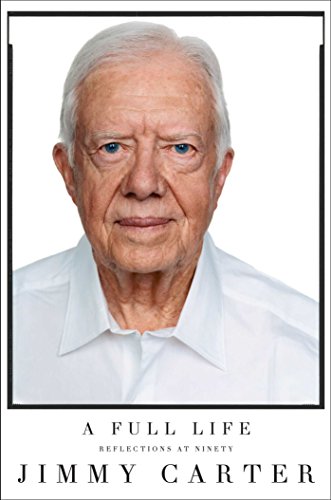
A Full Life: Reflections at Ninety
Why We Picked It
At ninety, Jimmy Carter reflects on his presidency, his faith, his marriage, and his decades of humanitarian work with disarming frankness, making this New York Times bestseller essential reading for high-schoolers studying American political life.