Photo: NIAID, CC BY 2.0 <https://creativecommons.org/licenses/by/2.0>, via Wikimedia Commons
What It Is
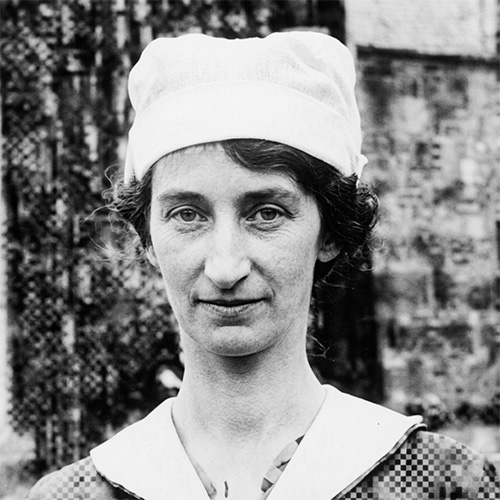
Before a vaccine was developed in 1955, polio was one of the most feared diseases in the world, paralyzing tens of thousands of children and adults every year across the United States alone. At the height of the epidemic in the late 1940s and early 1950s, hospitals were overwhelmed with patients who had lost the ability to move limbs, breathe independently, or walk. The medical community had few tools to offer beyond iron lungs and bed rest. Still, a small group of physical therapists, led by figures like Sister Elizabeth Kenny, began developing hands-on rehabilitation techniques that helped patients retrain their nervous systems and recover movement previously thought permanently lost. The methods they developed under extraordinary pressure, working with thousands of patients in real time, became the foundation of modern neurological and pediatric physical therapy.
Why It Matters
The polio epidemic did not just challenge physical therapists. It created the modern profession. The scale of the crisis forced PT practitioners to develop, test, and refine rehabilitation techniques faster than any peacetime research program could have managed. The results changed what medicine believed was possible for patients with neurological damage. Many of the foundational principles that physical therapists use today to treat stroke survivors, spinal cord injuries, and developmental conditions trace directly back to what was learned during the polio years. For young people, the polio rehabilitation movement is a reminder that some of the most important medical advances in history came not from laboratories but from clinicians working directly with patients and refusing to accept the limits imposed on them.