

Did You Know?
According to government projections, the fastest-growing job in the U.S. from 2025 to 2035 is nurse practitioner, with employment expected to grow 41%. Solar panel installers and data scientists are close behind.
What Career Counselors Really Do
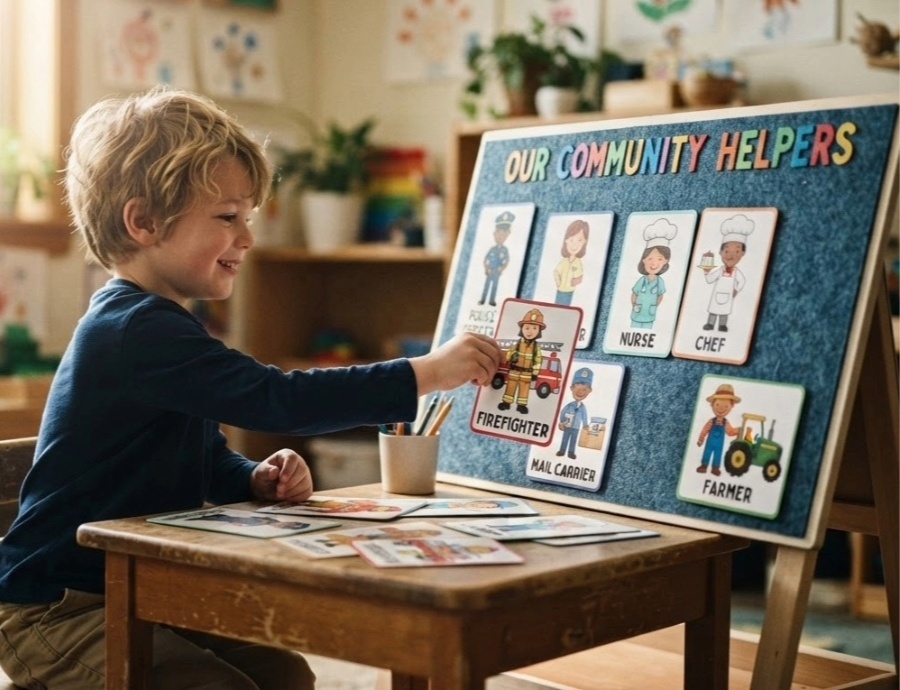
Imagine having a helper whose whole job is figuring out what you are great at and what you love to do. That is what a career counselor does. Career counselors listen to people talk about their favorite subjects, hobbies, and dreams. Then they help them discover jobs that match who they are. It is a little like being a guide who helps someone find the right trail on a giant map full of possibilities.
Many career counselors work in schools, where they are often called school counselors. Others work at colleges, community job centers, or their own offices, helping grown-ups who want to try a new kind of work. They ask good questions, share fun quizzes about interests, and help people make plans one step at a time. When someone finds a path that makes them excited about the future, the counselor gets to share in that happy moment. If you are the friend everyone comes to for advice, you might already be thinking like a career counselor.
You Might Love This If...

Skills That Follow You Everywhere
Career counselors build skills that matter far beyond the counseling office. They learn to listen deeply, understand how others feel, and turn big, uncertain questions into clear next steps. These abilities help in friendships, families, and any career that involves working with people.
Problem-Solving
Once a counselor understands someone's interests and goals, they help choose a path, try a first step, and adjust the plan if something does not work out. Turning a big dream into small, doable actions is a skill that helps in school, work, and everyday life.
Communication
Career counselors practice active listening, giving people their full attention so they feel truly heard before any advice is shared. Explaining options clearly and kindly helps someone leave a meeting feeling confident instead of confused.
Empathy
Choosing a future can feel exciting and scary at the same time, and career counselors learn to understand those feelings and respond with care. This builds the trust people need to share their real hopes and worries.