
Did You Know?
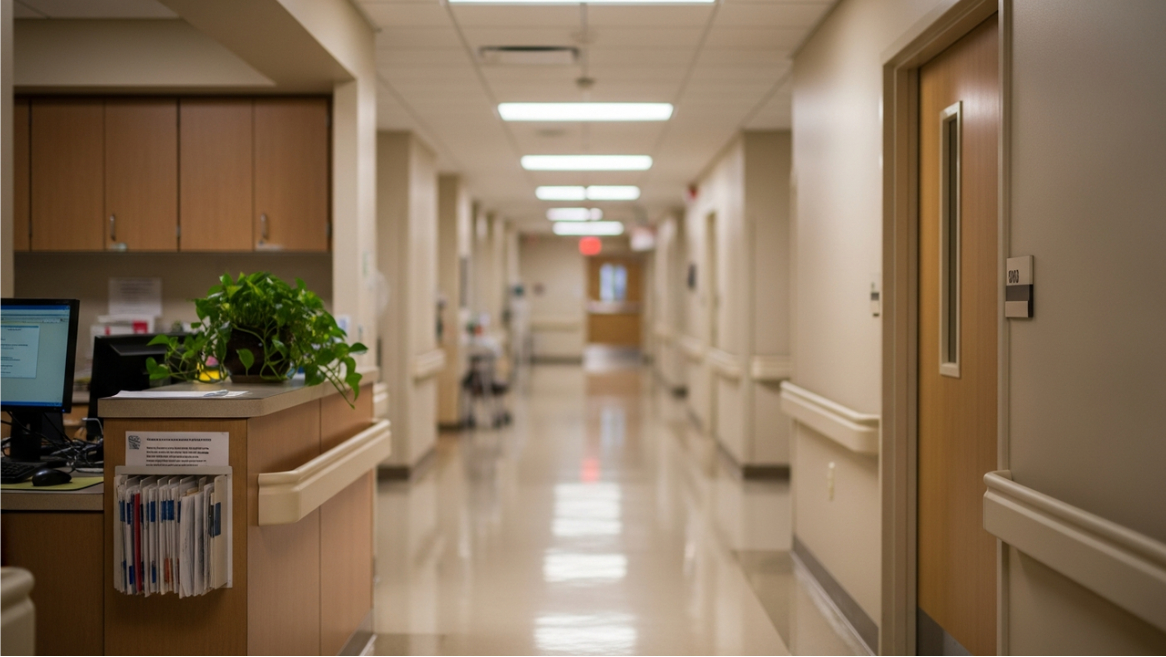
More than 3 million registered nurses are working across the United States. That means there are more nurses than there are people living in Chicago and Houston combined.
What Registered Nurses Really Do
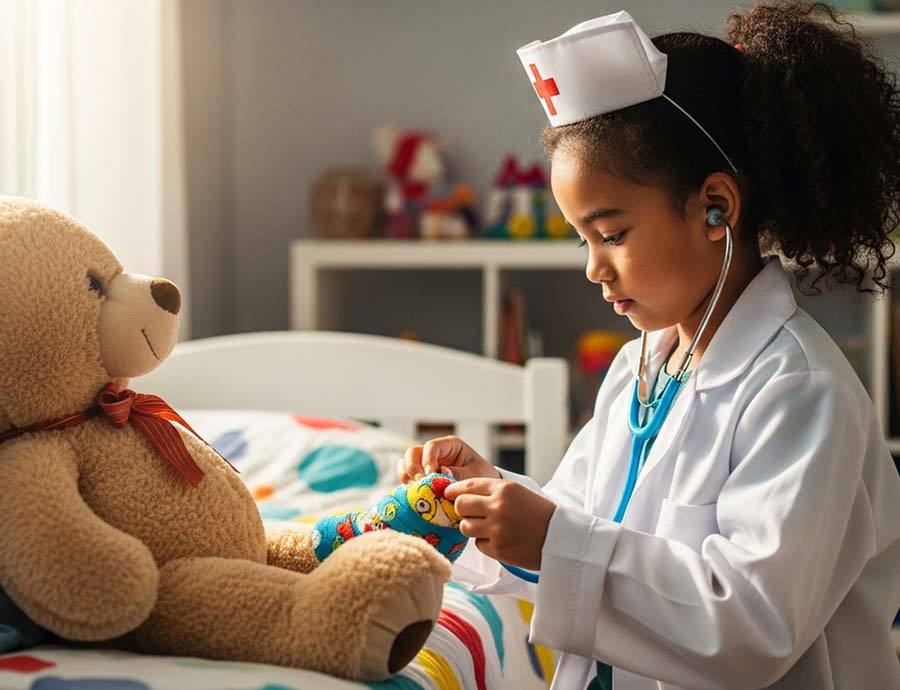
Imagine you are in the hospital, feeling nervous and a little scared. Then someone walks in wearing scrubs, smiles at you, and asks how you are feeling. They check your temperature, explain what the doctor said in words you can actually understand, and make sure you are comfortable. That person is a nurse. Nurses are the healthcare workers who are by your side through some of the most important moments of your life, from the day you are born to the time you recover from an illness or injury. They observe, they listen, and they make sure you feel safe.
Becoming a nurse means learning how the human body works and how to help it heal. Nurses ask careful questions, notice changes in how a patient looks or acts, and take action when something needs attention. If you are someone who cares deeply about the people around you, who wants to understand how bodies work, and who feels good when you help someone feel better, you might already be thinking like a nurse.
You Might Love This If...
Skills That Follow You Everywhere
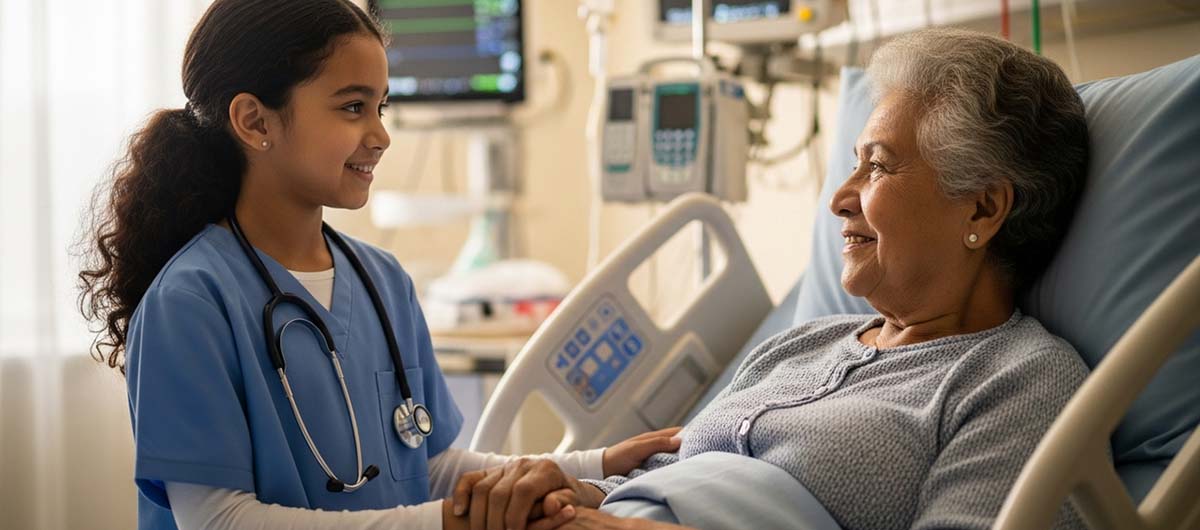
Becoming a registered nurse builds far more than clinical skills. Nurses develop the ability to communicate with different groups of people, solve problems under pressure, and show up with empathy even on the hardest days. These qualities shape not just how nurses care for patients, but how they lead, teach, and connect in every area of their lives.
Resilience
Nursing is one of the most rewarding careers a person can choose, and also one of the most demanding. Nurses lose patients they have cared for, work through exhausting shifts, and sometimes carry the weight of difficult days home with them. Resilience is what allows nurses to absorb those hard moments, process them, and come back the next shift ready to give their full attention to the next patient who needs them. Building this kind of emotional strength does not happen overnight, but nursing develops it in ways that carry into every area of life.
Teamwork
No nurse cares for a patient alone. On any given shift, a nurse communicates with physicians, coordinates with physical therapists, updates the incoming nurse at shift change, and checks in with a patient's family members. Every person on that team has a role, and when someone drops the ball, patients feel it. Nurses learn to trust their teammates, speak up clearly when something is wrong, and put the patient's needs ahead of any individual preference. That ability to function as part of a high-stakes team translates into any collaborative environment.
Empathy
Nurses enter a patient's life during some of their most difficult and frightening moments. Understanding what a patient or family member is feeling, and responding with genuine care rather than just clinical efficiency, is what separates good nursing from great nursing. Empathy helps nurses notice what patients are not saying, build trust quickly, and deliver care that feels human. This skill extends beyond the hospital, shaping how nurses engage with their communities, their families, and the people they lead.
Explore more resources for a future Registered Nurse

What to Expect: Nursing: A Real-World Guide to Nursing School, NCLEX Prep, and Choosing the Right Career Path (What to Expect: College Degree Series)
Professionals Press, Publishing
Why We Picked It
Career Connection
The nursing licensing process is rigorous and highly competitive, and this guide's year-by-year training breakdown gives aspiring nurses the concrete, up-to-date information they need to plan their path and build the strongest possible application.

I Want to Be A NURSE When I Grow Up
Blake, Nurse | Bauer, Timmy
Why We Picked It
Career Connection
Registered nurses do demanding, skilled, meaningful work that looks both exciting and caring from the outside, and this book captures exactly the mix of inspiration and genuine aspiration that draws young people toward one of healthcare's most trusted professions.

Notes on Nursing: What It Is, and What It Is Not by Florence Nightingale
Nightingale, Florence
Why We Picked It
Career Connection
Registered nurses apply clinical assessment and evidence-based care principles that trace directly to the standards Nightingale described in this book, and reading her original thinking gives nursing students a vivid sense of how rigorously she built the intellectual foundation of their profession.