
Did You Know?
More than 3 million registered nurses are working across the United States. That means there are more nurses than there are people living in Chicago and Houston combined.
The Numbers Behind the Career
About 193,100 registered nurse job openings are projected each year over the next decade.
The 2023 median salary for registered nurses was $81,220.
There were about 3,238,400 registered nurse jobs in the U.S. in 2023.
Where This Career Is Headed
Healthcare is changing rapidly, and registered nurses are at the center of that transformation. Telehealth has expanded the reach of nursing care beyond hospital walls, allowing nurses to monitor patients remotely, conduct virtual check-ins, and provide education to people in rural or underserved areas. An aging population is driving growing demand for nurses in home health, long-term care, and chronic disease management. At the same time, healthcare systems are investing in data tools and artificial intelligence to support clinical decision-making, and nurses are increasingly expected to use and interpret that technology alongside their traditional patient care skills.
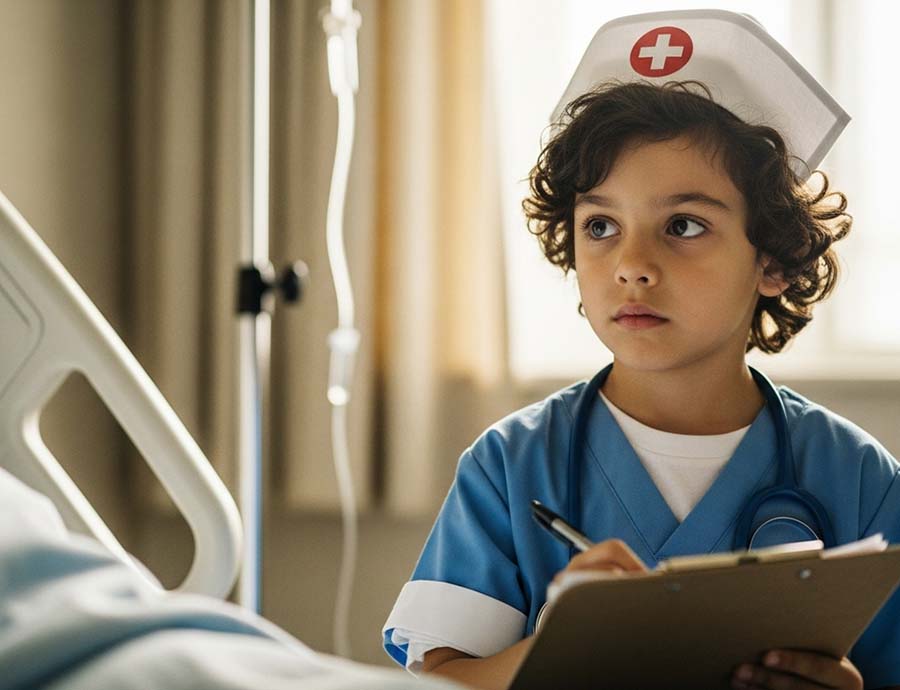
The rapid growth of telehealth and remote patient monitoring will create new nursing roles outside of traditional hospital settings, including virtual care coordination and digital health education.
An aging U.S. population will significantly increase demand for nurses in home health, hospice, geriatrics, and chronic disease management.
Advanced practice nursing roles, including nurse practitioners and nurse anesthetists, are expanding in scope and independence as healthcare systems work to address physician shortages.
Education & Certification
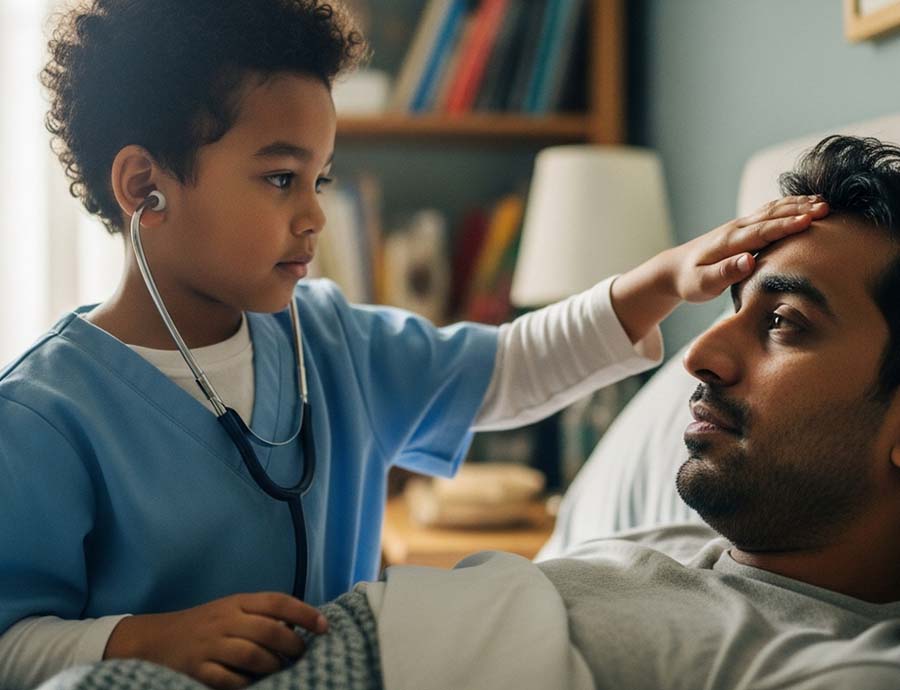
Becoming a registered nurse requires completing either an Associate Degree in Nursing (ADN), which typically takes two to three years, or a Bachelor of Science in Nursing (BSN), which takes four years. Both paths prepare students to sit for the NCLEX-RN, the national licensing exam required to practice as a registered nurse in the United States. Many employers, particularly hospitals, prefer or require a BSN, and nurses who begin with an ADN often pursue a BSN later through RN-to-BSN bridge programs. Beyond initial licensure, nurses can pursue graduate degrees to become nurse practitioners, nurse educators, or clinical nurse specialists, significantly expanding their scope of practice and career options.
To Prepare...
Science classes like biology and health are your best friends if you are interested in nursing. The more you understand about how the human body works, the more prepared you will be, and it all starts with paying attention in school now.
Look for ways to spend time around people who need care, whether that means volunteering at a community health fair, helping out at a senior center, or even just spending time with an elderly neighbor or relative. Getting comfortable being present for others is a skill nurses build long before nursing school.
When you get to high school, ask a school counselor whether your district offers health science classes, hospital volunteer programs, or dual enrollment courses at a local community college. Many nursing programs have pathways designed specifically for students who start exploring early, and getting on that radar now gives you a real head start.
Spotlight: Explore the Life of a Registered Nurse

Explore more resources for a future Registered Nurse

What to Expect: Nursing: A Real-World Guide to Nursing School, NCLEX Prep, and Choosing the Right Career Path (What to Expect: College Degree Series)
Professionals Press, Publishing
Why We Picked It
Career Connection
The nursing licensing process is rigorous and highly competitive, and this guide's year-by-year training breakdown gives aspiring nurses the concrete, up-to-date information they need to plan their path and build the strongest possible application.

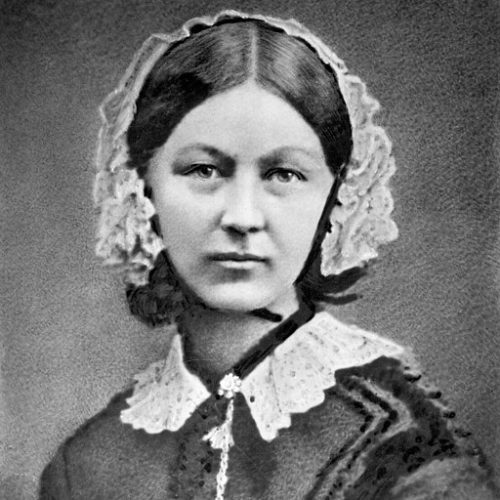
Notes on Nursing: What It Is, and What It Is Not by Florence Nightingale
Nightingale, Florence
Why We Picked It
Career Connection
Registered nurses apply clinical assessment and evidence-based care principles that trace directly to the standards Nightingale described in this book, and reading her original thinking gives nursing students a vivid sense of how rigorously she built the intellectual foundation of their profession.

Nursing the Future: What Teens Need to Know About a Career as a Nurse
Michaels, Sarah
Why We Picked It
Career Connection
Registered nurses combine clinical knowledge with genuine patient care across every shift they work, and this book's honest account of what nursing training and professional practice actually look like gives aspiring nurses a clear picture of the path ahead.