

Did You Know?
At the Falmouth Road Race in Massachusetts, medical teams treated 180 runners for heat stroke over eight years by plunging them into tubs of ice water. All 180 survived.
What Athletic Trainers Really Do
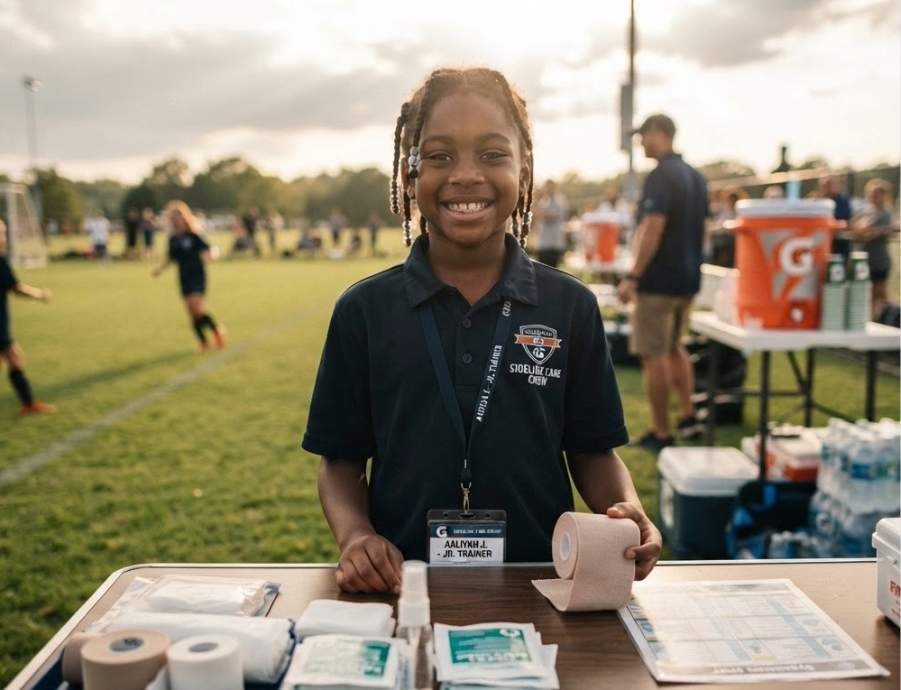
It is a Friday night game, and you are standing at the edge of the field with a bag of tape, ice packs, and bandages. A player falls and grabs their ankle, so you hurry out and kneel beside them. You ask gentle questions, check how the ankle moves, and use a calm voice so the player knows they are in good hands. Then you decide whether they can get back in the game or need a doctor to take a closer look. The crowd cheers when the player stands up, and you hurry back to the sideline, ready for whatever happens next.
Athletic trainers do much more than fix injuries after they happen. Hours before a game, you might tape ankles, help players stretch, and make sure everyone has water. You also work with doctors, coaches, and parents to build a plan for each athlete, like a team behind the team. Athletic trainers help soccer players, dancers, and even circus performers, anywhere people use their bodies in big ways. If you like sports, helping people feel better, and staying calm when things get busy, you might already be thinking like an athletic trainer.
You Might Love This If...
Skills That Follow You Everywhere
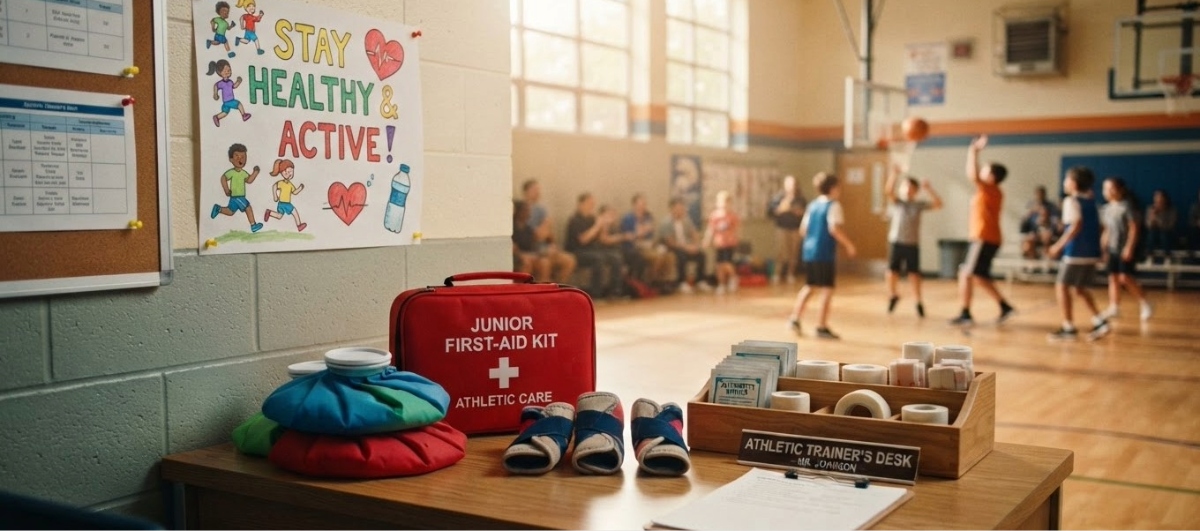
Athletic trainers build skills that matter far beyond the sideline. They learn to stay steady when things go wrong, work with a whole team, and figure out what to do next. People count on them in the moments that matter most.
Resilience
Athletic trainers help athletes through setbacks like a season-ending injury, and they face hard moments of their own, like long days and high-pressure emergencies. They keep showing up, stay steady, and help athletes see slow progress as part of the process, not a failure. During a long recovery, small wins like a first pain-free step keep everyone going.
Teamwork
Athletic trainers work with athletes, coaches, parents, and doctors, and each person sees a different part of the picture. They share updates, listen to what the others know, and agree on one plan, so the athlete gets consistent care. When everyone works from the same plan, the athlete hears one clear message instead of five different ones.
Problem-Solving
When an athlete gets hurt, an athletic trainer assesses what happened, chooses a plan, and tests whether it works. If an exercise causes pain or progress stalls, they change the plan and try another approach until they find what works for that person. Every plan starts as a first draft, and a good one gets rewritten as the athlete's body gives new information.