
Did You Know?
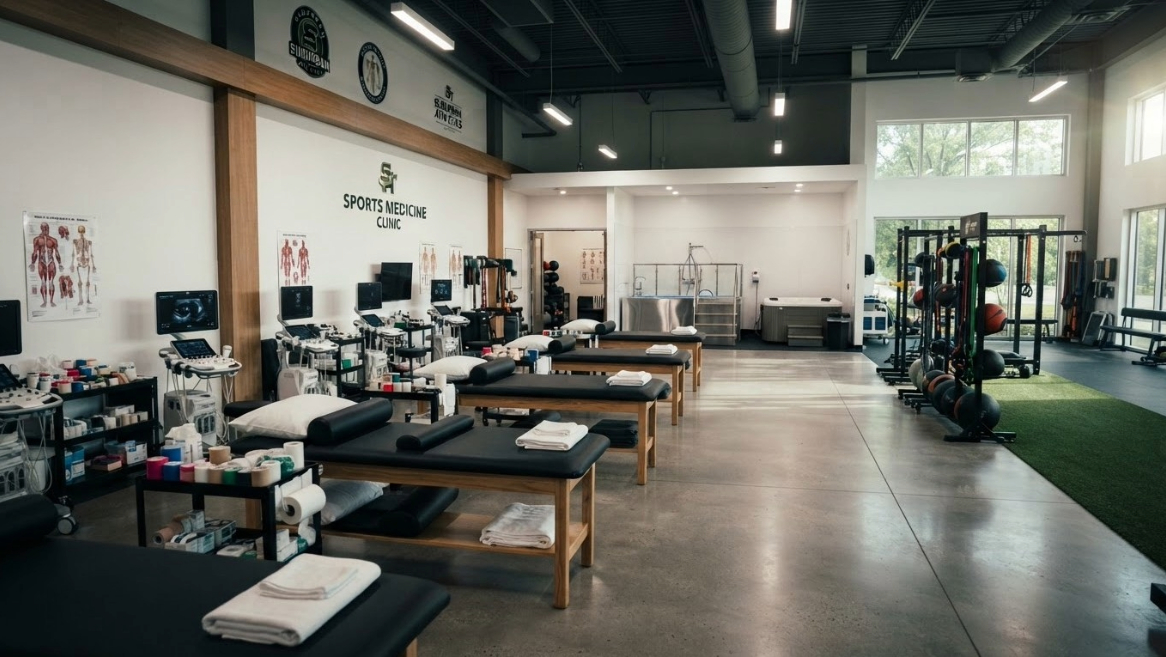
At the Falmouth Road Race in Massachusetts, medical teams treated 180 runners for heat stroke over eight years by plunging them into tubs of ice water. All 180 survived.
How to Get Started
Starting as a future athletic trainer begins with noticing how bodies move and what keeps people safe while they play. Curiosity about injuries and how they heal, paired with staying calm in stressful moments, are early steps. Every athletic trainer started by wondering what to do when someone got hurt.
Explore the Basics
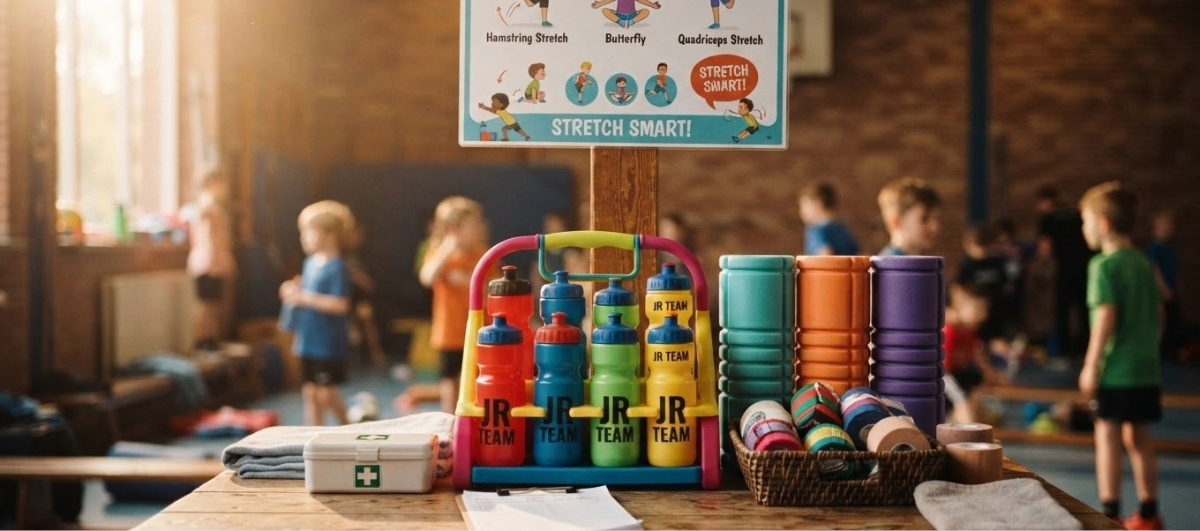
With a grown-up, put together a small first aid kit for your backpack or the family car, using supplies you already have at home when you can, like bandages, gauze, and a cold pack. Label what each item is for and practice saying out loud when you would use it. Athletic trainers bring a bag like this to practices and games, so you are packing like one.
Try It Out
Invent a five-minute warm-up for your family or friends before you play outside, with moves like arm circles, leg swings, and gentle jogging in place. Draw each move on an index card, then lead the group through the cards in order. Athletic trainers use warm-ups like this to get bodies ready before the game starts.
Join the Community
With a grown-up, go to a free or low-cost youth, high school, or college game and look for the athletic trainer on the sideline. Not every team has one, so you may need to ask which games will. Notice what the athletic trainer carries, where they stand, and when they walk onto the field. Afterward, draw the sideline and mark where the athletic trainer spent most of the game.