
Did You Know?
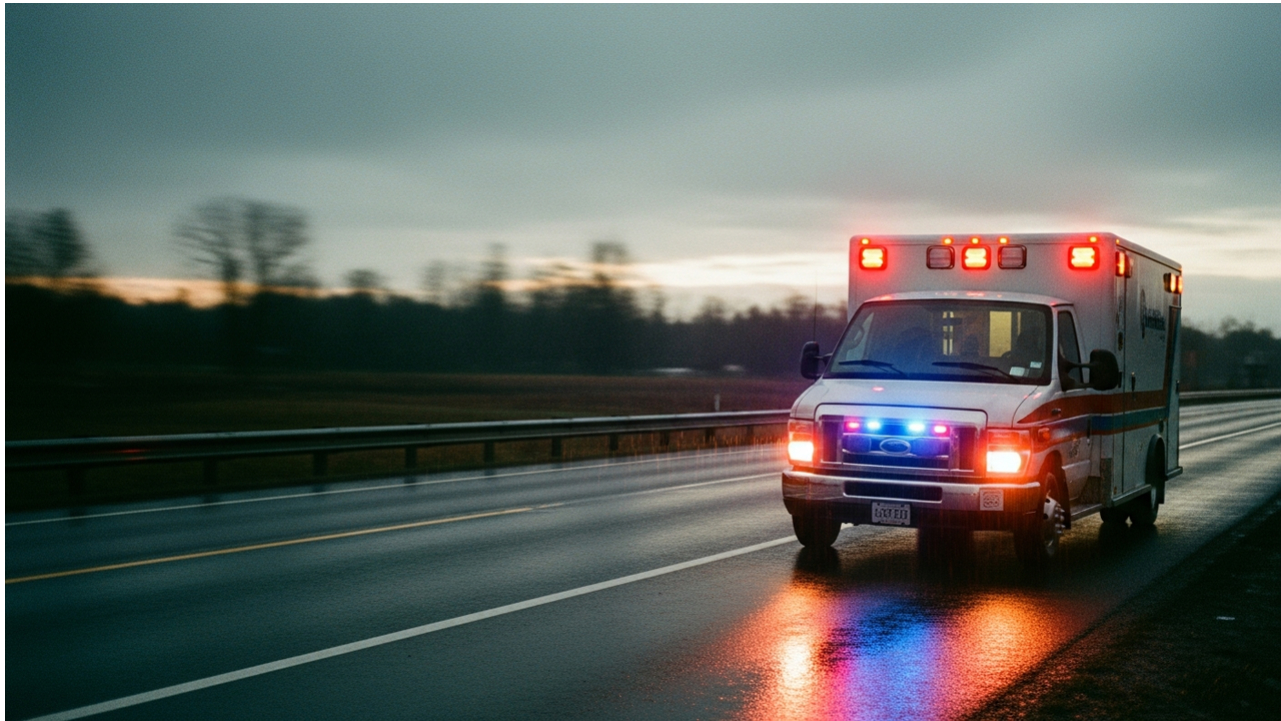
Before modern ambulance services existed in the United States, sick and injured people were often transported to hospitals in police wagons or funeral home hearses, because those were the only vehicles designed to carry someone lying down.
What EMT/Paramedics Really Do
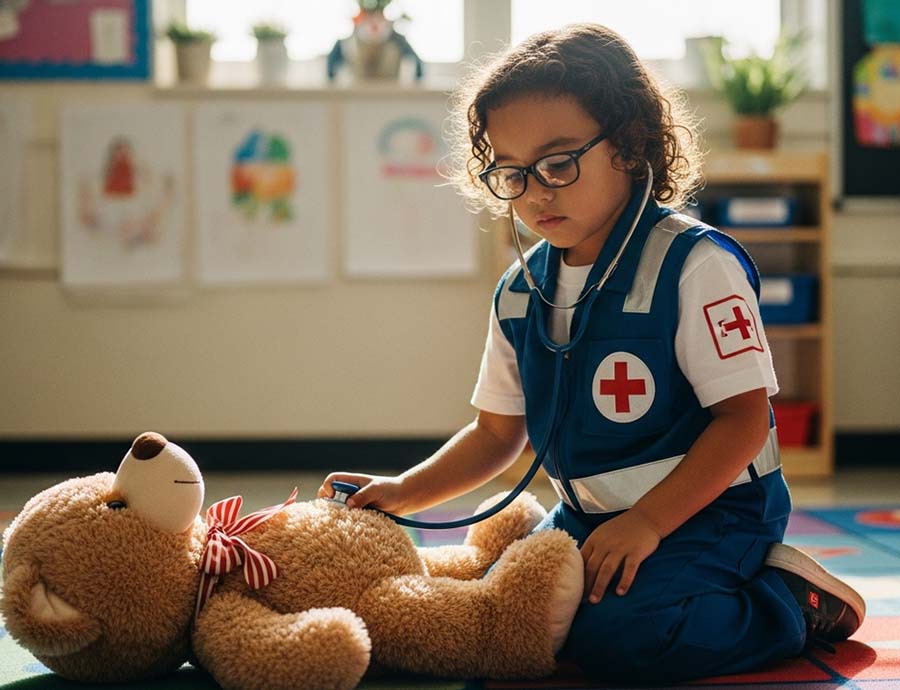
The call comes in at 7:42 in the morning: a child has fallen off a bike and is not breathing normally. Within minutes, two EMTs pull up to the scene, grab their gear, and move quickly but calmly toward the child while a crowd of worried faces watches. They kneel down, assess what is happening, and begin helping the child breathe. By the time they reach the hospital, the child is stable and looking around at the lights overhead. For the EMTs, this is a regular morning, and there is no better feeling than knowing their work may have saved someone’s life.
EMTs and paramedics are emergency medical professionals who respond to 911 calls and provide critical care to people who are sick, injured, or in crisis. They are often the first medical help to arrive on the scene of an accident, a heart attack, or any situation where someone's life may be in danger. EMTs learn to assess patients rapidly, make quick decisions, and perform lifesaving procedures with calm hands and steady minds. If you are someone who stays calm when others panic, loves learning how the body works, and wants a career where every shift truly matters, EMT work might be exactly what you are looking for.
You Might Love This If...
Skills That Follow You Everywhere
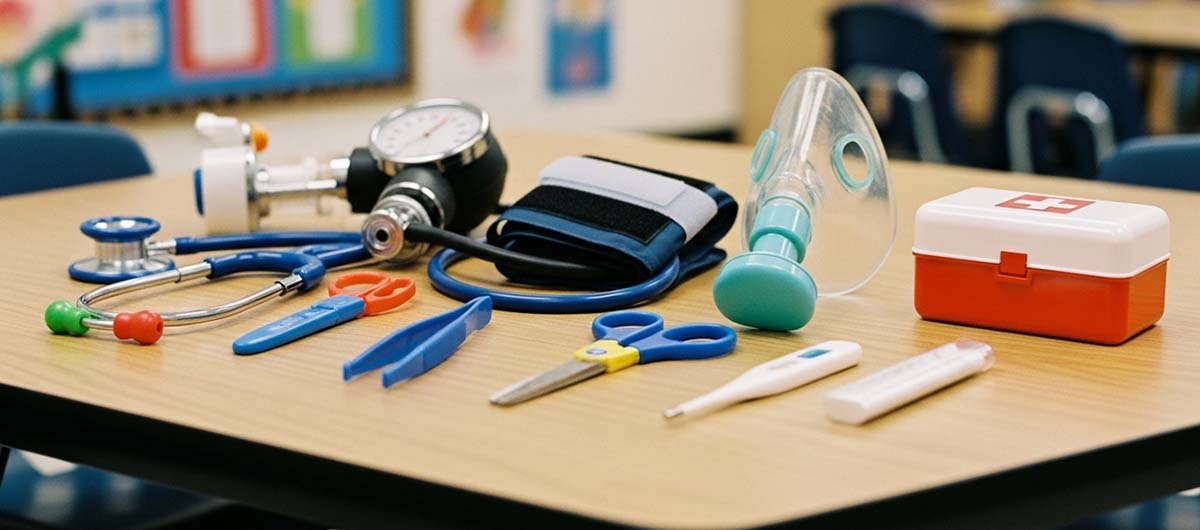
Being an EMT or paramedic builds skills that extend far beyond emergency protocols and medical procedures. These professionals learn to connect with people in their most vulnerable moments, communicate with precision under intense pressure, and recover from experiences that test their emotional limits. Those abilities carry into every field that demands leadership, compassion, and clear thinking when it counts most.
Resilience
Emergency medical service professionals regularly encounter situations that are emotionally overwhelming, including serious accidents, the loss of patients, and people in profound crisis. The ability to process those experiences and show up ready for the next call is essential to long-term success in the field. Resilience does not mean pushing feelings aside; it means developing healthy ways to reflect, recover, and lean on teammates when a shift has left its mark. Building this kind of emotional durability through real, high-stakes experience prepares you for the demands of any career that requires you to keep going when things are hard.
Communication
Paramedics communicate constantly: relaying patient information to dispatch, giving clear instructions to bystanders, updating hospital teams before arrival, and calming a patient who can barely catch their breath. Each of those conversations requires a completely different approach, ranging from technical precision to warmth and simplicity, sometimes within seconds of each other. Learning to read a situation and shift how you speak and listen accordingly is one of the most transferable skills in any profession, and the emergency medical service builds it under conditions that nothing else can replicate.
Empathy
EMTs and paramedics arrive when people are frightened, in pain, and often at their lowest point. Their ability to understand and respond to those emotions can be as important as any clinical intervention. A paramedic who recognizes that a patient is terrified and adjusts their tone and pace accordingly can reduce the patient's stress response, which directly improves medical outcomes. Developing empathy in high-stakes, real-world situations teaches you to stay attuned to the people around you, even when your own attention is pulled in every direction, a skill that matters in any career built on human connection.
Explore more resources for a future EMT/Paramedic

Nancy Caroline's Emergency Care in the Streets Student Workbook (Paperback): .
American Academy of Orthopaedic Surgeons (AAOS)
Why We Picked It
Career Connection
Paramedics integrate rapid patient assessment, protocol knowledge, and clear-headed decision-making under real pressure, and the scenario-based exercises in this workbook develop exactly that clinical reasoning before a student ever boards an actual ambulance.

5-Minute CPR: A Paramedic's Guide to Simple CPR
Hodge, Lance
Why We Picked It
Career Connection
CPR is the first intervention a paramedic performs on a cardiac patient, and learning this foundational skill introduces high-schoolers to the protocols and calm, decisive action that define the first moments of emergency medicine.

EMT Pocket Guide & Paramedic Flashcards - EMT Cards with Medical References for Work & School Essentials - 2025 Edition Badge Cards for EMS & First Responders
Why We Picked It
Career Connection
EMTs and paramedics work from standardized protocols they must recall instantly under pressure, and these flashcards drill the exact assessment frameworks and clinical decision tools that real prehospital medicine is built on.