
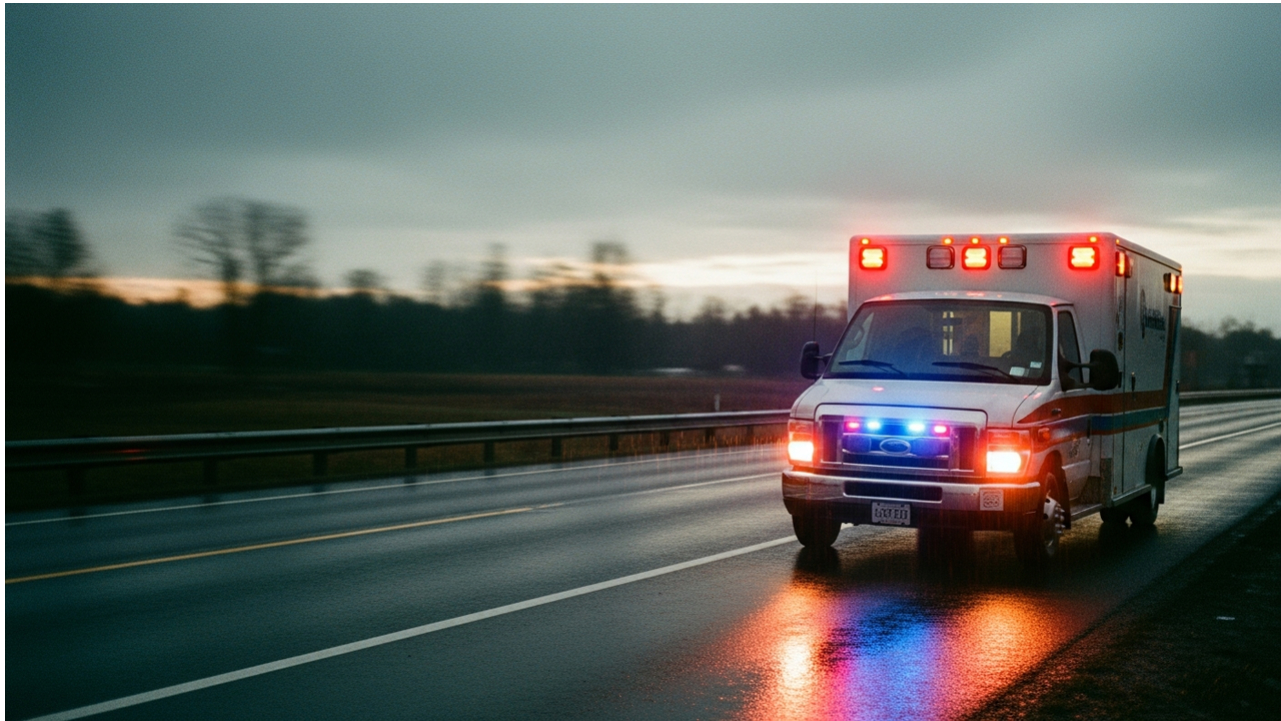
Did You Know?
Before modern ambulance services existed in the United States, sick and injured people were often transported to hospitals in police wagons or funeral home hearses, because those were the only vehicles designed to carry someone lying down.
The Numbers Behind the Career
About 19,000 EMT and paramedic job openings are project annually over the next decade.
The 2024 median annual wage for EMTs and paramedics was $46,350 with paramedics in the top 10% earning more than $82,420.
There were about 282,900 EMT and paramedic jobs in the U.S. in 2024.
Where This Career Is Headed
Emergency medical services (EMS) are being reshaped by a growing recognition that paramedics can do far more than transport patients to hospitals. Community paramedicine programs are placing EMS professionals in homes, shelters, and clinics to manage chronic conditions, support individuals experiencing mental health crises, and prevent emergencies before they occur. At the same time, advances in portable diagnostic technology are allowing paramedics to transmit real-time cardiac data, administer a wider range of medications, and make more complex treatment decisions in the field. As emergency departments face mounting pressure and healthcare systems look for smarter ways to reach patients earlier, the scope and influence of the EMS profession are expanding rapidly.
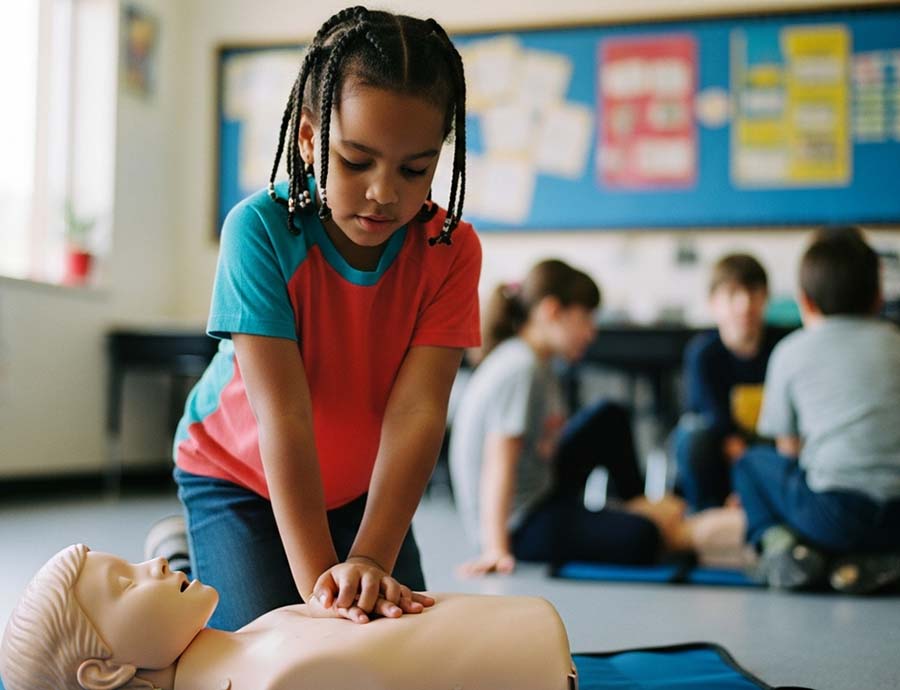
Community paramedicine programs will create new roles for paramedics in preventive care, chronic disease management, and mental health response, expanding the profession far beyond ambulance transport.
Advances in portable medical technology, including real-time cardiac monitoring and point-of-care diagnostics, will allow EMTs and paramedics to deliver more sophisticated care in the field with greater precision.
The growing demand for mobile integrated healthcare will create new and expanded opportunities for EMS professionals to work embedded within hospital systems, fire departments, and community health organizations.
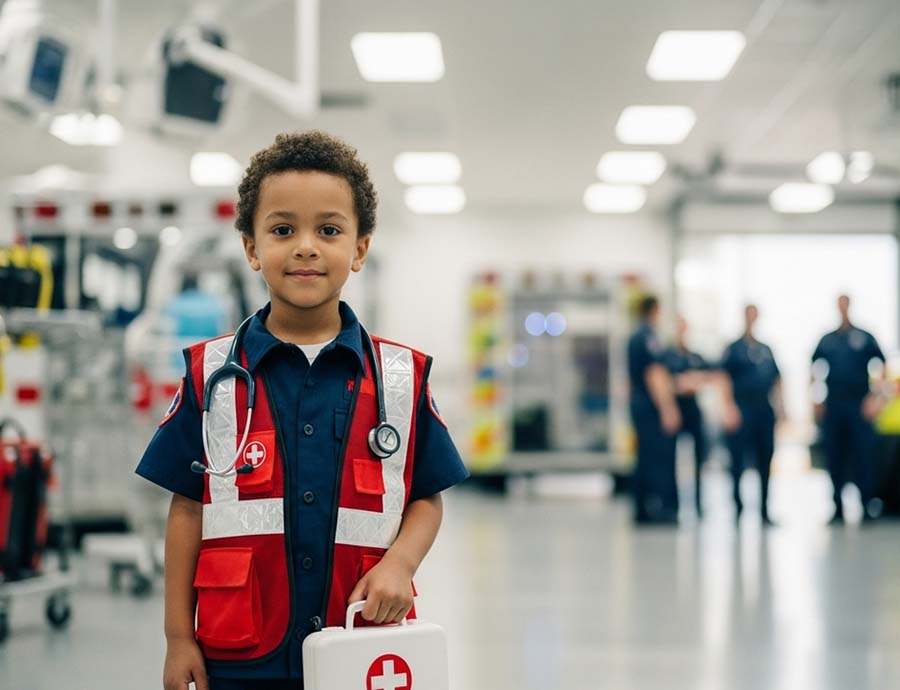
Education & Certification
Becoming an EMT requires completing a state-approved training program, which typically runs 120 to 150 hours and covers patient assessment, CPR, airway management, bleeding control, and emergency childbirth, among other skills. After completing the program, candidates must pass the National Registry of Emergency Medical Technicians (NREMT) exam to earn national certification, which is recognized in most states. Paramedics complete significantly more training, typically 1,200 to 1,800 hours through a community college or technical school program, covering advanced cardiac care, pharmacology, and complex medical procedures. Both EMTs and paramedics must maintain their certification through continuing education and periodic recertification, and many go on to pursue additional credentials in areas like critical care transport, flight medicine, or tactical EMS.
To Prepare...
Take classes in biology, anatomy, and health sciences to build the foundational medical knowledge that EMT and paramedic training build on.
Look for Career and Technical Education (CTE) programs in health science at your high school or local vocational school, many of which include emergency care coursework, clinical rotations, and pathways to EMT-Basic certification before graduation.
Check whether a community college near you offers a dual enrollment EMT-Basic course for high school juniors and seniors, which can allow you to arrive at graduation already certified and ready to work in the field.
Spotlight: Explore the Life of a EMT/Paramedic



Explore more resources for a future EMT/Paramedic

What Paramedics and EMTs Do Children's Book
Amy Gomes
Why We Picked It
Career Connection
Paramedics assess patients and provide emergency care at the most stressful moments of people's lives, and this book introduces the youngest readers to those first responders with warmth and honesty, making the profession feel familiar rather than frightening.

A Kid's Book of First Aid: Including the Official Junior Paramedic Test and Official Junior Paramedic Card
Hodge, Lance
Why We Picked It
Career Connection
EMTs and paramedics are trained to stay calm, take charge, and follow clear protocols under pressure, and this guide builds those same instincts in young readers, turning emergency readiness from something frightening into something genuinely learnable.

5-Minute CPR: A Paramedic's Guide to Simple CPR
Hodge, Lance
Why We Picked It
Career Connection
CPR is the first intervention a paramedic performs on a cardiac patient, and learning this foundational skill introduces high-schoolers to the protocols and calm, decisive action that define the first moments of emergency medicine.