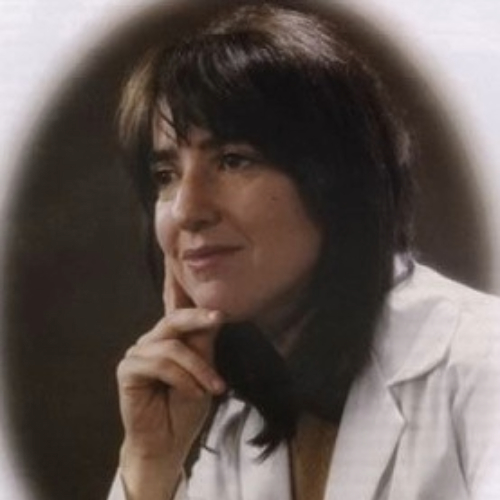
Who He Is
Before Peter Safar came along, if your heart stopped outside of a hospital, there was almost nothing anyone could do for you. Safar, an Austrian-American physician at the University of Pittsburgh, decided to challenge that. In the 1950s, he proved that mouth-to-mouth resuscitation combined with chest compressions could keep a person alive after cardiac arrest, and that discovery became the foundation of CPR. He also helped create the concept of the intensive care unit and spent decades training doctors, paramedics, and ordinary people to save lives with nothing but their hands. He was nominated for the Nobel Prize multiple times, and the technique he championed is now taught to millions of people every year.
Why He Matters
Every time a paramedic starts CPR on the way to the hospital, they are building on what Peter Safar proved was possible. Before his work, a stopped heart was a death sentence anywhere outside a surgical suite. His career is a reminder that the tools EMTs and paramedics rely on most were not always obvious, and that someone had to fight to prove they worked. If you are drawn to emergency medicine, Safar's story shows that curiosity and a refusal to accept "that's just how it is" can change the way the entire world responds to a crisis.