
Did You Know?
Blowing bubbles during a needle poke is not just a distraction trick. The slow exhale actually triggers the body's relaxation response and can reduce how much pain a child feels, and the same principle works with pinwheels or pretend birthday candles.
What Child Life Specialists Really Do
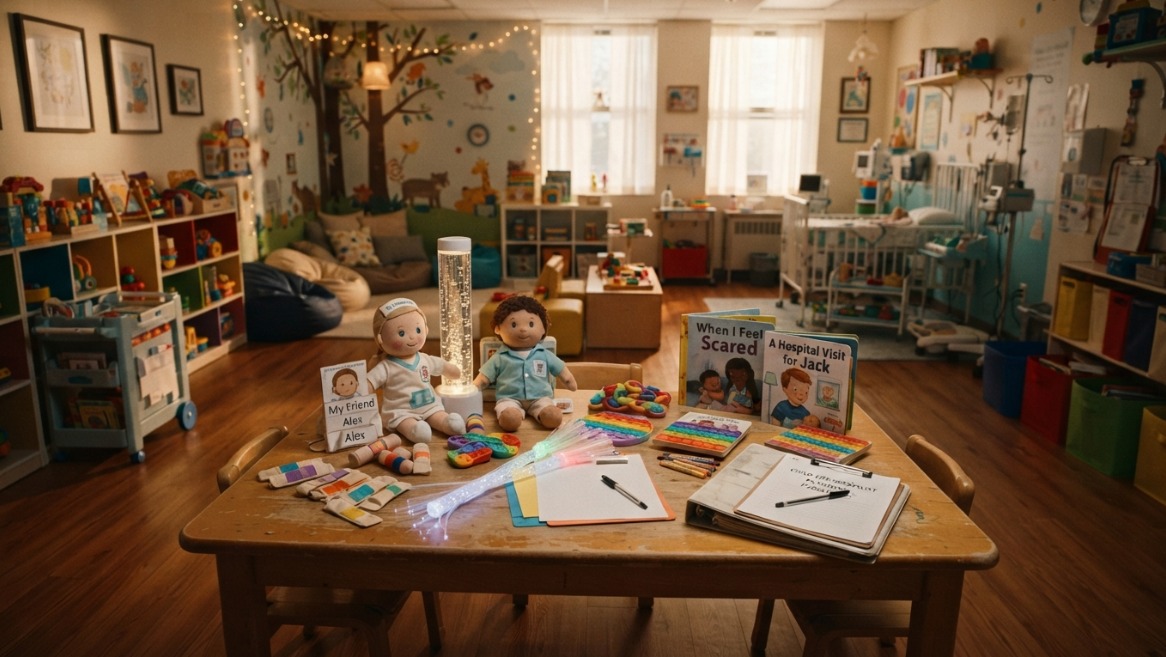
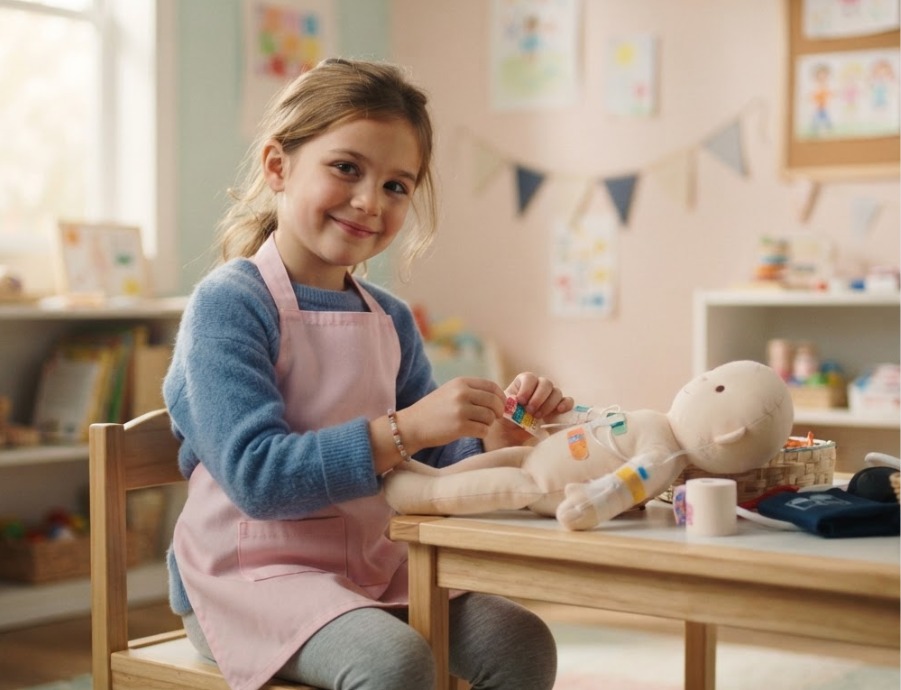
You are sitting on the floor of a hospital playroom with a five-year-old who is scared about getting a shot in a few minutes, and you pull out a toy doctor kit so she can practice giving her stuffed bear the same shot first. She squeezes the bear tight and gives it the pretend shot herself, then giggles when the bear “doesn't even cry.” By the time it is her turn, she is holding her own bear's paw and barely notices the real needle. Child life specialists are the people at a hospital whose job is to help kids feel less scared and more like themselves while they are sick or getting medical care. They use toys, games, art, and stories to help kids understand what is happening to their bodies and to make a scary place feel a little more normal.
Child life specialists work in children's hospitals and in the children's units of regular hospitals, spending their days in playrooms, patient rooms, and sometimes right beside a child during a procedure. They are not doctors or nurses, and they do not give medicine or do medical exams. Instead, their whole job is to be the calm, friendly person who helps a child feel brave, informed, and less alone. They also help brothers and sisters who are worried about a sibling in the hospital, since scary feelings do not stop at the patient's door. If you are the kind of person who notices when someone else is scared and wants to help them feel better, you might already be thinking like a child life specialist.
You Might Love This If...
Skills That Follow You Everywhere
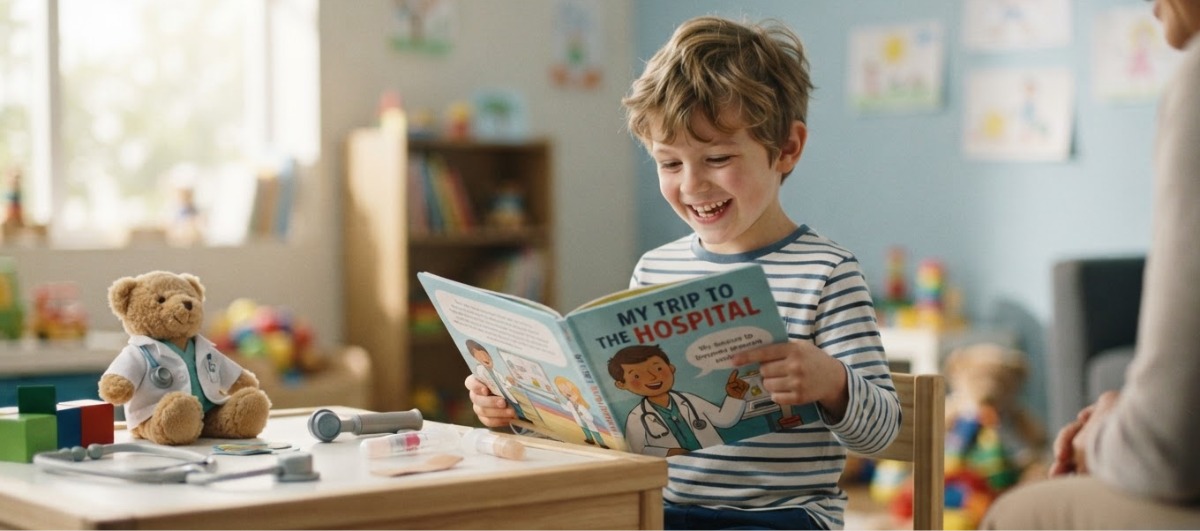
Child life specialists develop skills that go far beyond knowing how to play a good game with a scared kid. They learn to read what a child is feeling before that child can name it themselves, translate hard truths into words a child can actually understand, and stay steady through some of the hardest moments a family will ever face. These abilities are valuable in any career built around supporting people through stress, change, or loss.
Resilience
Not every story in a children's hospital ends well, and a child life specialist will sometimes support a family through the loss of a child they have gotten to know over months or years. Absorbing that kind of grief repeatedly, while still showing up fully present for the next family down the hall, takes real emotional strength. Resilience is what allows a child life specialist to carry that weight without letting it dim the warmth and steadiness every new patient needs from them.
Communication
A child life specialist has to translate complex medical information into words a five-year-old or a fifteen-year-old can actually understand, without talking down to them or hiding the truth. That means explaining what an IV will feel like, what a diagnosis means, or why a parent looks worried, all in age-appropriate language that respects how much a child can handle. Strong communication is also what lets a child life specialist listen closely enough to catch the real question underneath what a child is actually asking, and speak up on that child's behalf during medical conversations happening around them.
Empathy
A child life specialist has to sense fear, confusion, or sadness in a patient who may not have the words to describe any of it, sometimes reading it in a clenched fist or a too-quiet silence instead of anything spoken aloud. Understanding what a scared four-year-old needs versus what a withdrawn fourteen-year-old needs requires tuning in to each child's specific fear, not applying a script. Empathy is what allows a child life specialist to meet a child exactly where they are, instead of where the specialist assumes they should be.