
Did You Know?
By age three, a child's brain has formed approximately 1,000 trillion synaptic connections, more than at any other point in a human life. The experiences a child has in those first years, including the quality of their interactions with caregivers and educators, directly shape which of those connections survive and strengthen.
What Early Childhood Educators Really Do
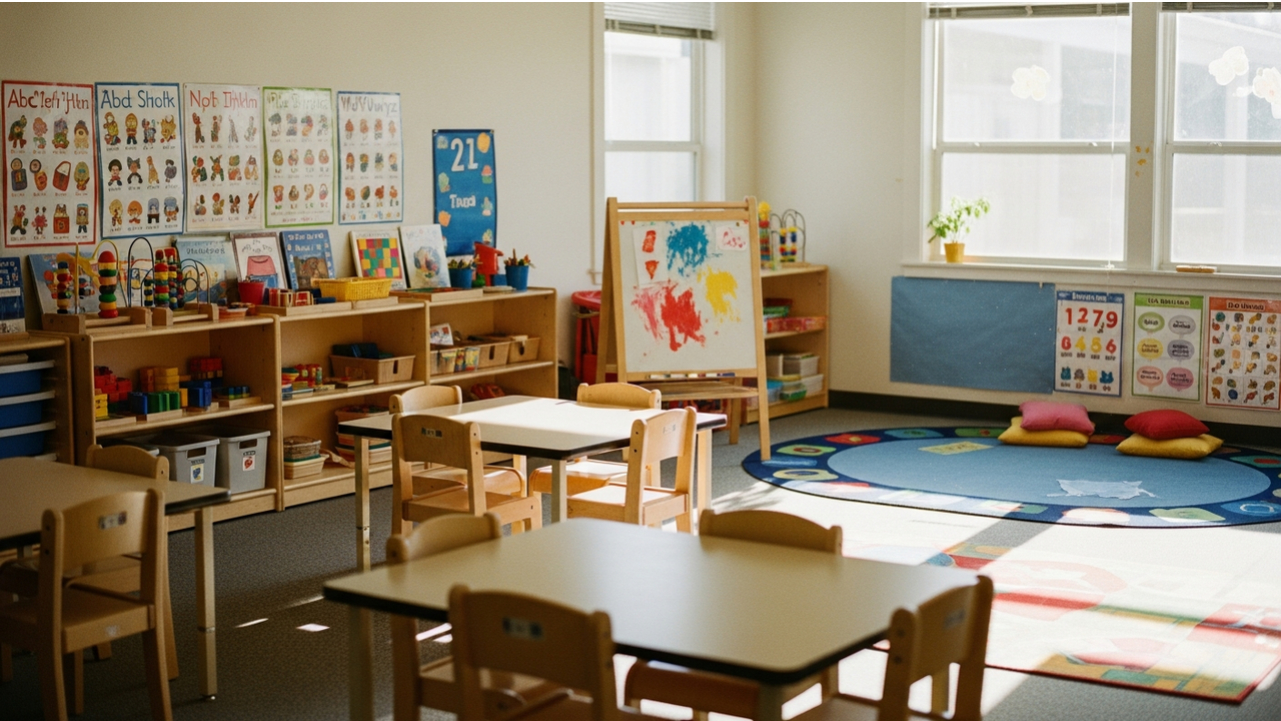
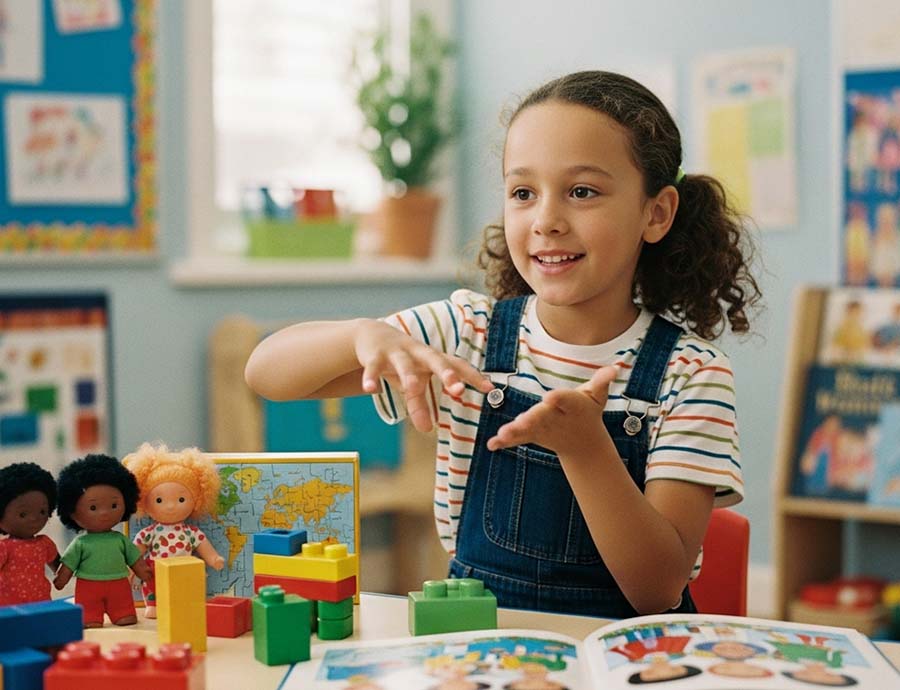
Every time a teacher kneels down to answer a three-year-old's question, something remarkable happens inside that child's brain. Neurons fire, connections strengthen, and a tiny piece of who that child will become gets built in real time. Early childhood educators are the people who make those moments happen on purpose, all day long. They design the activities, ask the questions, and create the kind of warm, safe environment where young children's brains can do the most important growing they will ever do.
Teaching young children is not babysitting. It is one of the most skilled and scientifically grounded professions. Early childhood educators study how children develop, what they need at each stage, and how to spot signs that a child might need extra support. They are often the first people outside a family to notice that a child is struggling, and catching those challenges early can change a person's life. If you love being around young children, are curious about how people learn and grow, and want to do work that genuinely matters, you might already be thinking like an early childhood educator.
You Might Love This If...

Skills That Follow You Everywhere
Becoming an early childhood educator develops skills that extend far beyond lesson plans and classroom routines. Early childhood educators learn to understand and respond to the emotional world of every child in their care, sustain their warmth and commitment through the hardest days the profession brings, and design experiences that look effortless on the surface but are carefully built to develop specific skills. These abilities are valuable in any career that demands human connection, dedication, and the kind of creativity that serves a real purpose.
Resilience
Early childhood educators support children navigating trauma, build relationships with families facing significant hardship, and invest deeply in children whose progress is measured in small moments rather than dramatic milestones. Showing up with the same steadiness and warmth on the hardest days as on the easiest ones requires a resilience that goes far beyond simply managing stress. The educators who sustain long, impactful careers in this field are the ones who develop genuine internal reserves and the ability to find meaning in work whose most important outcomes may not be visible for years.
Creativity
A water table, a pile of blocks, and a basket of pinecones might look like a simple play setup, but an early childhood educator designed that environment with specific developmental goals in mind. Creativity in early childhood education is not about arts and crafts. It is about engineering experiences that feel like pure play while quietly building the cognitive, social, and emotional architecture of a developing human brain.
Empathy
An early childhood educator working with a two-year-old in the middle of a meltdown is not just managing behavior. They are trying to understand what that child is experiencing on the inside, what triggered the moment, and how to respond in a way that builds trust rather than eroding it. That capacity to see another person's experience and act on it with intention is one of the most transferable skills a professional can develop.