Did You Know?
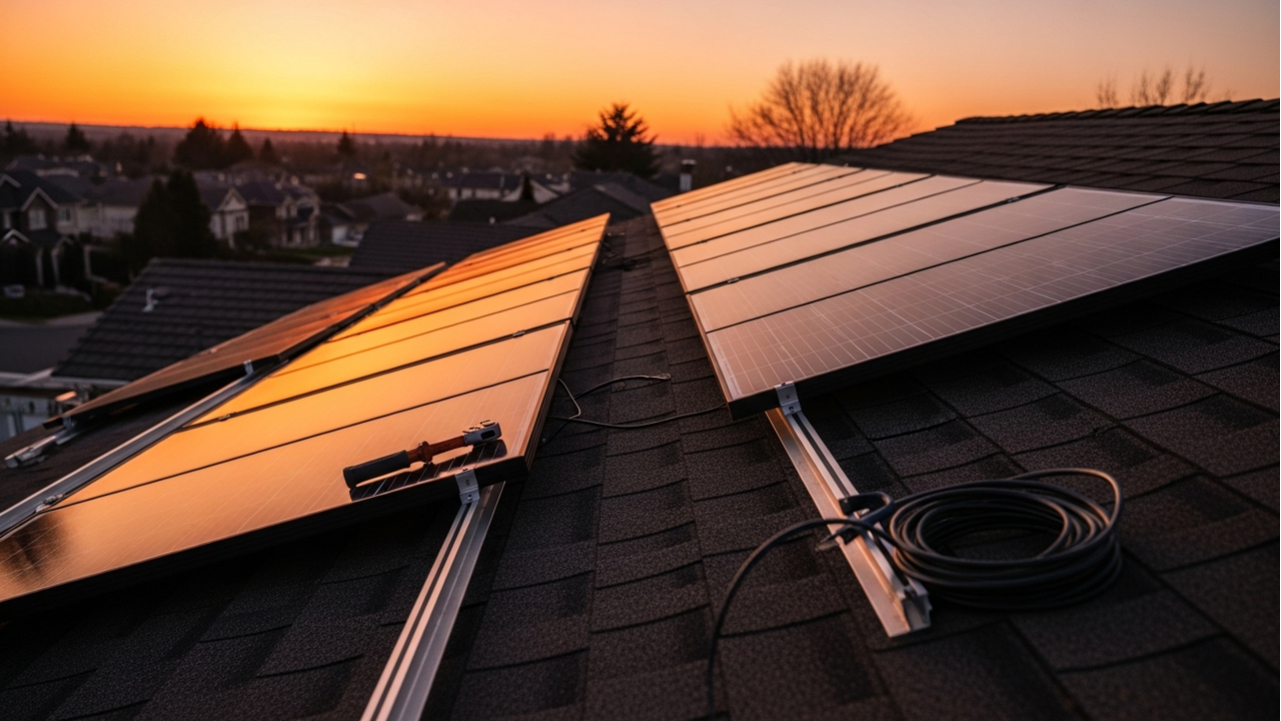
A solar panel has no moving parts and makes no noise while generating electricity. A system installed on a roof today will still be producing power in thirty years with almost no maintenance required, making it one of the most durable technologies in widespread use.
The Numbers Behind the Career
The 2024 median annual salary for solar photovoltaic installers in the U.S. was $51,860.
About 4,100 openings are expected each year through 2034.
There were about 28,600 solar photovoltaic installers working in the U.S. in 2024.
Where This Career Is Headed
Over the next decade, solar installation will move well beyond rooftop panels into a much broader energy ecosystem that includes battery storage, electric vehicle charging infrastructure, and utility-scale solar farms covering thousands of acres. The cost of solar technology has dropped more than 90 percent over the past fifteen years and is still falling, which means the systems technicians are installing are becoming more powerful and more affordable at the same time. Grid modernization projects across the country are creating demand for technicians who understand not just how to install panels but how solar systems interact with the larger electrical infrastructure they connect to. The workforce demand for skilled solar technicians is projected to remain among the strongest of any trade for the foreseeable future.
Battery storage systems are being paired with solar installations at a rapidly growing rate, creating demand for technicians who can design, install, and service the energy storage technology that allows solar power to work after the sun goes down.
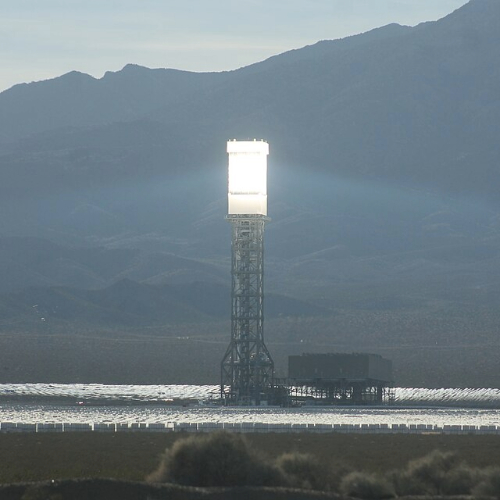
Utility-scale solar development is accelerating across the country, with projects covering hundreds or thousands of acres that require large, skilled installation crews and create sustained, long-term employment for experienced technicians.
The expansion of EV charging infrastructure is converging with solar installation as more homes, businesses, and municipalities pair charging stations with on-site solar generation, broadening the scope of work available to technicians in the field.
Education & Certification
Solar photovoltaic installation is accessible through several pathways, and hands-on experience is valued at every level of the field. Many technicians enter through apprenticeship programs, vocational training, or community college courses in electrical technology or construction trades, while others build their skills through on-the-job training with an experienced installation company. The NABCEP PV Installation Professional certification is the industry's most recognized credential and signals a high level of technical competency to employers and customers alike. Some technicians pursue associate degrees in electrical technology or renewable energy systems, and those who want to move into system design, project management, or utility-scale work often find that additional coursework in electrical engineering or energy systems can lead to significant career advancement.
To Prepare...
Study electrical fundamentals and basic physics, which form the technical foundation for understanding how solar panels convert sunlight into usable electricity and how that electricity moves through a system.
Explore vocational and technical programs in electrical work, construction trades, or renewable energy technology, many of which offer hands-on training that maps directly to the skills employers look for in entry-level solar technicians.
Consider pursuing coursework in renewable energy systems, electrical technology, or sustainable energy at a community college or technical school, many of which offer programs that align directly with NABCEP certification requirements and give you a structured academic foundation before entering the field.