
Did You Know?
A solar panel has no moving parts and makes no noise while generating electricity. A system installed on a roof today will still be producing power in thirty years with almost no maintenance required, making it one of the most durable technologies in widespread use.
What Solar Technicians Really Do
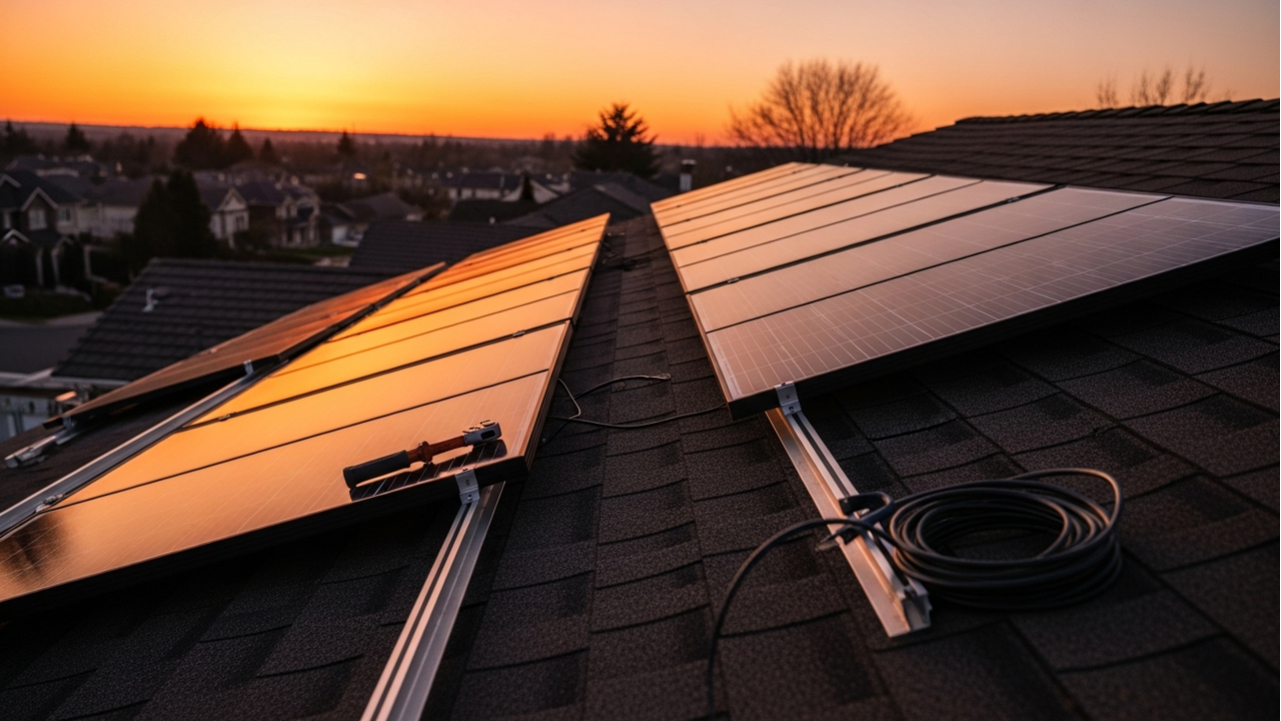
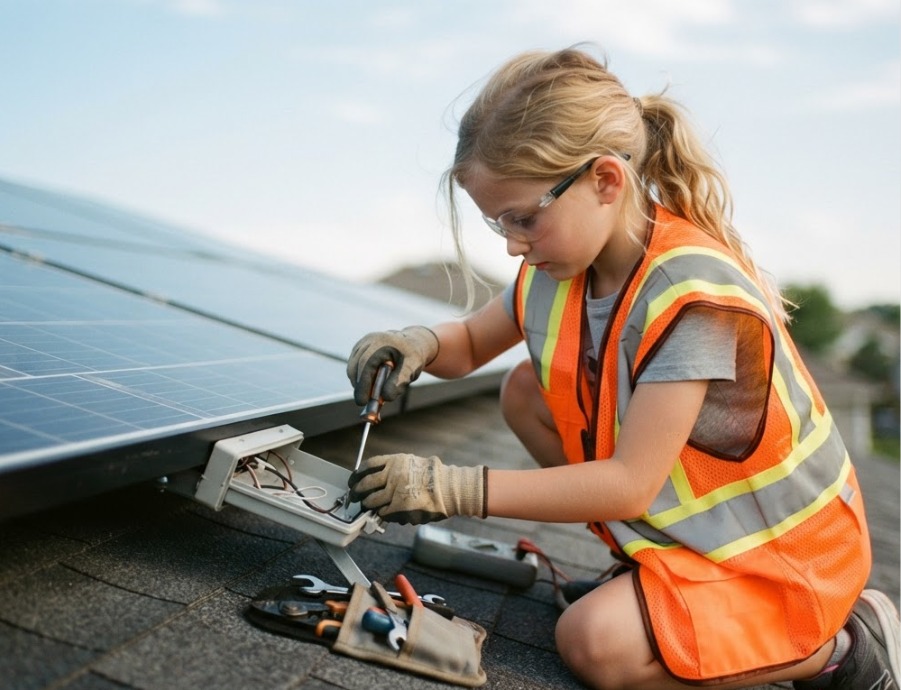
You are on a rooftop on a clear morning, snapping solar panels into a metal racking system that your crew spent the first hour of the day installing. Each panel clicks into place at a precise angle, calculated to catch the maximum amount of sunlight throughout the day. Below you, another technician is running the wiring that will connect everything to the home's electrical system. By the end of the day, a house that was pulling all of its power from the grid this morning will be generating its own electricity from the sun.
Solar technicians are the skilled workers who install, connect, and maintain the solar energy systems you see on rooftops, in fields, and even floating on water. The job combines electrical work, construction skills, and technical problem-solving in a hands-on career that takes you to a different job site almost every day. No two installations are exactly the same, which means there is always something new to figure out and a new challenge to solve. If you like working with your hands, enjoy figuring out how systems fit together, and want to build something at every job that will still be working decades from now, solar technology is a career worth knowing about.
You Might Love This If...

Skills That Follow You Everywhere
Solar technicians develop skills that go far beyond panels, wiring, and rooftop installations. They learn to work closely with the people around them under demanding physical conditions, push through the setbacks that come with outdoor work and complex systems, and keep every job moving forward through careful preparation and attention to detail. These abilities show up in every trade, every team environment, and every career where the quality of the work is visible the moment it is finished.
Resilience
Weather cancels installations, inspections flag issues that send crews back to the drawing board, and equipment does not always behave the way the specifications say it should. Solar technicians learn to absorb those setbacks, solve the problem in front of them, and show up the next day ready to finish what they started. Resilience in this field is not just about toughness; it is about staying focused and effective when the job gets harder than expected.
Teamwork
A solar installation is never a solo job. From mounting the racking system to running the wiring to completing the final commissioning test, every step depends on a crew working in coordination, communicating clearly, and trusting each other to handle their part of the work safely and correctly. Teamwork on a solar crew means knowing when to take the lead, when to support someone else, and how to keep the whole project moving even when conditions are not cooperating.
Organization
A solar installation involves dozens of components, multiple trade contractors, permit documentation, utility paperwork, and a sequence of steps that must occur in the right order for the system to pass inspection and go live. Keeping track of all of it, knowing what needs to happen next and what cannot happen until something else is done first, is as important as the physical work itself. Organization is what turns a well-designed system on paper into a completed installation that works exactly as planned.