
Did You Know?
Before air conditioning was invented, movie theaters were among the first public places to have cooling systems. People would go to the movies just to escape the summer heat, which is how "summer blockbusters" got their start!
What HVAC Technicians Really Do
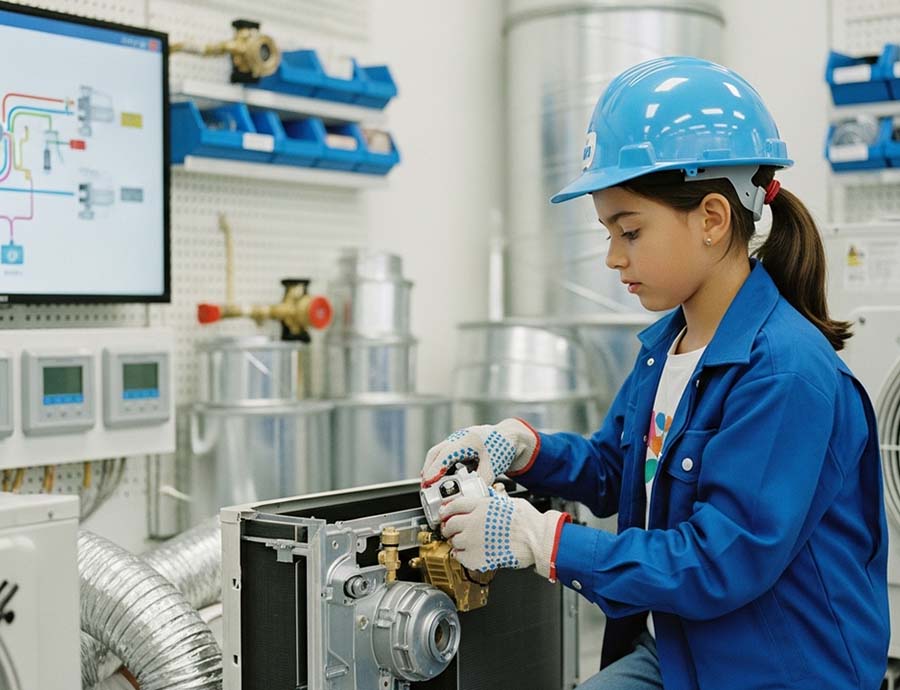
Ever wonder how your house stays warm in winter and cool in summer? HVAC technicians make that happen! HVAC stands for Heating, Ventilation, and Air Conditioning. These skilled workers install, repair, and maintain the systems that keep homes, schools, stores, and hospitals at just the right temperature.
Imagine being the person who helps families stay warm during a blizzard or cool during a heat wave. HVAC technicians use tools, solve problems, and work with their hands every day. They might crawl into attics, work on rooftops, or figure out why a furnace is making a strange noise. If you like building things, solving puzzles, and helping people feel comfortable in their homes, you might love being an HVAC technician!
You Might Love This If...
Skills That Follow You Everywhere
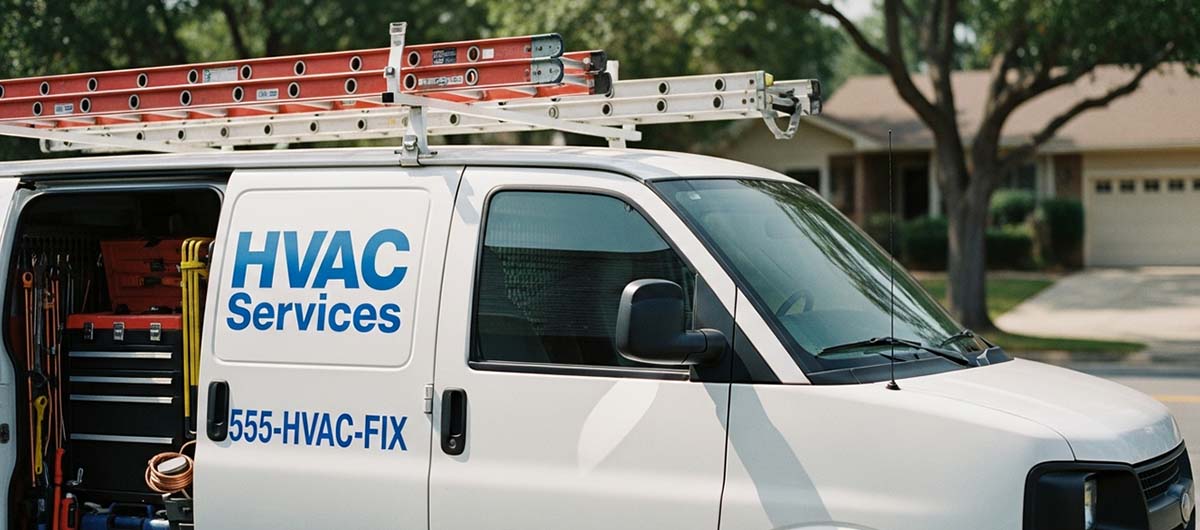
Being an HVAC technician helps you develop important skills that are useful in many different careers, such as problem-solving, communication, and adaptability. Technicians learn how to diagnose complex issues systematically, explain technical concepts to customers clearly, and adjust their approach when unexpected challenges arise. These skills are especially important in an HVAC technician's everyday work, where troubleshooting equipment, working with homeowners, and handling varied job sites all play a big role.
Adaptability
An HVAC technician uses adaptability by adjusting to different work environments, equipment types, and unexpected challenges throughout each day. No two service calls are exactly alike: one might involve a cramped attic space, another a rooftop unit, and another a complex commercial system the technician has never seen before. Technicians learn to think on their feet, adjust their approach based on what they find, and stay calm when problems are more complicated than expected.
Problem-Solving
An HVAC technician uses problem-solving by systematically diagnosing why a system is not working correctly and determining the best way to fix it. When a furnace will not heat or an air conditioner is making strange noises, technicians use their knowledge, diagnostic tools, and logical reasoning to trace the issue back to its source. This process of testing possibilities, ruling out causes, and finding solutions is at the heart of HVAC work and builds skills that transfer to many other technical fields.
Communication
An HVAC technician uses communication by explaining technical problems and repair options to customers in ways they can understand. Technicians must listen carefully to what customers describe, ask the right questions to gather information, and then clearly explain what is wrong and what it will take to fix it. Good communication builds trust with customers and helps them make informed decisions about their heating and cooling systems.
Explore more resources for a future HVAC Technician

Alice H. Parker and the Furnace (21st Century Junior Library: Women Innovators)
Loh-Hagan, Virginia
Why We Picked It
Career Connection
HVAC technicians install and service the centralized heating systems that Parker's 1919 patent inspired, and her story connects young readers to the innovation and determination behind the technology they will one day maintain.

Cool: How Air Conditioning Changed Everything
Basile, Salvatore
Why We Picked It
Career Connection
HVAC technicians install and maintain the climate control systems at the center of this book's story, and understanding how profoundly those systems have reshaped human life gives the career a historical and social weight that goes well beyond a service call.
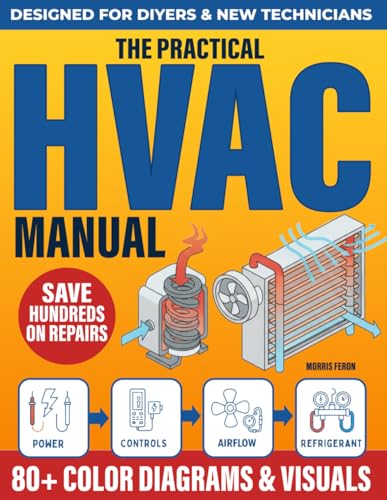
The Practical HVAC Manual: A Step-By-Step Illustrated Guide To Diagnose, Repair & Maintain Any System Without Confusion, Guesswork, Or Costly Technician Fees
Feron, Morris
Why We Picked It
Career Connection
HVAC technicians diagnose system failures and perform hands-on repairs every day, and this guide's real-world diagnostic approach mirrors the troubleshooting process technicians actually use on the job, from identifying the fault to carrying out the fix.