
Did You Know?
A single autonomous vehicle contains over 100 million lines of code, more than some entire operating systems!
The Numbers Behind the Career
There were about 17,400 jobs for robotics engineers in the U.S. in 2024.
The 2024 median annual salary for robotics engineers was $109,650.
About 1,400 robotics engineer job openings are projected annually over the next decade.
Where This Career Is Headed
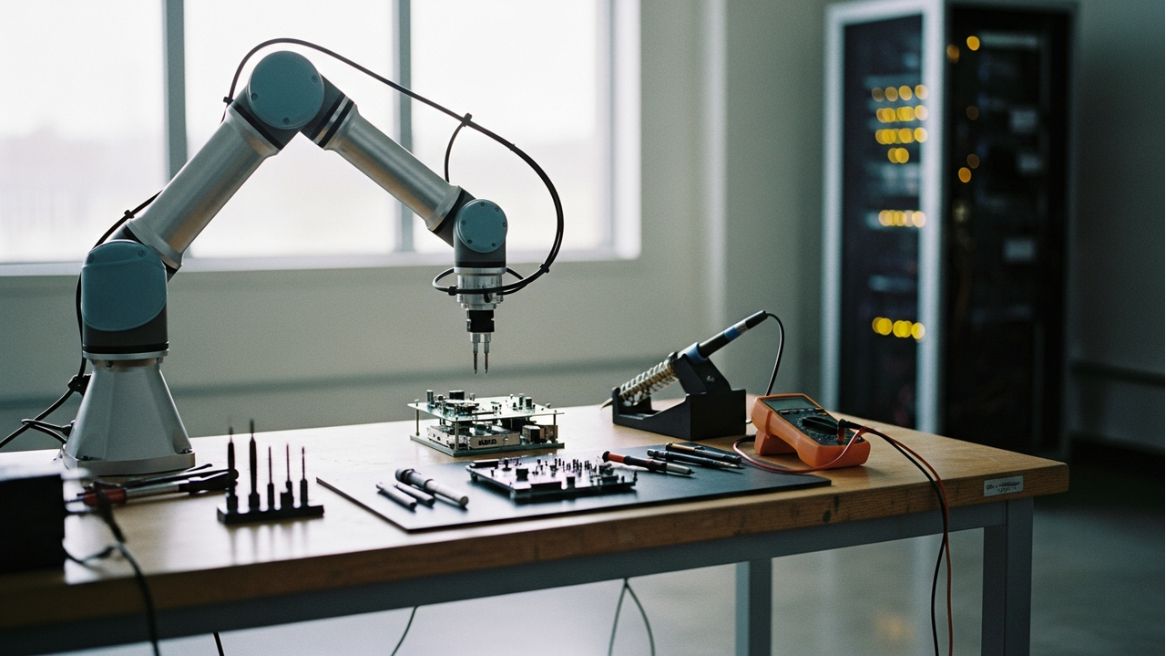
Robotics engineering continues to advance as artificial intelligence, machine learning, and sensor technologies become more sophisticated and accessible. Engineers are developing robots that can work safely alongside humans, adapt to new environments, and learn from experience. Applications are expanding beyond traditional manufacturing into healthcare, agriculture, space exploration, and personal assistance. There is also a growing focus on making robotic systems more affordable, sustainable, and accessible across different industries and communities.

Advances in artificial intelligence and machine learning will enable engineers to create robots that can learn, adapt, and make complex decisions independently.
Integration of robots into healthcare, eldercare, and rehabilitation will create new opportunities to improve quality of life and support human well-being.
Space exploration and extreme environment robotics will expand as engineers develop systems for Mars missions, deep-sea research, and disaster response.
Collaborative robots (cobots) designed to work safely with humans will transform manufacturing, logistics, and service industries.
Education & Certification
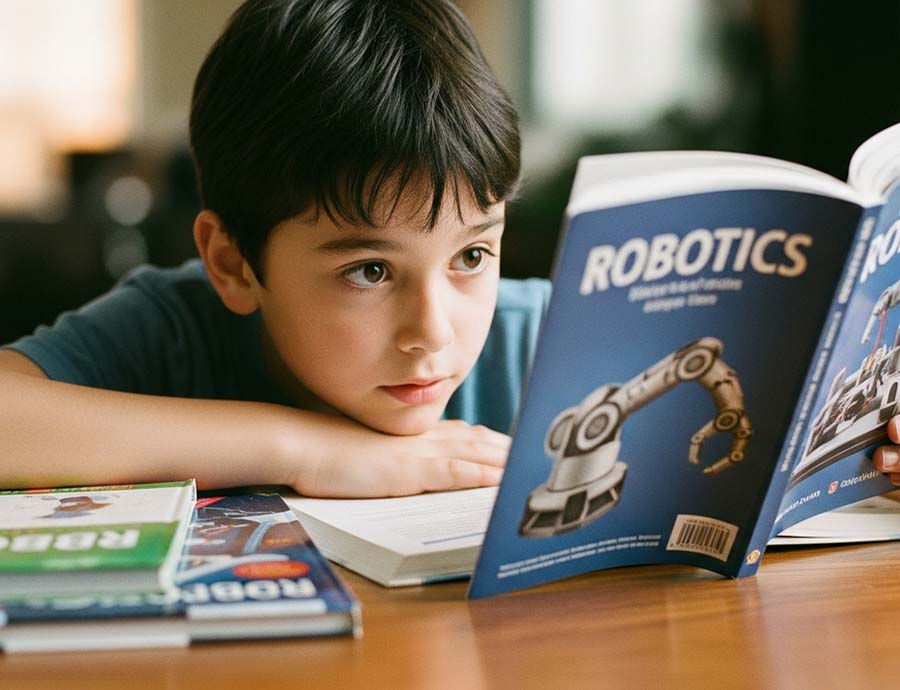
Robotics engineering typically requires a bachelor's degree in robotics engineering, mechanical engineering, electrical engineering, computer science, or related fields. Coursework includes mathematics, physics, programming, control systems, and design principles. Many engineers pursue graduate degrees to specialize in areas like artificial intelligence, computer vision, or human-robot interaction. Hands-on experience through internships, research projects, and robotics competitions is highly valued by employers.
Professional development continues throughout a robotics engineer's career through workshops, conferences, and certification programs. Organizations like IEEE and the Robotics Industries Association offer specialized training and credentials. Many engineers also pursue training in emerging technologies such as machine learning frameworks, new programming languages, or advanced manufacturing techniques to stay current with industry developments.
To Prepare…
Take classes in mathematics, physics, computer science, and engineering to build foundational knowledge for robotic systems design.
Participate in robotics clubs, competitions, or maker spaces to gain hands-on experience building and programming robots.
Learn programming languages commonly used in robotics, such as Python, C++, or ROS (Robot Operating System).
Spotlight: Explore the Life of a Robotics Engineer



Explore more resources for a future Robotics Engineer

Bots! Robotics Engineering: with Hands-On Makerspace Activities (Build It Yourself)
Ceceri, Kathy
Why We Picked It
Career Connection
Robotics engineers design the systems, write the code, and test the hardware that make robots actually work, and this book gives young readers both the conceptual background and the hands-on practice that are the dual foundations of any robotics career.
Learn Robotics with Raspberry Pi: Build and Code Your Own Moving, Sensing, Thinking Robots
Timmons-Brown, Matt
Why We Picked It
Career Connection
Robotics engineers integrate hardware and software into systems that sense the world and respond to it, and building a Raspberry Pi robot from scratch gives learners a direct, firsthand experience of exactly that integration process.

Robotics: Everything You Need to Know About Robotics from Beginner to Expert
Mckinnon, Peter
Why We Picked It
Career Connection
Robotics engineers need a working knowledge of both the history and the hardware that define their field, and this guide's breadth across the full landscape of robotics gives aspiring engineers the foundational understanding they will build their technical careers on.