
Did You Know?
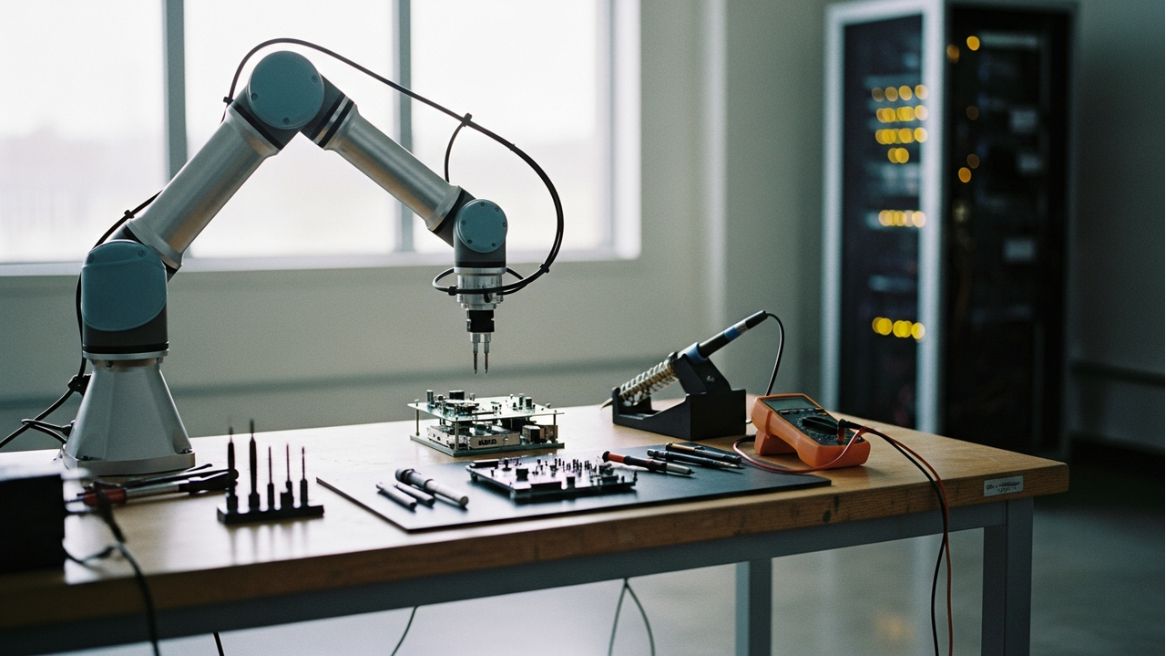
A single autonomous vehicle contains over 100 million lines of code, more than some entire operating systems!
How to Get Started
Getting started in robotics engineering begins with curiosity about how machines work, experimenting with building and programming, and understanding the connection between engineering and problem-solving. Playing with construction toys, trying basic programming, and watching how robots move and respond helps build foundational thinking. Creativity, persistence, and a willingness to learn from mistakes are the first steps toward becoming a robotics engineer.
Explore the Basics
Learning about robotics engineering can start by watching how robots move, sense their environment, and perform tasks. Playing with programmable toys or simple robot kits helps children understand basic concepts like sensors, motors, and commands. Talking about robots in everyday life, from vacuum cleaners to space explorers, builds excitement and understanding of how engineering solves problems.
Try It Out
Build simple machines using household materials like cardboard, rubber bands, and small motors from old toys. Try basic programming with free visual programming languages like Scratch or ScratchJr. Create "robots" from art materials and imagine what tasks they could perform and how they would sense the world around them.
Join the Community
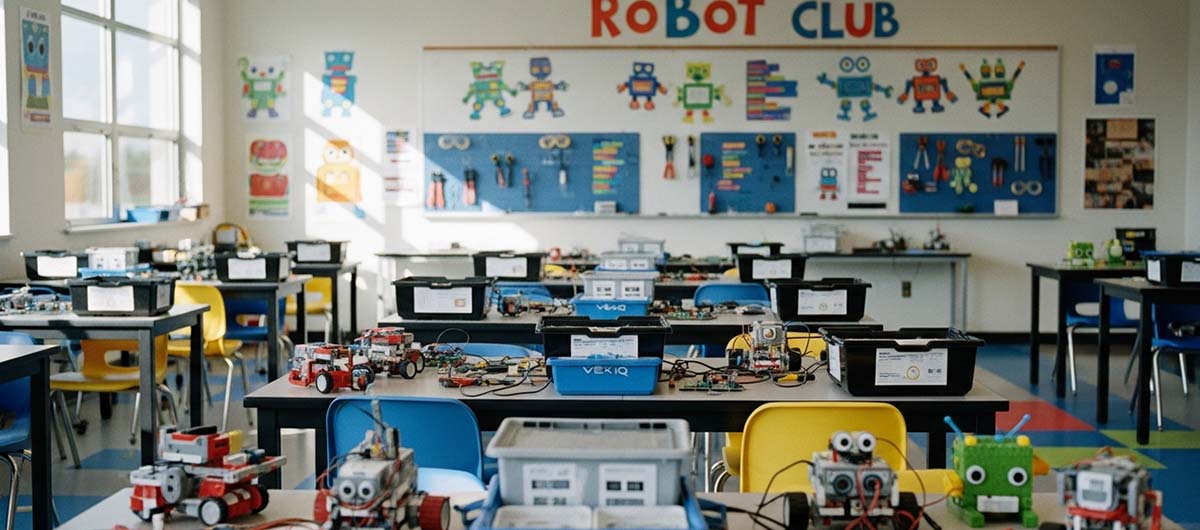
Library maker spaces, community centers, or school robotics clubs often provide access to beginner robot kits and programming tools. FIRST LEGO League Jr. teams and local engineering events offer chances to see robots in action. Online videos and virtual robot simulations allow exploration from home.
How to Become a Robotics Engineer
Explore more resources for a future Robotics Engineer

Makeblock mBot Robot Kit, Robotics for Kids Ages 8-12 Learn to Code with Scratch & Arduino, STEM Toys Science Kits for Kids Age 8-12 Boys and Girls Age 8+
Why We Picked It
Career Connection
Robotics engineers write code that controls physical machines, and nothing makes that connection more concrete than building a robot, writing a program, and watching the machine do exactly what the code instructs it to do.

Robotics: Everything You Need to Know About Robotics from Beginner to Expert
Mckinnon, Peter
Why We Picked It
Career Connection
Robotics engineers need a working knowledge of both the history and the hardware that define their field, and this guide's breadth across the full landscape of robotics gives aspiring engineers the foundational understanding they will build their technical careers on.

Bots! Robotics Engineering: with Hands-On Makerspace Activities (Build It Yourself)
Ceceri, Kathy
Why We Picked It
Career Connection
Robotics engineers design the systems, write the code, and test the hardware that make robots actually work, and this book gives young readers both the conceptual background and the hands-on practice that are the dual foundations of any robotics career.