
Did You Know?
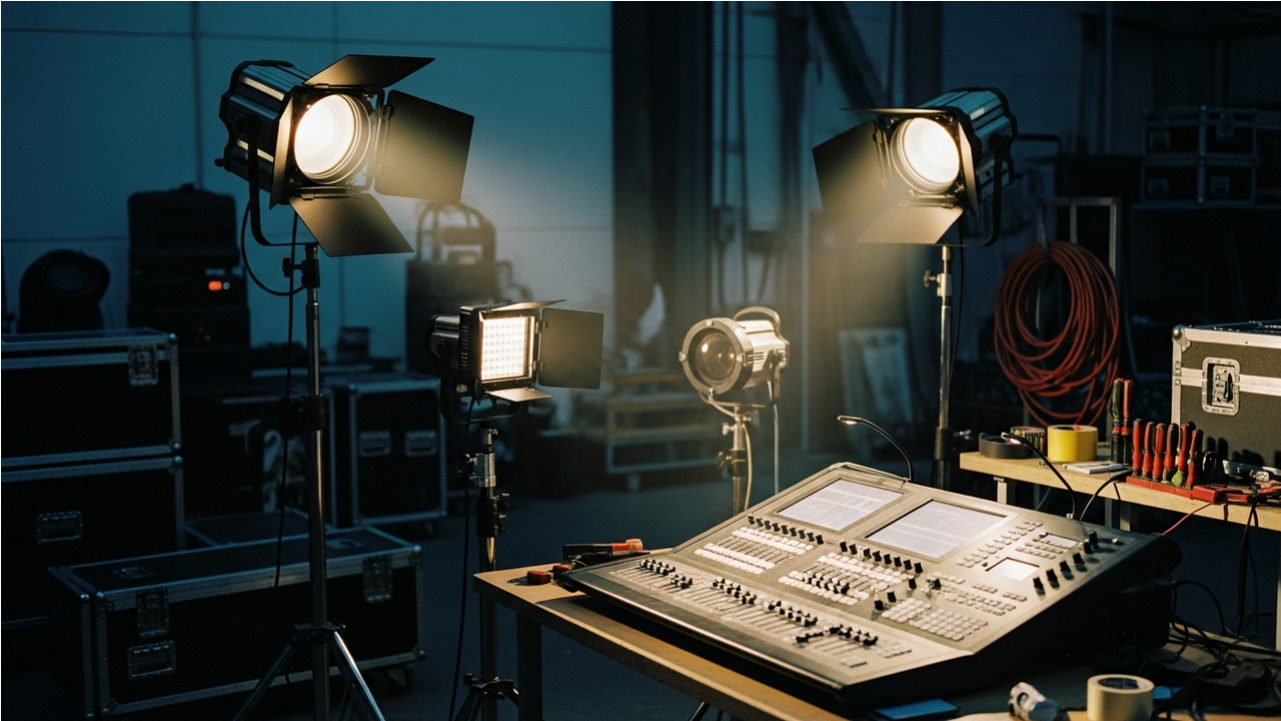
A gobo is a small metal or glass disc with a pattern cut into it that lighting technicians place inside a spotlight to project shapes onto the stage. A single gobo can turn a bare floor into a moonlit forest, a stained-glass window, or a city skyline, all without building any scenery.
The Numbers Behind the Career
The median annual salary for lighting technicians in the U.S. in 2024 was $60,550.
There were about 12,100 lighting technicians working in the U.S. in 2024.
Due to technological advances, employment opportunities for this career are projected to remain flat and even dip slightly.
Where This Career Is Headed
The lighting industry is experiencing a major technological shift as LED technology, digital control systems, and automation transform the tools and methods used by lighting technicians daily. Productions are becoming more technologically advanced, combining traditional theatrical lighting with video projection, pixel mapping, and immersive audience experiences. Technicians who have strong foundational skills in electrical systems and rigging, along with fluency in modern digital control platforms and LED technology, will find the best opportunities in theater, live events, film, television, and architectural lighting.
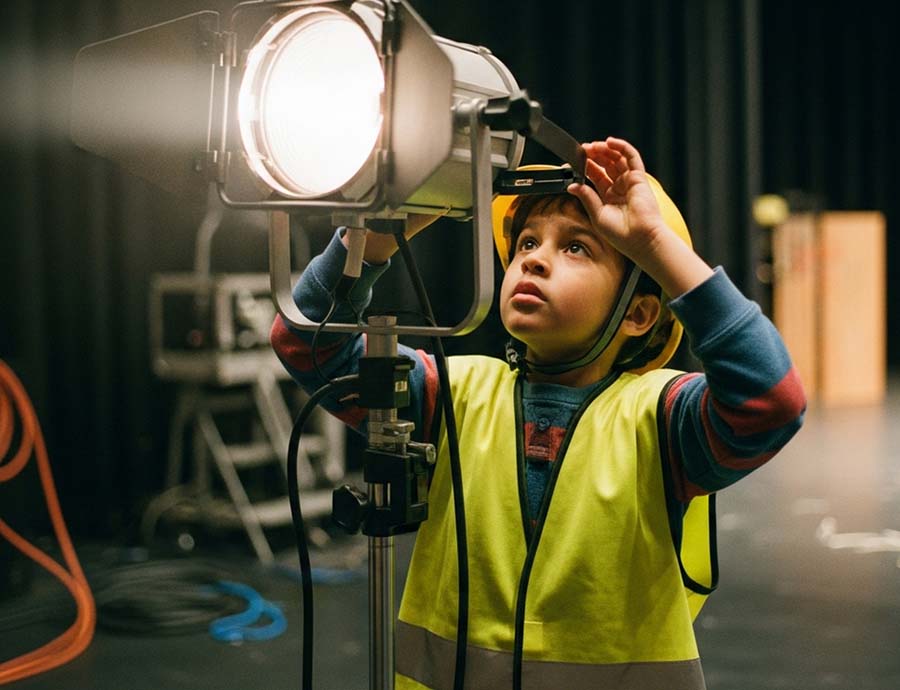
LED and intelligent lighting systems: The transition from conventional incandescent and discharge fixtures to LED and automated intelligent lighting is accelerating across all sectors of the industry. Technicians who understand how to program, maintain, and troubleshoot these complex multi-parameter fixtures are increasingly in demand as venues, production companies, and rental houses upgrade their inventories.
Live event and concert touring: The global live entertainment industry continues to grow, with arena tours, music festivals, and corporate events investing heavily in elaborate lighting and visual production. Touring lighting technicians who can load in, program, and strike complex rigs efficiently in a different city every night are highly valued.
Film and television production: The expansion of streaming platforms is driving sustained demand for skilled lighting technicians in film and television production. Set lighting requires a distinct skill set focused on color temperature management, continuity, and working closely with directors of photography.
Education & Certification
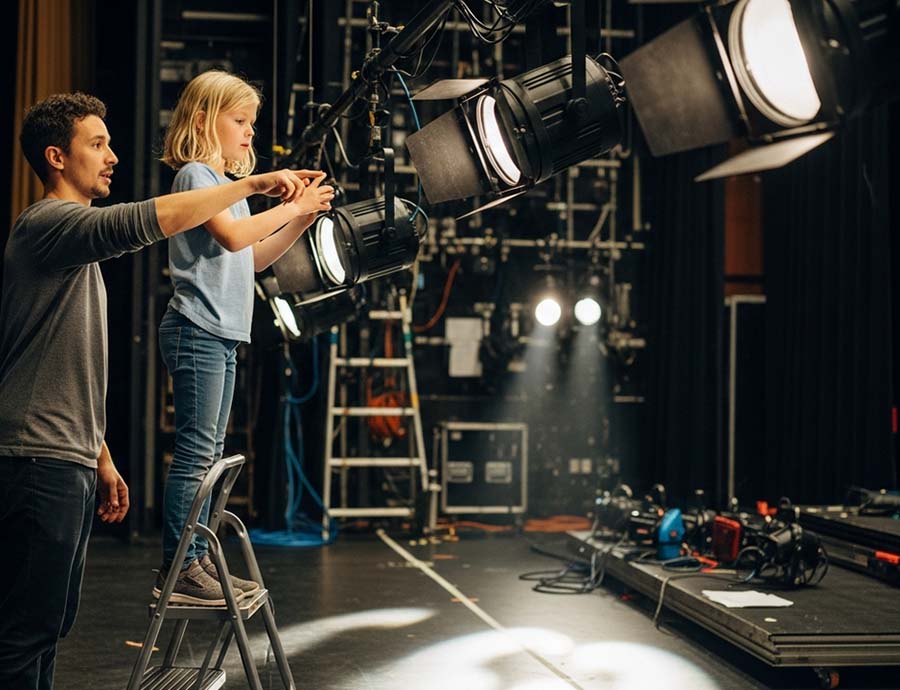
Lighting technicians enter the field through various pathways: The Bureau of Labor Statistics lists postsecondary nondegree training as a common entry point, but routes range from high school technical theater programs and community college certificates to bachelor’s degrees in theater technology or entertainment engineering. Many technicians build their skills through hands-on experience as stagehands, apprentices, or volunteers before specializing in lighting. Union membership through the International Alliance of Theatrical Stage Employees (IATSE) is common in professional theater, film, and touring, and many IATSE locals offer structured apprenticeship programs that combine on-the-job training with classroom instruction in electrical theory, rigging, and safety.
Professional certifications can strengthen a technician’s credentials and open doors to higher-level positions. The Entertainment Technician Certification Program (ETCP) offers nationally recognized certifications in entertainment electrician and rigging categories. OSHA safety training, first aid certification, and aerial lift or fall protection credentials are also valued by employers. Regardless of formal education, the most important qualifications in this field are practical competence, reliability, and a willingness to learn. Technicians who combine strong hands-on skills with knowledge of electrical theory, digital control systems, and safety protocols are well-positioned for long-term career growth.
To Prepare...
Get involved in your school’s theater or AV program: If your school has a drama department, volunteer for the technical crew. Hands-on experience hanging lights, running a lighting board, and working backstage during productions is the fastest way to learn the fundamentals. If your school does not have a theater program, look for community theaters or houses of worship that need help with their lighting.
Learn basic electrical and safety principles: Lighting technicians work with electrical systems every day. Understanding voltage, amperage, wattage, and circuit safety is essential. Take any available courses in electronics, physics, or shop that cover these fundamentals. Learn what a multimeter does and how to use one safely.
Build relationships in your local theater community: Attend shows, introduce yourself to the technical staff, and ask if you can observe or help during load-ins. Professional lighting technicians are often generous mentors to young people who show up on time, work hard, and ask good questions. Connections made early in your career can lead directly to apprenticeships and job opportunities.
Spotlight: Explore the Life of a Lighting Technician
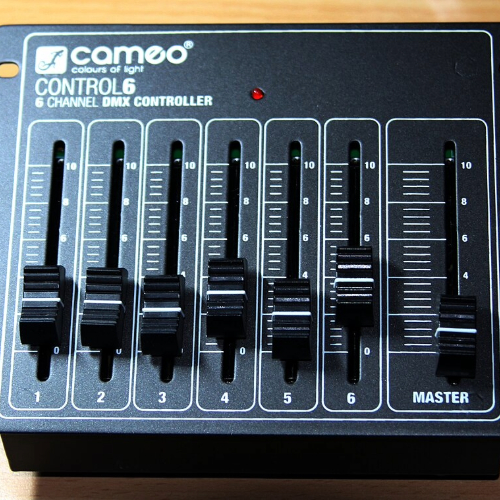
DMX512: The Universal Language of Light
Learn More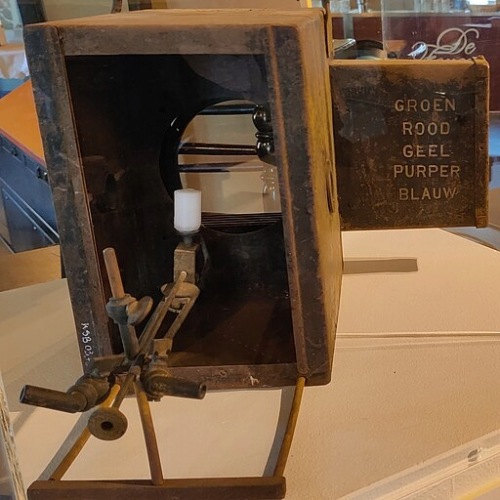
Limelight and the Birth of the Followspot
Learn More
Jean Rosenthal
Learn MoreExplore more resources for a future Lighting Technician

A Practical Guide to Stage Lighting
Shelley, Steven Louis
Why We Picked It
Career Connection
Lighting technicians follow a precise process to prepare, program, and execute lighting for every production, and this guide introduces that complete professional workflow, the same sequence every technician learns on the path to working in the industry.

Snap Circuits Light Electronics Exploration Kit | Over 175 Exciting STEM Projects | Full Color Project Manual | 55+ Snap Circuits Parts | STEM Educational Toys for Kids 8+
Why We Picked It
Career Connection
Lighting technicians understand how electricity powers every fixture on a stage, and experimenting with circuits, switches, and light sources through hands-on projects builds the electrical intuition that professional lighting work depends on.

The Magic of Light: The Craft and Career of Jean Rosenthal, Pioneer in Lighting for the Modern Stage
Rosenthal, Jean | Wertenbaker, Lael
Why We Picked It
Career Connection
Lighting technicians execute the designs that create atmosphere, guide attention, and shape how an audience experiences a performance, and Rosenthal's career shows what that craft looks like when it is pursued with full artistic seriousness and ambition.